


Excavation work began Wednesday on moats intended to hold crocodiles around a high-security wing at Ketziot Prison in southern Israel, despite legal questions and strong objections from environmental and wildlife professionals.
Ketziot Prison is located within the Ramat Negev Regional Council, which sent an inspector to examine the work. A council official said the trench was being dug inside the prison around one of its special wings and would extend for about 170 meters.
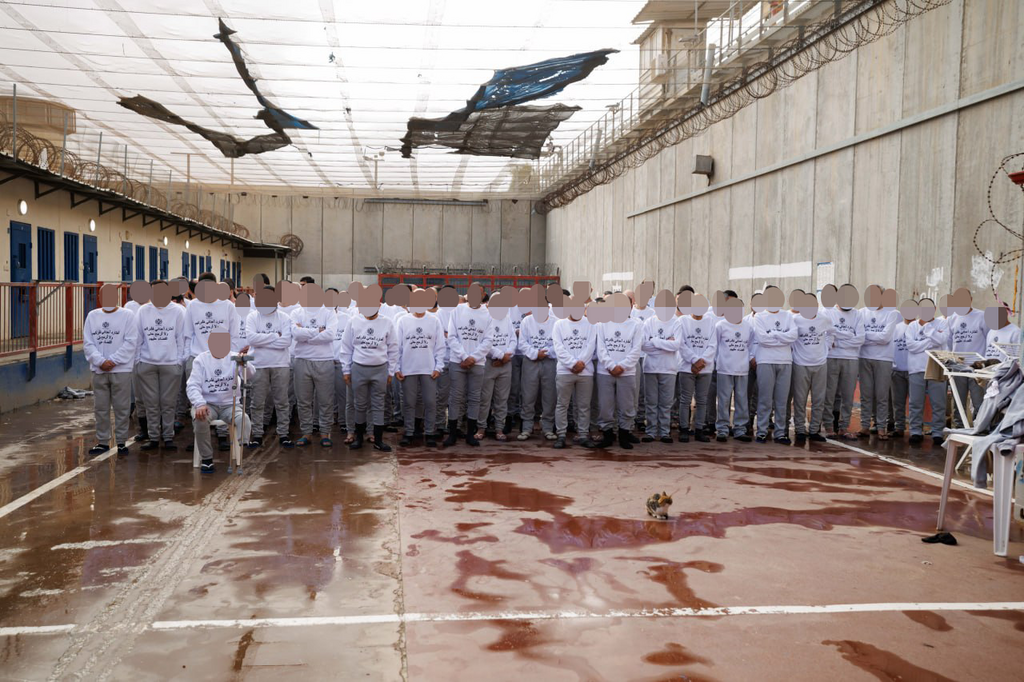
“It cannot be seen from outside the prison,” the official said. “No one knows whether crocodiles will actually be placed there, but preparations are being made.”
The Public Security Ministry confirmed that construction had begun on channels designed for crocodiles. The work follows Environmental Protection Minister Idit Silman’s decision last week to classify the Nile crocodile as a “cultivated wild animal,” despite opposition from professional officials in her ministry.
National Security Minister Itamar Ben-Gvir’s office said the decision had cleared the way for the project.
“Anyone who thought this was a gimmick was wrong,” his office said. “Following Minister Idit Silman’s signature and the official classification of the Nile crocodile as a cultivated wild animal, allowing National Security Minister Itamar Ben-Gvir to establish the crocodile prison, the pilot has officially begun in a wing at Ketziot.”
According to the ministry, the Israel Prison Service has prepared a detailed plan covering the maintenance, supervision and housing of the crocodiles. Prison officers have also received training on guarding the site and handling the animals.
The ministry said 21 million shekels ($6.3 million) had been allocated to build the channels.
“The Israel Prison Service welcomes the move, which will ease the burden on prison officers guarding Nukhba terrorists,” the statement said, referring to members of Hamas’ elite force involved in the October 7 massacre. “Anyone who murdered, massacred and raped and behaved like an animal deserves to be guarded by an animal just like them.”
Israel currently has only a small number of Nile crocodiles at the Hamat Gader wildlife site. More than 200 are kept at the Crocoloco crocodile farm in the Arava desert, but the farm said no one had contacted it about supplying animals for prison security.
The Nature and Parks Authority council held a special meeting Tuesday to discuss the use of crocodiles by the prison service. All those present opposed the proposal.
The project has generated controversy since Silman announced the new classification last Thursday. She acted against the position of her ministry’s legal adviser and the professional opinion of the Nature and Parks Authority.
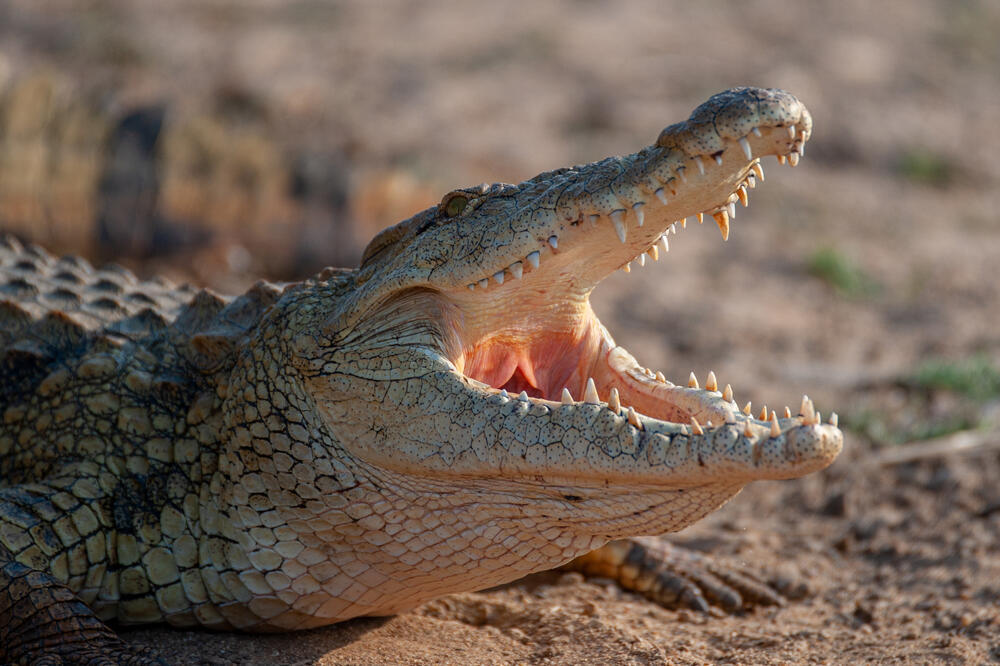
Nile crocodiles
(Photo: Shutterstock)
Experts have warned that there is no precedent or professional basis for using crocodiles to secure prisons and that the proposal may conflict with existing law.
The Nature and Parks Authority said such wildlife could legally be held only for education, research or public information.
“We are supposed to protect them, not have them protect us,” officials told Ben-Gvir and Silman. “That is not the spirit of the law.”
The request to classify the Nile crocodile as a cultivated wild animal was intended to create a legal route for the plan. Crocodiles had previously received that classification so they could be bred commercially for their skins.
That policy was later abandoned after repeated problems, including crocodile escapes and fears that the animals could enter the wild and endanger the public. Former Environmental Protection Minister Gilad Erdan ended the classification following a recommendation from the Nature and Parks Authority’s advisory body.
Silman’s decision effectively revived a dormant provision of the Wildlife Protection Law, but added a new category in practice: a cultivated wild animal used for security purposes.
Under her declaration, the animals could be held by a security body after the environmental protection minister approved the security need. Legal experts argue that such a significant change may require primary legislation rather than a ministerial regulation.