

Pavel Prigozhin was born into a fortune, but the inheritance that made him one of Russia's wealthiest young men came with a potentially lethal complication. His father, Yevgeny Prigozhin, had built a multibillion-dollar empire through his ties to President Vladimir Putin before challenging the Kremlin and dying in a mysterious plane crash. At just 25, Pavel inherited not only his father's businesses but also the Wagner Group, one of the world's most notorious private military organizations.
Three years later, the young heir has accomplished something few expected. Rather than watching the empire collapse or surrendering it entirely to Putin, he has preserved a lucrative foothold in Africa, transforming a much smaller mercenary force into a network of businesses dealing in gold, weapons, pharmaceuticals and alcohol.
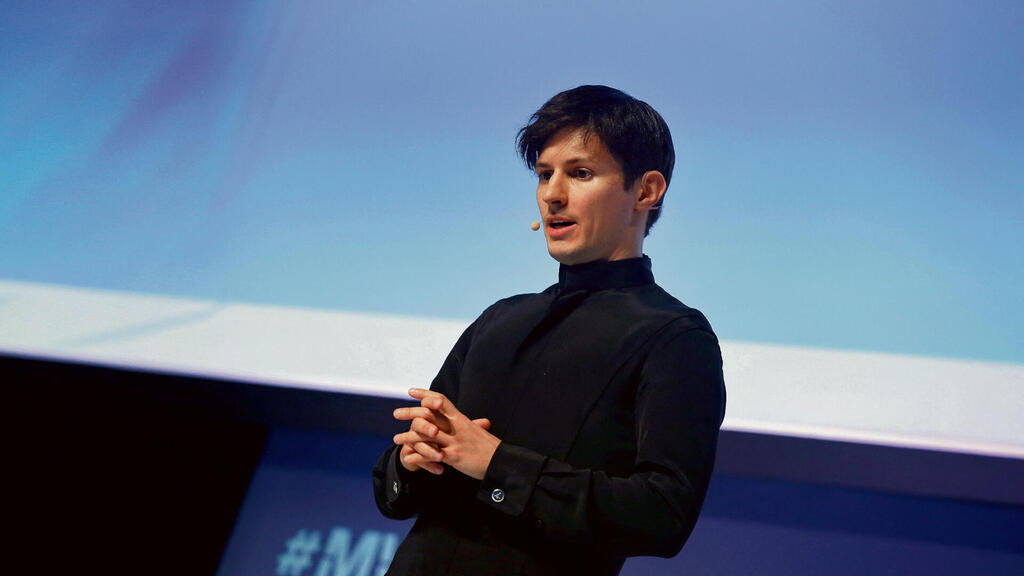
According to an investigation by The Wall Street Journal, some 500 Wagner mercenaries remain under Pavel Prigozhin's command in the Central African Republic, where the family's business interests generate more than $400 million annually, according to estimates by the Global Initiative Against Transnational Organized Crime. The arrangement has created an extraordinary political paradox: The son of a man who mounted an armed rebellion against Putin is now helping maintain Russian influence in Africa, providing Moscow with access to valuable resources, strategic footholds and an extensive propaganda network.
For the Kremlin, the younger Prigozhin appears to have become both an uncomfortable reminder of his father's defiance and a useful business partner.
From Putin's chef to Putin's enemy
Yevgeny Prigozhin built his fortune through a catering company that expanded into investments, real estate and other lucrative ventures. His proximity to Putin earned him the nickname "Putin's chef," while government contracts to feed the Russian military, public schools and state institutions provided the financial foundations of his business empire. Estimates of his wealth varied enormously, ranging from approximately $2 billion to claims by the Anti-Corruption Foundation, associated with the late Russian opposition leader Alexei Navalny, that the value of his Concord business empire and its subsidiaries reached $20 billion.
Determining the true figure was nearly impossible. Prigozhin built much of his wealth through relationships inside the Kremlin, where the financial arrangements linking private businessmen to the Russian state have rarely been transparent. But catering was only the beginning. Prigozhin established the Wagner Group, a private mercenary organization that became a powerful instrument of Russian military and geopolitical influence. Its forces fought in Ukraine and operated in countries across Africa and the Middle East, where military assistance and protection were exchanged for access to valuable natural resources.
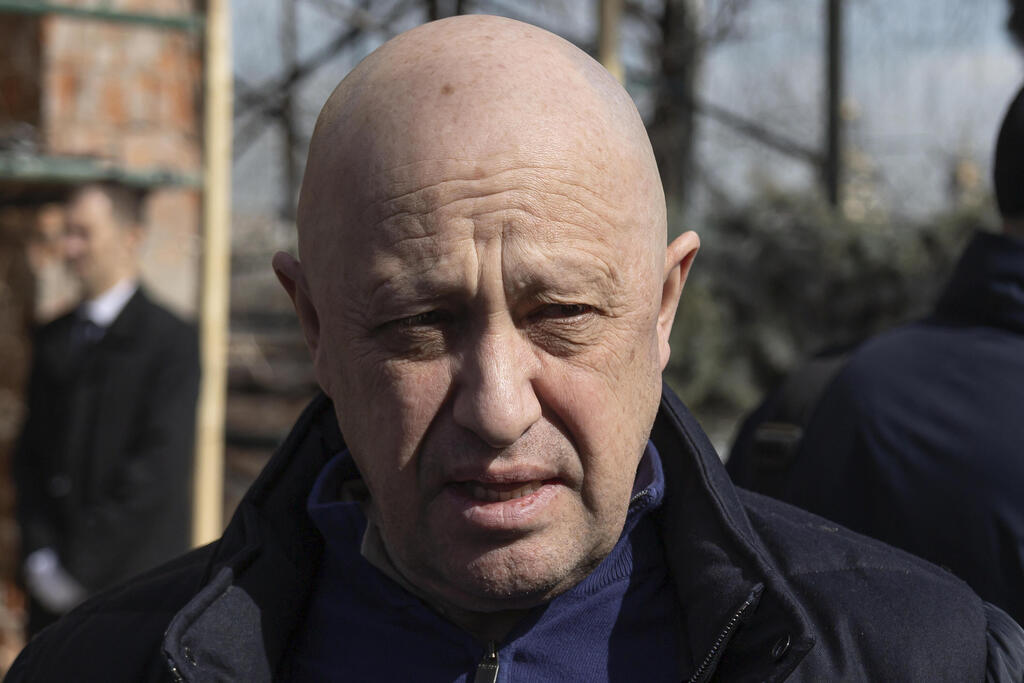
Yevgeny Prigozhin
(Photo: AP)
Gold and diamond mines, oil and gas fields, security contracts and military training arrangements became components of a business model that combined warfare with commercial profit. Prigozhin was both the architect of the empire and its most recognizable commander, but his growing appetite for power eventually brought him into direct confrontation with the Russian leadership.
In June 2023, Prigozhin accused senior Russian military commanders and Defense Ministry officials of misleading both Putin and the public about the reasons for the war in Ukraine and its objectives. Wagner forces then launched an armed rebellion, withdrawing from positions in Ukraine, seizing the Russian military headquarters in Rostov-on-Don and advancing toward Moscow. The mutiny lasted barely a day. Prigozhin called off the march, accepted an arrangement that allowed him to go to Belarus and saw the criminal rebellion case against him dropped.
Two months later, in August 2023, his private aircraft crashed while flying from Moscow toward St. Petersburg, killing Prigozhin, two other senior Wagner figures and everyone else aboard. The circumstances remain disputed. In December 2023, The Wall Street Journal reported, citing Western intelligence officials and a former Russian intelligence officer, that Nikolai Patrushev, one of Putin's closest associates, had orchestrated a plot to kill Prigozhin. The Kremlin rejected the allegations.
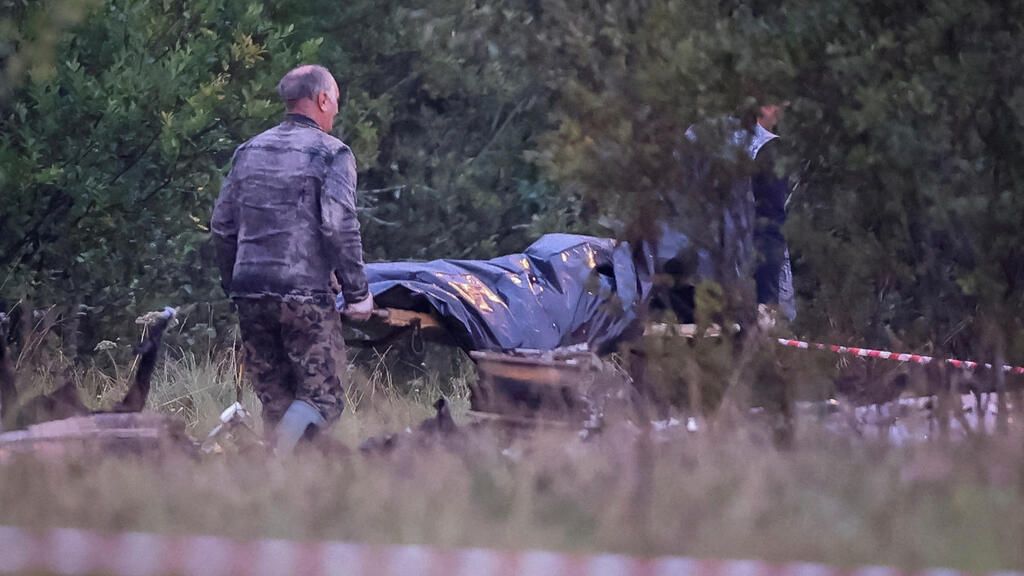
The site of the plane crash in Russia that killed Yevgeny Prigozhin and members of the Wagner Group
(Photo: Reuters / Marina Lystseva)
For Pavel, the crash changed everything. His father had designated him the principal heir to his fortune, placing an enormous commercial empire in the hands of a young man who had spent much of his life enjoying its privileges. But inheriting wealth was one thing. Keeping it when the Kremlin had every reason to distrust the family was another. The conventional expectation was that the young heir would gradually lose control of his father's businesses, particularly the military operations Putin was determined to bring under state authority. Instead, Pavel began building on the portion of the empire he could still preserve.
Africa: the gold mine behind Wagner's survival
Pavel Prigozhin understood that openly confronting Putin in Russia would be extraordinarily dangerous. Africa offered a different path. His father's operations had already established an extensive network of relationships with political leaders, military commanders and local business interests. In return for security services, military operations and political support, Wagner-linked companies had secured access to valuable deposits of gold, diamonds and other resources. The Central African Republic became one of the most important examples of this arrangement.
Despite substantial natural wealth, including deposits of gold, diamonds and uranium, the country remains among the world's poorest. Its president, Faustin-Archange Touadéra, has relied heavily on Russian security assistance to consolidate his hold on power and confront armed rebel groups. According to The Wall Street Journal, approximately 500 Wagner fighters remain in the country. They help protect Touadéra, fight insurgents and operate within a wider network of commercial ventures and security arrangements. Wagner-linked forces have also been accused of extrajudicial killings, intimidation and other abuses.
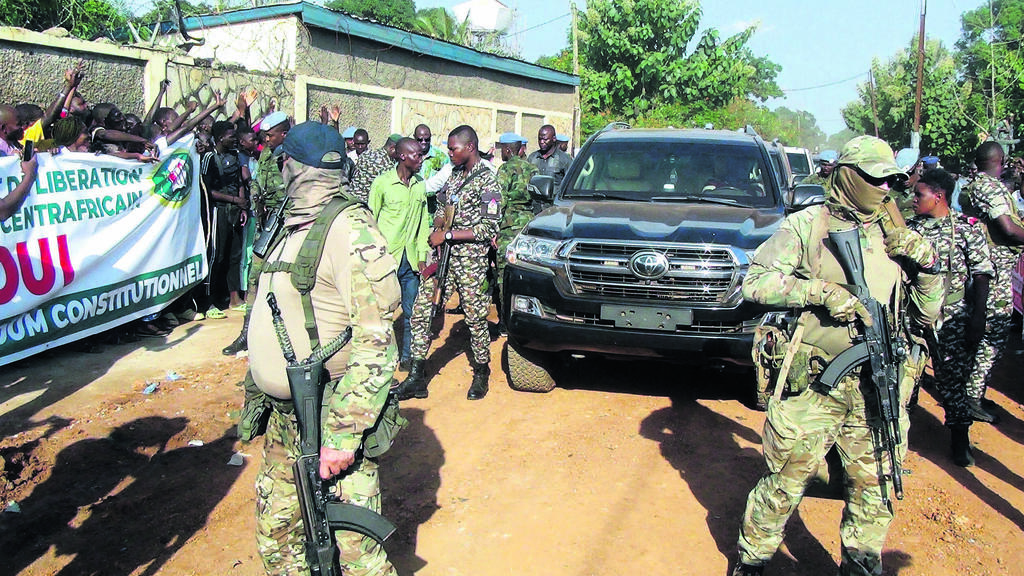
Wagner Group mercenaries in the Central African Republic, where the organization maintains military and commercial operations
(Photo: Leger Kokpakpa/Reuters)
The relationship is mutually advantageous. Touadéra receives military protection, while Prigozhin retains access to resources and influence that would be difficult to obtain through conventional commercial activity. Crucially, Touadéra reportedly intervened with Moscow to prevent Wagner's remaining fighters from being replaced by personnel operating directly under Russia's Defense Ministry. That helped Pavel preserve a degree of independence even as the Kremlin moved to absorb much of his father's former organization.
Wagner personnel were subsequently integrated into parts of the Central African Republic's military, police and intelligence services, according to researchers and officials cited by the Journal. For the younger Prigozhin, that meant more than the survival of his security contracts. It provided access to information, political influence and institutions capable of protecting his growing commercial interests.
The financial rewards have been enormous. According to The Wall Street Journal, Pavel Prigozhin's network controls the country's largest gold deposit, which generates approximately $250 million annually. Local authorities have reportedly assisted with exports by issuing documents identifying shipments as government property, allowing the gold to move through channels that can complicate international scrutiny. Some shipments have reportedly been routed through Belarus, a close Russian ally.
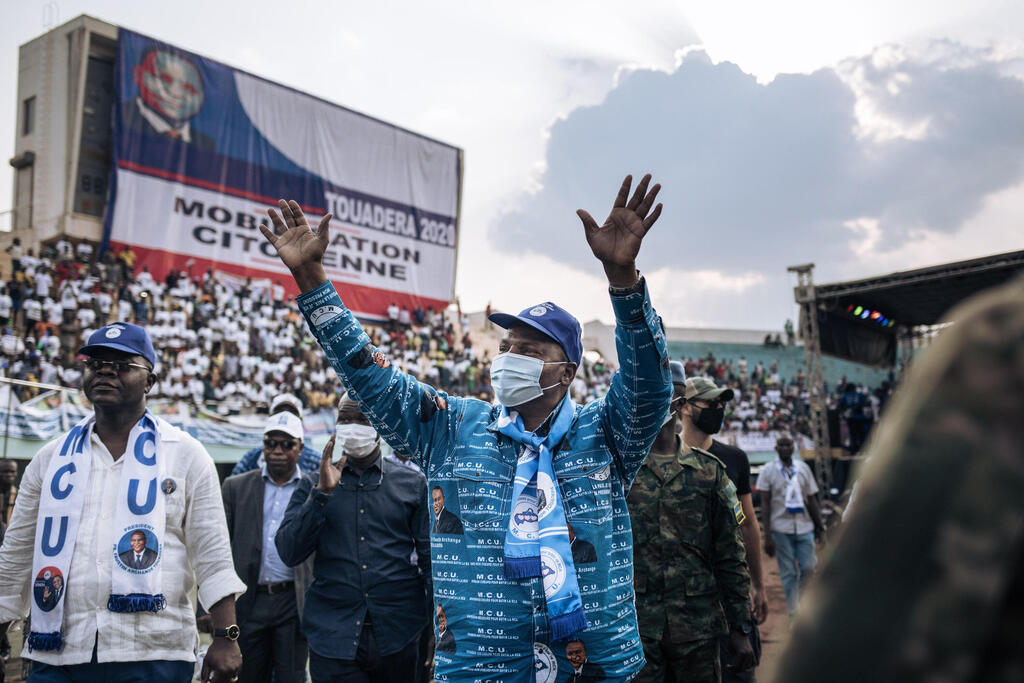
Soldiers guard Central African Republic President Faustin-Archange Touadéra at an election rally
(Photo: AFP)
Gold is only one component of the business. Wagner-linked enterprises are also reportedly involved in weapons trading, the distribution of tramadol, a prescription opioid, and the production and sale of locally marketed vodka and beer. Researchers and regional officials cited by the Journal say Prigozhin has maintained arms-trading operations involving rebel groups in countries including Sudan and Libya. The Global Initiative Against Transnational Organized Crime estimates that the wider Prigozhin family business generates more than $400 million annually through legitimate and illicit activities.
When Pavel travels from his home in St. Petersburg to Bangui, the Central African Republic's capital, he reportedly stays at a luxury hotel that serves as Wagner's de facto headquarters. Armed guards protect the property, and even senior government officials seeking meetings with him must pass through security checks. What remains of Wagner may be dramatically smaller than the force his father once commanded, but in Bangui, its political and economic reach remains considerable.
A propaganda machine that keeps Putin satisfied
Military protection and mineral revenues are not the only reasons the Kremlin has an interest in preserving the younger Prigozhin's African operations. Pavel also controls an information network that helps advance Russian political interests across the continent. Wagner-linked radio and television operations in the Central African Republic promote Russia, praise Putin and Touadéra, and distribute anti-Western narratives. Among the conspiracy theories circulated in the region are allegations that the United States uses African populations to test biological weapons. There is no credible evidence supporting those allegations.
These operations form part of a broader Russian strategy that combines military assistance, economic involvement and information campaigns to expand Moscow's influence while undermining Western countries. Prigozhin's network has also been linked to influence activities in neighboring African states, where resentment of former colonial powers and dissatisfaction with Western-backed security policies have created opportunities for Russia.
Countries including Mali, Niger and Burkina Faso have experienced military coups, with their ruling juntas pursuing closer relations with Moscow. Russia has presented itself as an alternative to France and other Western powers, particularly in countries struggling with jihadist insurgencies. Russian symbols have become increasingly visible in some of these countries. Pro-Russian demonstrations, political messaging and cultural initiatives have helped reinforce Moscow's image as a partner to governments seeking to reduce Western influence. Russian history, culture and language have also reportedly entered educational programs in some schools.
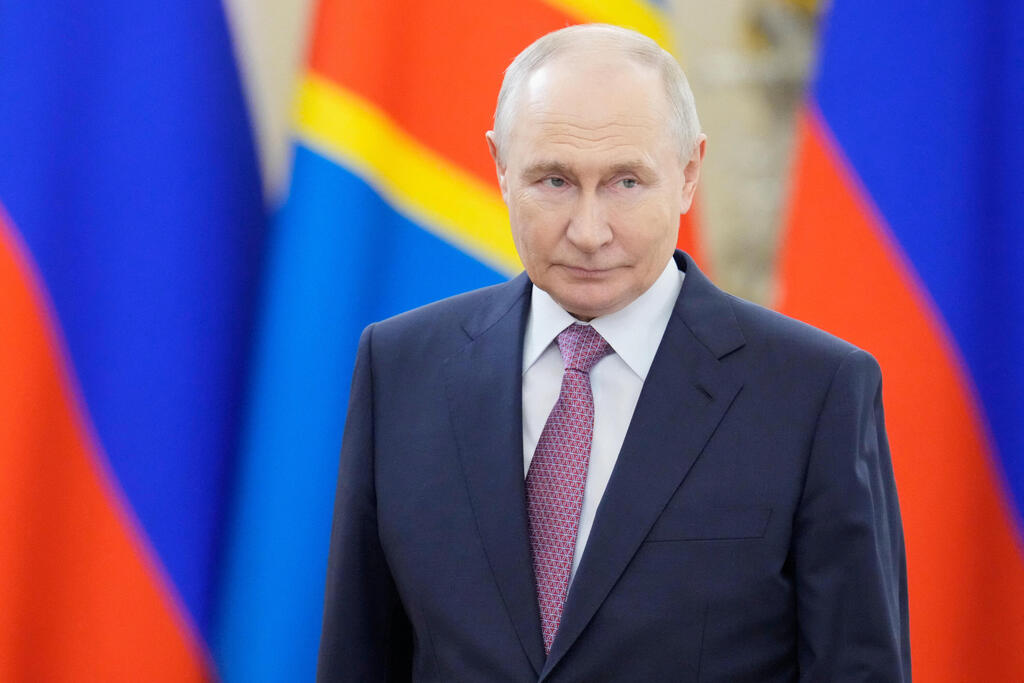
Russian President Vladimir Putin
(Photo: Pavel Bednyakov/Pool/Reuters)
For Putin, the benefits go beyond political symbolism. Since Russia launched its full-scale invasion of Ukraine in February 2022, Western sanctions have restricted portions of its international financial activity. Commercial networks operating through African states offer alternative channels for trade, revenue generation and international influence. That makes Wagner's surviving operations valuable even when their military role is more limited.
A Russian expert quoted by the German newspaper Die Zeit described the relationship between the Kremlin and Wagner as one of mutual dependence. Moscow needs the mercenary network's capabilities and influence, while Wagner needs a working relationship with the Russian state to survive. But the arrangement is complicated by an uncomfortable history. The Kremlin has not forgotten that Pavel's father challenged Putin's authority, while the younger Prigozhin is fully aware of the circumstances surrounding his father's death. For now, their interests appear to overlap.
The playboy who became a businessman
When Pavel Prigozhin inherited his father's fortune at 25, he was widely portrayed as a privileged young playboy whose lifestyle had been financed by a powerful and extremely wealthy family. He had military experience, including service connected to the Russian armed forces and Wagner, but his access to the organization's senior leadership and business network was largely the product of his family connections. Three years later, the picture looks different. The young Prigozhin has emerged as a businessman and negotiator capable of maintaining relationships with political leaders, military commanders and commercial partners across several countries.
The organization he inherited bears little resemblance to the Wagner force his father built at the height of its involvement in Ukraine. Yevgeny Prigozhin commanded a military network that at one point included tens of thousands of fighters, many of them recruited from Russian prisons. The younger Prigozhin's remaining force in the Central African Republic numbers approximately 500 mercenaries. But the reduction in military manpower has not meant a corresponding disappearance of economic influence. Instead of trying to recreate Wagner's former battlefield strength, Pavel has concentrated on preserving profitable operations and securing the political relationships needed to protect them.
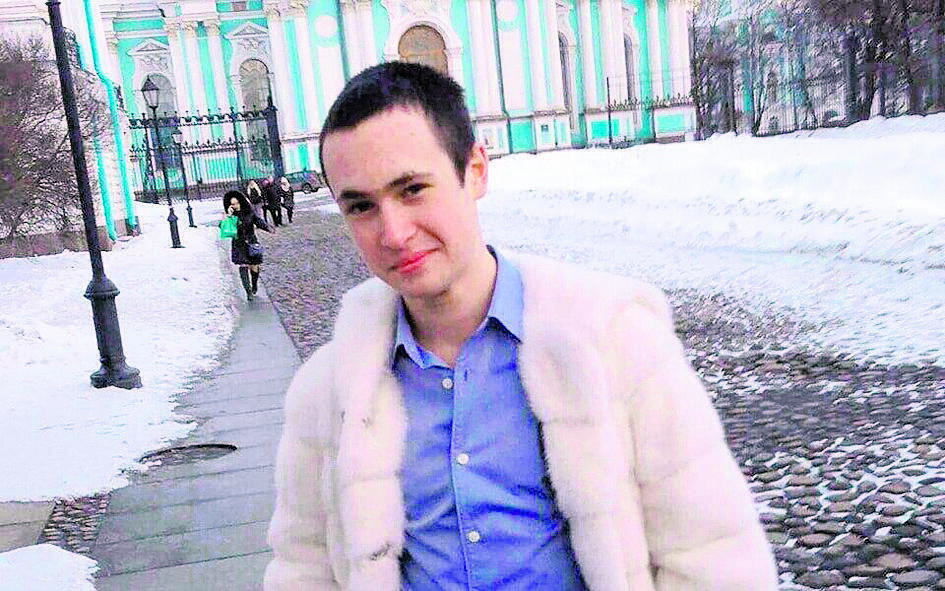
Pavel Prigozhin
The distinction matters. Under his father, Wagner became notorious for brutal battlefield tactics, executions, torture and allegations of war crimes. Its forces played a significant role in Russia's war in Ukraine, but their methods also attracted international condemnation. Pavel has pursued a more commercially focused strategy, emphasizing political agreements, intelligence access and business operations. That does not mean violence has disappeared from the organization. Wagner-linked personnel in Africa continue to face serious allegations of abuses, including killings, kidnappings and attacks on civilians.
Yet the emphasis of the surviving network has changed. Its fighters are no longer primarily part of a vast military campaign in Ukraine. Instead, they help secure the relationships and territory on which lucrative commercial operations depend. That model also benefits Moscow. Rather than eliminating Wagner entirely, Putin has allowed a reduced version of the network to survive alongside the Russian Defense Ministry's own Africa Corps, according to reporting on the organization's restructuring.
The arrangement preserves an established network of influence without restoring the enormous independent military power that made Yevgeny Prigozhin a threat to the Kremlin. For Pavel, it provides a chance to maintain his inheritance while avoiding a direct challenge to the president. His father's extensive contacts in Libya, Syria and other countries also offer potential opportunities for future expansion. Wagner has military experience and longstanding relationships in those countries, although the extent to which Pavel can convert those connections into new business operations remains uncertain.
The inheritance Putin cannot entirely trust
The parallels between father and son extend beyond their commercial ambitions. Both have been involved in networks combining Russian geopolitical interests with private business operations, and both have relied on information campaigns to strengthen Moscow's influence. Before Wagner became internationally notorious, Yevgeny Prigozhin was associated with digital propaganda operations intended to advance Russian interests.
In 2013, the Internet Research Agency was established in St. Petersburg. The organization, which became known as a Russian troll farm, used fake social media accounts, manipulated online discussions and deceptive content to influence public opinion. The agency was later implicated in interference in the 2016 U.S. presidential election. In 2018, U.S. authorities indicted Prigozhin and others over the alleged operation.
The following year after the agency's establishment, Wagner emerged as a private military force, with Prigozhin gradually building it into a major instrument of Russian foreign policy. His involvement in military operations, including those connected to Crimea and the war in Ukraine, brought him growing power and public prominence. But Yevgeny Prigozhin also developed a taste for political influence. He became increasingly outspoken, publicly confronted senior military officials and ultimately challenged the Kremlin itself. The qualities that helped him build his empire eventually contributed to his downfall.
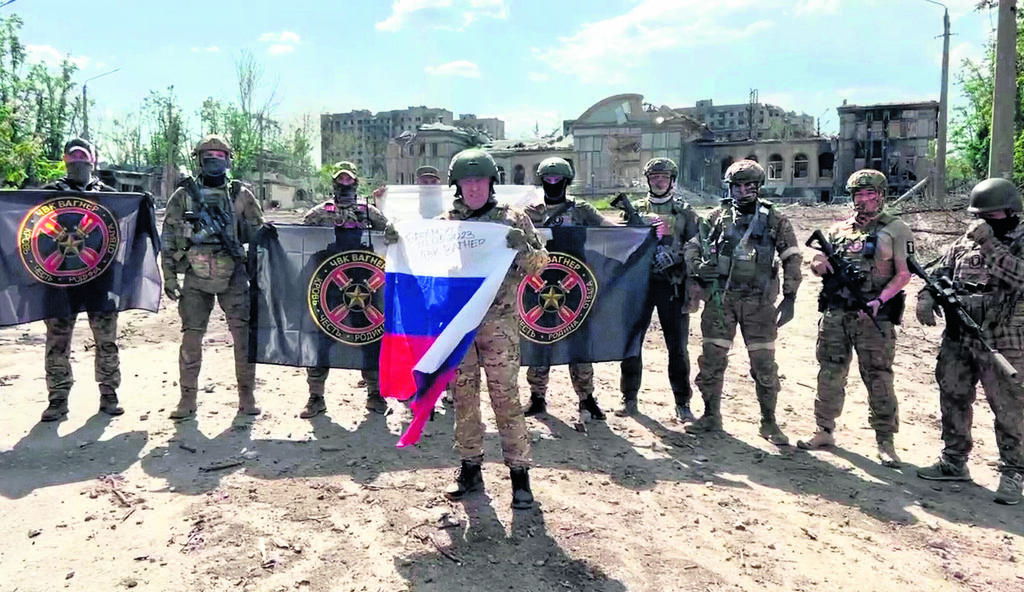
Wagner fighters in Rostov-on-Don during the June 2023 mutiny
(Photo: Telegram channel of Concord group/AFP)
His son appears determined to avoid that path. Unlike his flamboyant father, who increasingly embraced public attention, Pavel remains relatively private. Little is known about his personal life, and he has avoided becoming a highly visible political figure. That discretion may be one of his greatest assets.
Wagner's internal culture also helps explain why the organization survived its founder's death. Maxim Shugaley, a senior political adviser to the elder Prigozhin, once described Wagner in terms that went far beyond conventional employment. "We are essentially a religious group," he said. The comparison reflected the intense loyalty and collective identity cultivated within the organization. Wagner was never merely a collection of soldiers working for salaries. Its members developed a distinct internal culture built around loyalty, military experience and identification with the group. Such institutions do not necessarily disappear when their founder dies.
But Pavel inherited an organization whose continued existence depends on a fundamentally different purpose. Rather than acquiring military power on a scale that could challenge the Russian state, it must produce money, maintain influence and demonstrate its usefulness to the Kremlin. That is also why Putin is unlikely to grant the younger Prigozhin the kind of military independence once enjoyed by his father.
Wagner veterans retain knowledge of Russian military operations, battlefield weaknesses and the internal workings of the country's security establishment. Those connections give the organization value, but they also make it a potential source of concern for the Kremlin. Following Yevgeny Prigozhin's death, competing Russian security interests sought control over elements of Wagner's remaining assets and personnel. Pavel nevertheless managed to preserve a significant portion of the network, particularly in the Central African Republic. His achievement was not to defeat the Kremlin but to persuade it that allowing him to operate could serve Russian interests better than dismantling everything his father built.
Africa was always the real prize
For Yevgeny Prigozhin, Ukraine represented military ambition, patriotism and the opportunity to accumulate political influence. Africa represented something else: the long-term financial future of his business empire. The continent offered precisely the combination on which Wagner's business model depended: weak institutions, valuable natural resources, armed conflicts and governments prepared to exchange economic concessions for military protection.
That model was already evident before his death. In Niger, supporters of military rulers marched with Russian flags and portraits of Prigozhin, celebrating Wagner and Moscow as alternatives to Western involvement. Across other parts of Africa, the organization's combination of military assistance, propaganda and commercial partnerships had secured a presence that would be difficult to replace quickly.
Pavel understood the value of that inheritance. Instead of attempting to restore the vast military organization his father had commanded, he concentrated on the foundations that could survive without it: access to resources, political protection, intelligence networks and lucrative commercial relationships. He has also demonstrated that Wagner's economic operations can continue even when most of its former military strength has disappeared or passed under direct Russian state control.
The question is how long Putin will consider the arrangement useful. For the Kremlin, Wagner's African operations provide money, influence and strategic access without requiring Moscow to manage every aspect of the organization directly. For Pavel Prigozhin, the arrangement offers a way to preserve his father's fortune and influence while avoiding the confrontation that destroyed him.
The younger Prigozhin has inherited an empire built on war, political connections and natural resources. Whether he can keep it will depend not only on his business instincts, but also on his ability to remain useful to the man his father once dared to challenge.