

As talks continue over a potential deal to release hostages held by Hamas, Israel’s insistence on maintaining control over a key corridor in southern Gaza has emerged as the main obstacle to an agreement, despite growing pressure from U.S. President Donald Trump.
The Morag corridor — a 12-kilometer route between Rafah and Khan Younis — was seized by Israeli forces three months ago and has become a focal point of the dispute. Prime Minister Benjamin Netanyahu has declared that the area, now dubbed the “second Philadelphi corridor,” is essential to Israel’s strategy of dividing the Gaza Strip and pressuring Hamas.
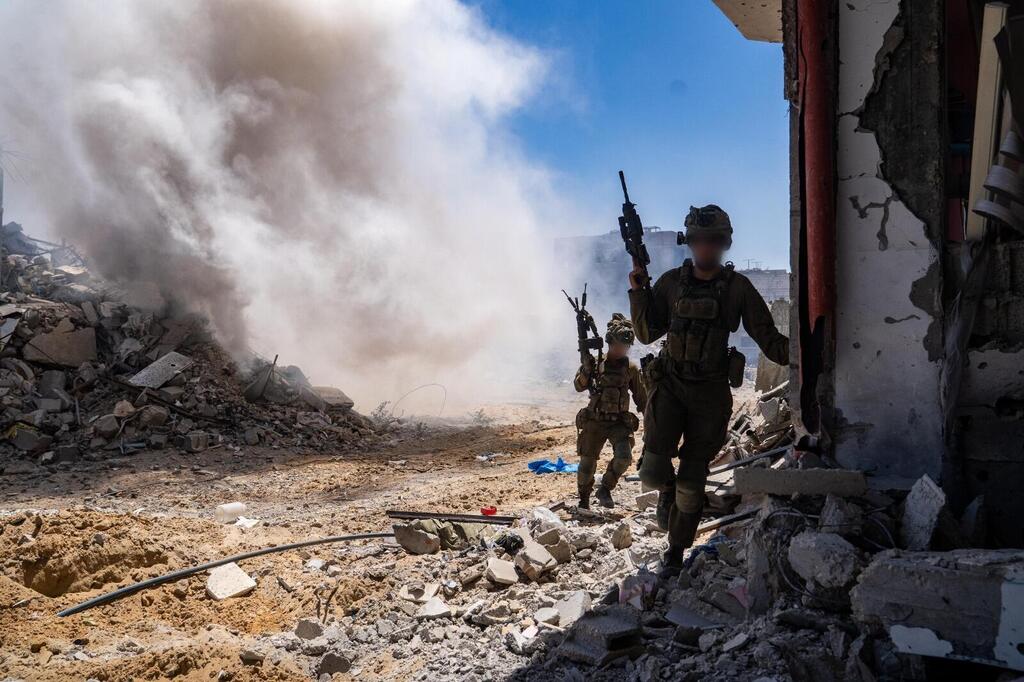
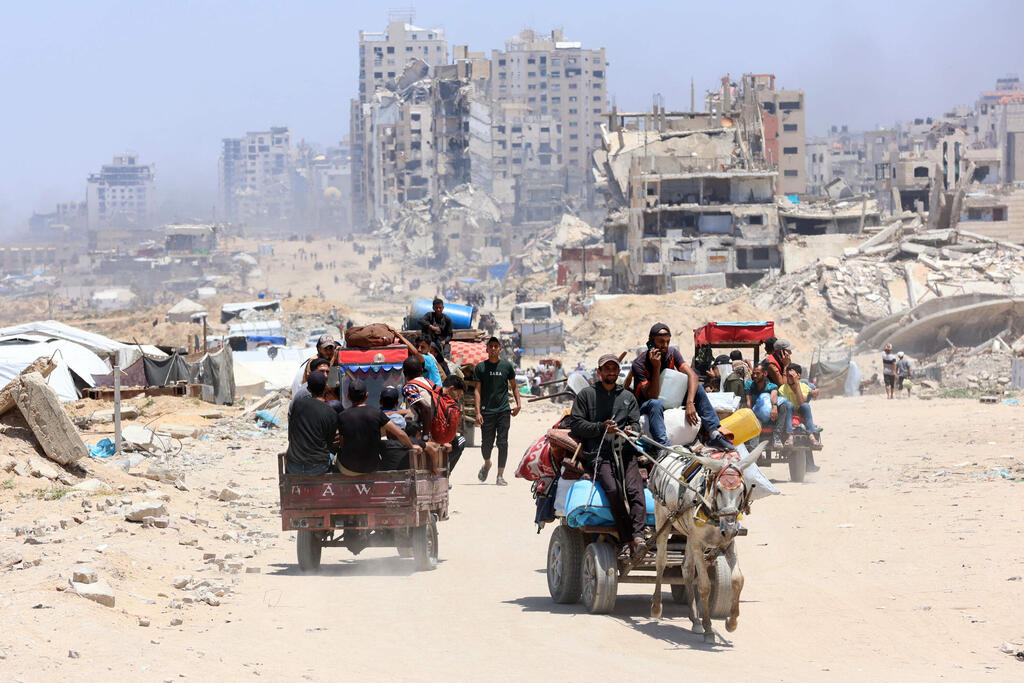
Israel plans to build a “humanitarian city” just south of the corridor on the ruins of Rafah to house displaced Palestinians and isolate them from Hamas operatives. The Israeli government says it will retain military control of the corridor to screen returning civilians and maintain a buffer zone.
Hamas is demanding a full Israeli withdrawal as part of any hostage agreement. The impasse has stalled progress on a framework that would include a 60-day ceasefire, the release of Israeli hostages, and increased humanitarian aid.
“The corridor is critical to our security,” Netanyahu said in a televised statement earlier this year. “It enables us to put greater pressure on Hamas and secure the release of our hostages.”
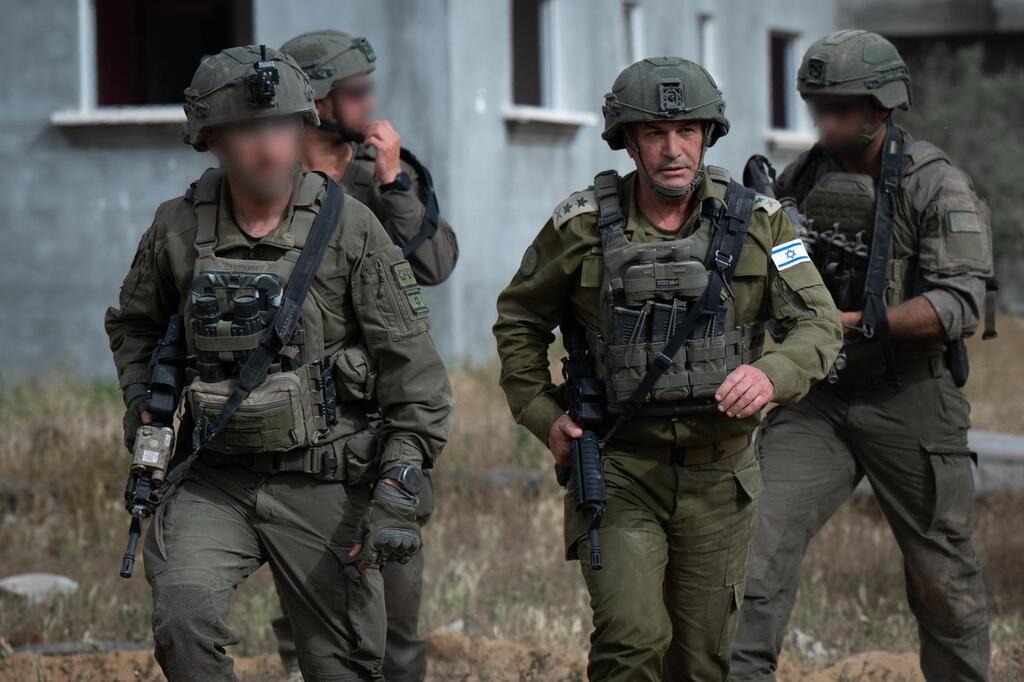
The Israeli military, which captured the corridor in a swift operation with little resistance, now uses it primarily for defensive outposts and food distribution security. Hundreds of Palestinian civilians have been killed in clashes near aid centers, according to the United Nations. The Israel Defense Forces has acknowledged operational challenges.
(Photo: IDF Spokesperson's Unit)
Lt. Gen. Eyal Zamir, Israel’s military chief, has said the primary purpose of advancing into southern Gaza was to pressure Hamas into negotiations. “What will halt our advance is the release of the hostages,” Zamir said. “Their release would allow us to reposition our forces and continue talks.”
Despite Hamas reportedly agreeing to a phased release of hostages under a new Qatari-brokered framework, Israel is refusing to withdraw from the corridor — a stance backed by Defense Minister Israel Katz, who previously said that “all of Rafah will be evacuated and turned into a security zone.”
Critics of the policy see it as a shift from temporary military goals to long-term territorial control. The corridor’s name — drawn from the former Israeli settlement of Morag, evacuated during the 2005 disengagement — has been championed by ministers seeking a return to Gaza, including Itamar Ben-Gvir and Bezalel Smotrich.
Netanyahu previously insisted on holding the original Philadelphi corridor along the Gaza-Egypt border even at the cost of delaying hostage talks, according to Israeli officials. A July 2024 clarification memo, amended at Netanyahu’s request, reaffirmed the corridor’s strategic importance following the deaths of six Israeli hostages in Rafah.
(Photo: AFP)
The dispute echoes a prior deal when Israel partially withdrew from the Nitzarim corridor, allowing around 800,000 Palestinians to return to northern Gaza without screening. Israeli officials estimate that at least 10,000 Hamas fighters also returned during that period.
An Israeli negotiator involved in the current talks said the deadlock remains significant. “At the end of the day, we’re dealing with a terror organization,” the official said. “You cannot predict how they will act.”
Saudi news outlet Al-Hadath reported that Hamas’ key demand is an Israeli pullback from the Morag corridor. Sky News said the presence of Israeli forces is also limiting access for U.S. aid organizations, which may force international NGOs to take over relief efforts.
Get the Ynetnews app on your smartphone: Google Play: https://bit.ly/4eJ37pE | Apple App Store: https://bit.ly/3ZL7iNv
Amid the negotiations, Netanyahu met with President Trump for the second time in less than 24 hours at the White House. Speaking before the meeting, Trump said, “We have to solve this. Gaza is a tragedy. He [Netanyahu] wants to solve it, I want to solve it, and I think the other side wants to solve it too.”
The proposed deal includes the release of 10 living hostages in two phases, the return of the remains of 18 others, the release of Palestinian prisoners, and expanded humanitarian aid to Gaza. Trump is expected to serve as guarantor for follow-up talks aimed at ending the war.
Sky News reported that Trump intends to place “heavy pressure” on Netanyahu to accept the deal and move toward ending the conflict. Palestinian-American businessman Bishara Bahbah, acting as a mediator, reportedly conveyed Trump’s message to Hamas that fighting would not resume after the 60-day ceasefire.