


Blocking normalization, training spokespeople, mobilizing international support and isolating Israel were among the central goals of Hamas’ propaganda apparatus, according to a new study based on documents seized in Gaza.
The research, published by the Meir Amit Intelligence and Terrorism Information Center, examines internal Hamas files captured in the Gaza Strip. It outlines how the terrorist organization planned and operated a broad communications and influence network as an integral part of its struggle against Israel, even before the current war.
One key document, titled “The 2022 Operational Plan of the Islamic Resistance Movement Hamas – Gaza District,” details the work plan of the group’s media department for 2022 to 2025. The plan was approved by the department’s director, Ali al-Amoudi, a close associate of Yahya Sinwar, and offers a rare look at Hamas’ influence strategy.
According to the study, the document was part of a multiyear framework known as “Sword of Jerusalem” and served as a guiding blueprint for Hamas-affiliated media outlets. It includes strategic objectives, operational guidelines, budgets and action plans aimed at shaping discourse in Palestinian, Israeli and international arenas.
At the outset, the plan defines two primary objectives: strengthening the Palestinian narrative internationally and deepening psychological and media warfare against anyone perceived as an adversary of the organization.
The document contains 25 sections outlining media activities, including promoting Hamas and its values, delegitimizing Israel, reinforcing resilience within Gazan society, strengthening Islamic values and reducing what were described as “negative phenomena” that contradict religious identity.
It also calls for psychological operations designed to undermine Israeli society and other rivals, counter normalization efforts, promote comprehensive boycotts and build regional and international networks supportive of the Palestinian cause.
Psychological warfare and paid campaigns
The documents describe the battle over public consciousness as a central front in Hamas’ campaign. Under a project titled “Strengthening media psychological warfare against rivals and enemies,” the group outlined tools aimed at sowing demoralization and weakening Israeli society.
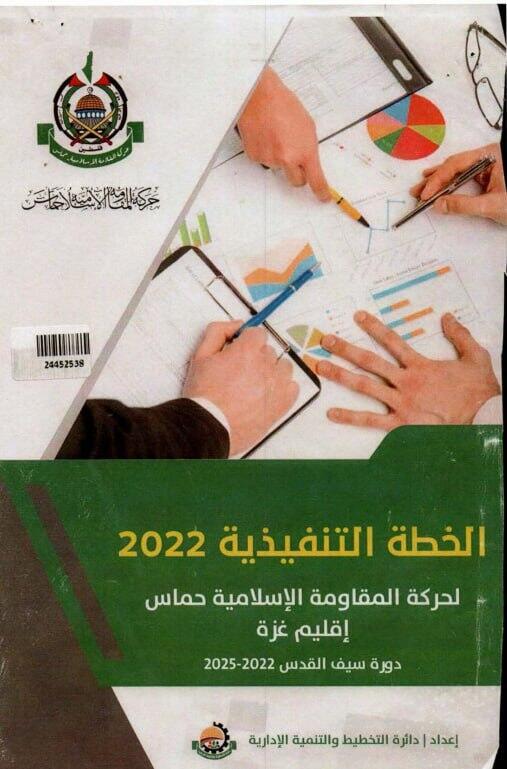
Cover page of Hamas media department’s 2022 work plan
(Photo: From a report by the Intelligence and Terrorism Information Center)
Tactics included the use of modern digital tools, particularly paid advertisements targeted directly at audiences in Israel. Activities also included publishing reports, statements and opinion pieces directed against the “enemy,” producing videos, infographics and cartoons, managing online campaigns and digital storytelling focused on alleged Israeli “failures,” and placing sponsored content in specific geographic areas through social media platforms.
The plan also included a dedicated initiative to expand satirical and comedic production as another tool of psychological warfare, including the creation of cartoons and satire pages online.
In parallel, under a program described as “Immunizing society against Zionist attack tools,” the department planned to produce a short film highlighting what it termed Israeli military defeats in Gaza.
The study concludes that the combination of traditional propaganda, modern digital engagement and targeted paid advertising reflects a multilayered strategy designed to penetrate Israeli discourse on several levels simultaneously.
Focus on normalization
The struggle against normalization with Israel was identified as a central front in Hamas’ media strategy. The plan calls for an aggressive campaign rejecting any form of normalization, promoting boycotts and collecting information on individuals and entities accused of maintaining ties with Israel in order to portray them negatively.
Under a section titled “Confronting normalization projects and activating a comprehensive boycott of the enemy,” the document calls for recruiting writers and journalists to oppose normalization, urging Arab and Muslim media figures to declare boycotts, organizing digital campaigns against normalization efforts and preparing “blacklists” of those accused of normalizing ties, alongside “honor lists” of those who oppose it.
International arena and internal media network
Another significant effort focused on shaping a narrative tailored to international audiences. A section titled “Strengthening the Palestinian narrative and creating media discourse for foreign audiences” outlines plans to develop and maintain an English-language news website, distribute campaigns and visual content adapted for Western audiences, publish a weekly English briefing titled “Palestine Report,” and recruit foreign writers and activists supportive of the Palestinian narrative.
The organization also invested in internal capacity building, including training an English-language spokesperson and establishing a media “incubator” for students.
Among the seized materials were internal financial audit reports from 2021 concerning media outlets such as Al-Resala, Shehab, Safa and the newspaper “Palestine.” The study says these outlets present themselves as independent but are funded and directed by Hamas and function as an integral part of its broader communications network.
The close aide behind the strategy
The documents identify Ali al-Amoudi as a central figure in Hamas’ communications apparatus. Appointed head of the media department in 2021 and a member of Hamas’ political bureau, al-Amoudi largely avoided public exposure despite his influential role.
Born in Gaza and residing in Khan Younis, al-Amoudi was arrested by Israel in 2004 for terrorist activity against Israeli forces and sentenced to life in prison. He was later released in the 2011 Gilad Schalit prisoner exchange.
About two months after the outbreak of the current war, reports indicated that al-Amoudi was killed alongside other senior Hamas figures.
He was considered a close confidant of Sinwar, with their relationship forged and strengthened during their imprisonment in Israel. Al-Amoudi served as Sinwar’s bureau chief during his first term as head of Hamas’ political bureau in Gaza from 2017 to 2021. In 2021, he was elected to Hamas’ political bureau in internal elections that marked the consolidation of influence by former Schalit exchange prisoners in Gaza.
As head of the media department, al-Amoudi was responsible for shaping Hamas’ overall communications strategy and participated in the most restricted leadership forums, coordinating between the political leadership and operational wings of the organization, the study said.