

In its first response on the matter, Doha on Thursday released an official statement regarding the ongoing investigation into the so-called Qatargate affair, denying allegations that Gulf state tried to undermine Egypt's position in the Gaza cease-fire negotiations.
“The State of Qatar strongly condemns reports suggesting that Doha paid in order to undermine Egypt’s standing or that of any other mediator involved in the ongoing negotiations between Hamas and Israel,” the Qatari government said in the statement. “These claims are baseless and serve only those whose agenda is to harm the efforts of mediators and the relationship between Doha and Cairo.”

A second Israeli businessman who works with Gulf states was questioned under caution Wednesday as part of the expanding Qatargate investigation, Israeli police said. He is suspected of contact with a foreign agent. The man, whose name was not released, provided police with his cellphone and password. Investigators searched the device Thursday. Police said they plan to summon additional businesspeople for questioning.
Attorney Uri Ben Asher, who represents the businessman, said his client “is a law-abiding citizen who has committed no offense and has no connection to the allegations being investigated.”
Earlier this week, Israeli businessman Gil Birger, who is also active in the Gulf, was questioned under caution. In a recording aired two weeks ago by public broadcaster Kan Reshet Bet, Birger admitted transferring money from Jay Footlik, an American lobbyist representing the Qatari government, to Eli Feldstein, a spokesperson in the Prime Minister’s Office.
Birger said the payment was related to value-added tax issues and that he had known Footlik for 25 years. He said Footlik employed Feldstein for several months and that the work was “related to the hostages.”
The investigation has also drawn in journalists. Zvika Klein, editor-in-chief of The Jerusalem Post, was summoned Monday to the offices of Lahav 433, Israel’s national police unit for international investigations. Klein later learned the summons was linked to a message found on Feldstein’s phone. He was initially questioned as a witness in the case but was later questioned under caution after telling investigators that Israel Einhorn, a former adviser to Minister Israel Katz, had proposed that he travel to Qatar for a rare journalistic visit.
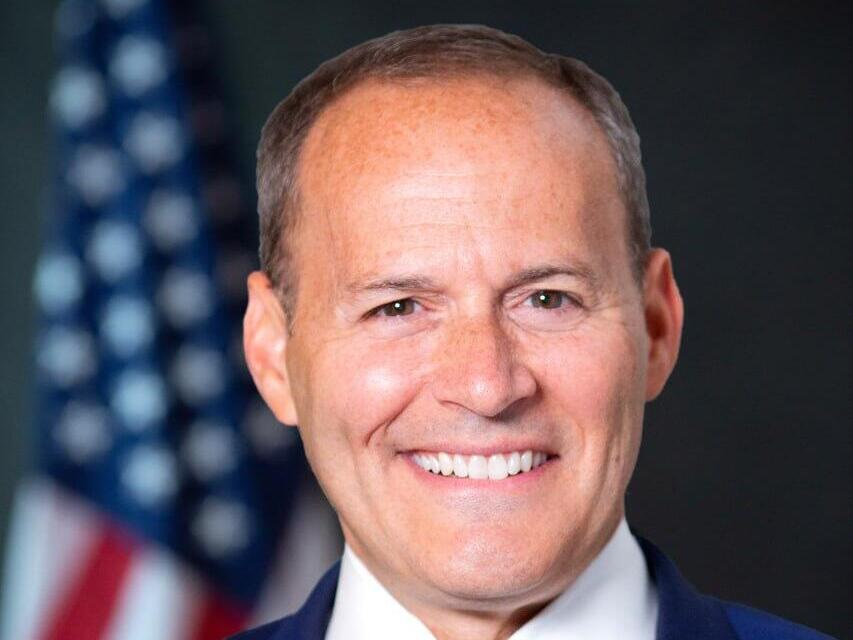
Jay Footlik
(Photo: Facebook)
The trip, arranged by Footlik, included meetings with senior Qatari officials, including the prime minister. Klein told investigators he saw the assignment as a unique reporting opportunity. After he returned to Israel in March, Klein published a widely read article on the visit.
He said Einhorn encouraged him to promote the piece in Israeli media and later connected him with Feldstein to secure interviews. Klein recalled being told that Feldstein’s compensation would come from “the American,” a reference to Footlik. Messages found on Klein’s and Feldstein’s phones confirmed the coordination. Investigators are examining whether these interactions constitute receipt of a benefit from a foreign agent or potential mediation of Qatari funds.
Get the Ynetnews app on your smartphone: Google Play: https://bit.ly/4eJ37pE | Apple App Store: https://bit.ly/3ZL7iNv
On Thursday, three other journalists — Nir Dvori of Channel 12, Suleiman Maswadeh of Kan News and Shirit Avitan Cohen of the free daily Israel Hayom — gave open testimony during a court hearing on the detention of Feldstein and Jonathan Urich, a senior adviser to Prime Minister Benjamin Netanyahu.
Also Thursday, Klein was released from house arrest after being questioned for the second time the previous day. He remains a suspect in the case.
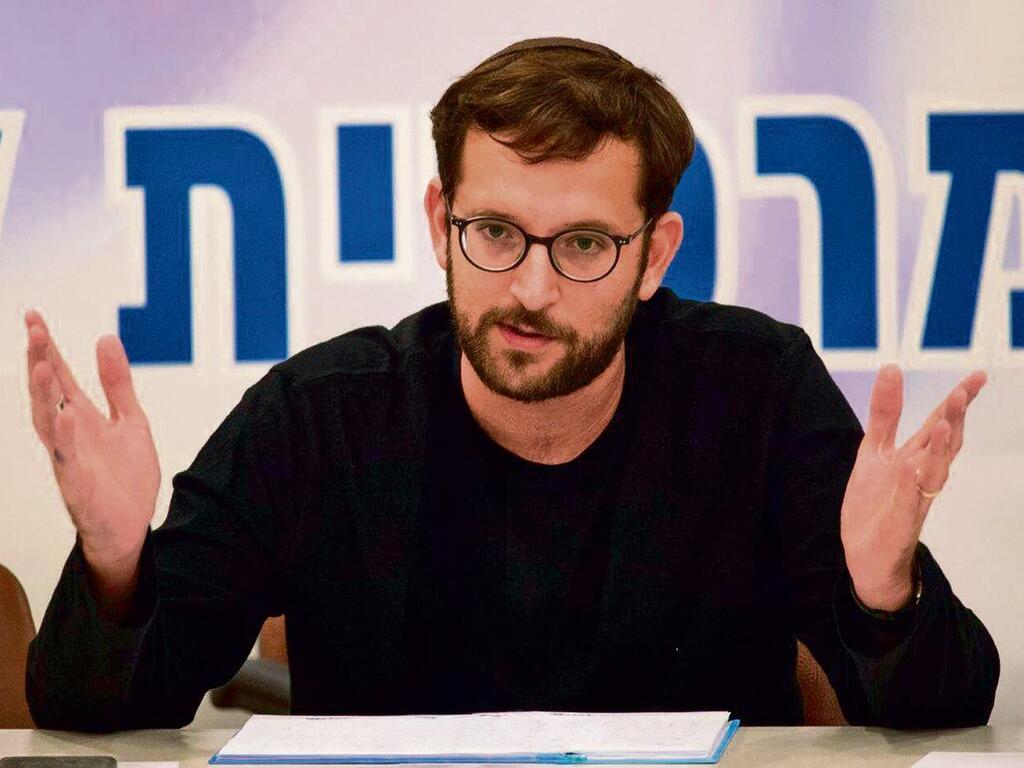
Jonathan Urich
(Photo: Yoav Dudkevich)
At the Rishon Lezion Magistrates’ Court, Judge Menachem Mizrahi said Feldstein and Urich are suspected of conveying messages to journalists on behalf of Qatar and presenting them as if they had come from official Israeli sources. Police believe the two sought to improve Qatar’s image in connection with a proposed hostage deal and to downplay Egypt’s role as mediator.
Mizrahi criticized leaks from the investigation, saying they had “trampled” a court-issued gag order, but said the gravity of the allegations warranted a comprehensive investigation. Urich and Feldstein were arrested on suspicion of contact with a foreign agent, bribery, breach of trust and tax offenses.
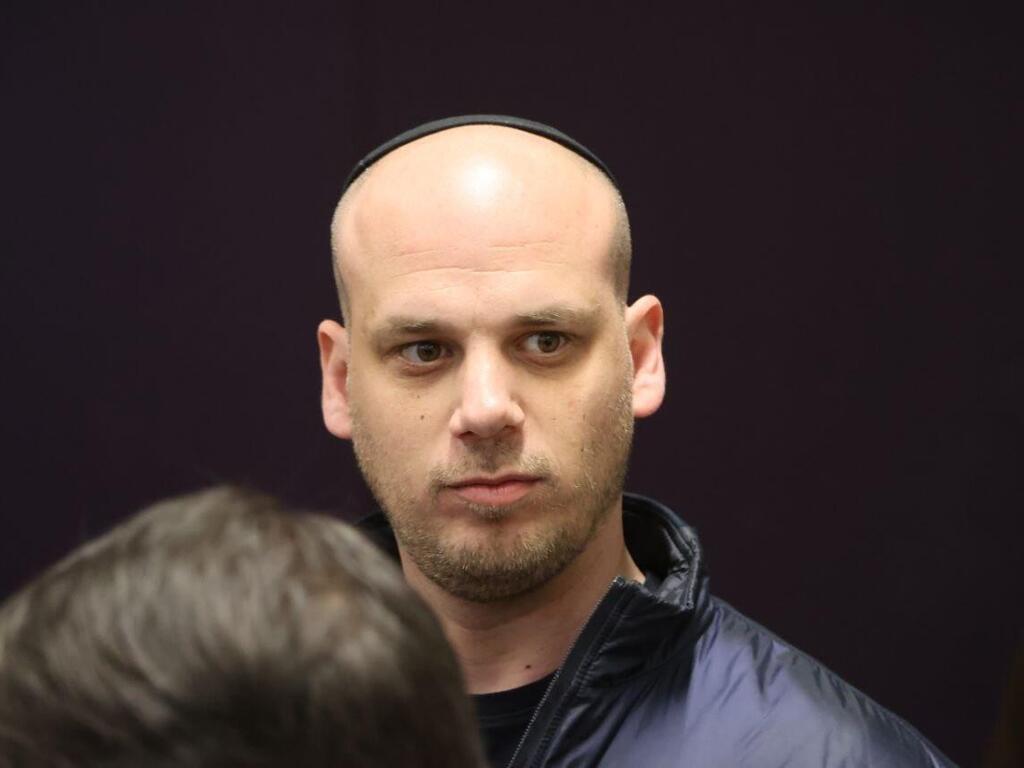
Eli Feldstein
(Photo: Moti Kimchi)
The broader investigation, known as Qatargate, focuses on suspicions that government spokespeople or individuals close to the prime minister — Feldstein, Urich and Einhorn — acted on behalf of Qatar. Attorney General Gali Baharav-Miara has approved a criminal probe, which is being led by Lahav 433.
Feldstein’s attorneys said he never worked for Qatar and received no payments from the Qatari government. They said the money he received from Birger was for strategic communications services he provided to the Prime Minister’s Office, and that it was a “temporary and partial” solution to delays in salary payments from the government.