

An investigation published in The New York Times, co-authored by Ynet and Yedioth Ahronoth journalist Ronen Bergman, reveals the findings of an Iranian intelligence inquiry conducted after Israel's attack. The report details how Israel managed to locate senior officials and scientists, alongside confirmation from Israeli sources for most of the information.
Three days after Israel’s surprise strike at the outset of the war, Iran convened a meeting so secretive that only a small circle of senior government officials and military commanders knew when and where it would take place. It was June 16, the fourth day of Iran’s war with Israel, and the Supreme National Security Council convened in a bunker 100 feet below a mountain slope in western Tehran.
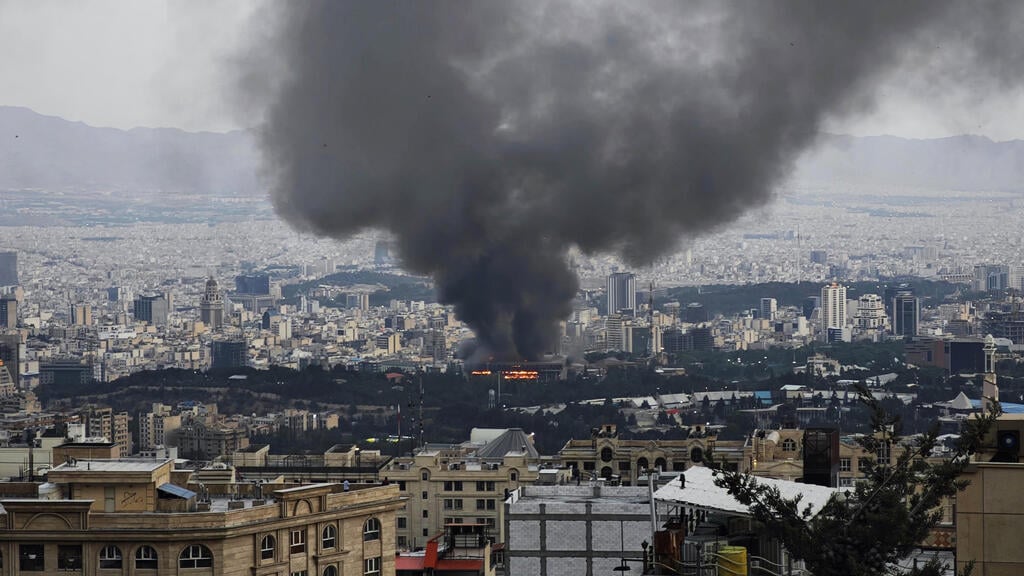
For days, Israeli airstrikes had destroyed military, government, and nuclear sites across Iran and decimated top military commanders and nuclear scientists.
Officials, including President Masoud Pezeshkian, the heads of the judiciary and intelligence ministry, and senior military commanders, arrived in separate cars and carried no mobile phones, aware that Israeli intelligence could track them. Despite precautions, Israeli jets dropped six bombs on the bunker shortly after the meeting began, targeting the entrances. Miraculously, no attendees were killed, though a few bodyguards outside the bunker were killed.
The strike exposed a devastating lapse: Israeli intelligence had tracked the meeting by hacking the phones of bodyguards who had accompanied the leaders. According to Iranian and Israeli officials, careless use of mobile phones over several years—including social media posts—enabled Israeli military intelligence to hunt nuclear scientists and military commanders and allowed the air force to target them precisely during the first week of the June war.
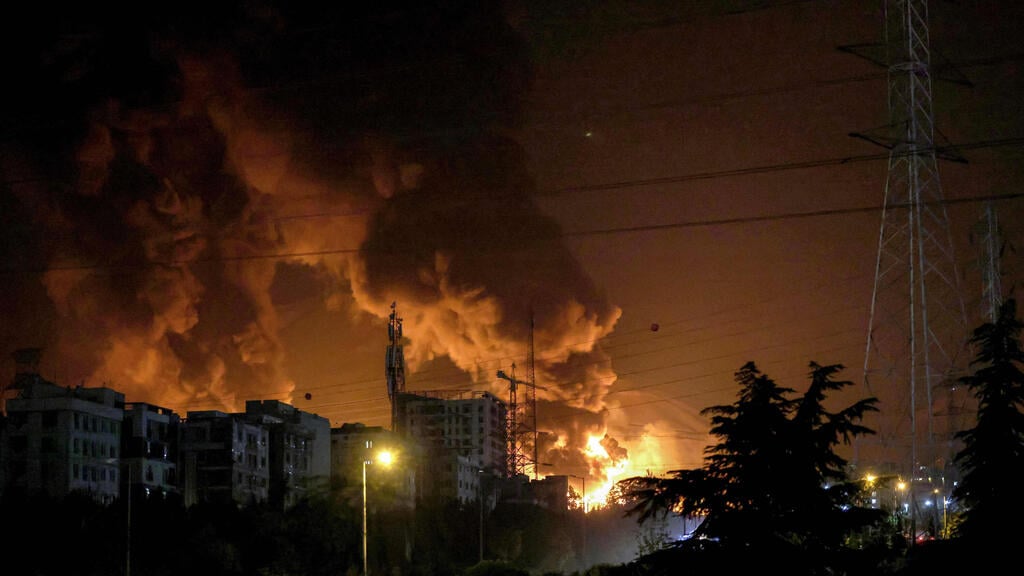
מיכל נפט שהותקף באזור שהראן, טהרן
(Photo: Atta Kenare/ AFP)
“We know senior officials and commanders did not carry phones, but their interlocutors, security guards, and drivers did, and they didn’t take precautions seriously. This is how most were traced,” said Sasan Karimi, a former deputy vice president for strategy, now a political analyst.
The bodyguard breaches were only one element of Israel’s long-running effort to infiltrate Iran’s security apparatus, which officials in Tehran say has left them chasing shadows for months. Former vice president Mostafa Hashemi Taba said in late June, “Infiltration has reached the highest echelons of our decision-making.”
In the wake of the war, Iran executed nuclear scientist Roozbeh Vadi on charges of spying for Israel and facilitating the killing of another scientist. Officials acknowledged dozens of other arrests or house arrests of military, intelligence, and government personnel suspected of collaborating with Israel, some high-ranking. Israel has neither confirmed nor denied involvement.
Israel had been tracking senior Iranian nuclear scientists since late 2022, but delayed any strikes to avoid a clash with the Biden administration. From late 2022 until June, a so-called “decapitation team” reviewed files of Iranian nuclear scientists, narrowing a list from 400 names to 100, primarily using material stolen by the Mossad from Iran’s nuclear archive in 2018. Ultimately, Israel targeted and killed 13 scientists, alongside senior military figures, under a program called “Operation Red Wedding,” named after a bloody episode in Game of Thrones.
The strategy focused on hitting 20–25 key targets in the opening strike of the war, anticipating that surviving officials would take stricter precautions afterward. Brig. Gen. Ahmad Vahidi, the newly appointed head of the Revolutionary Guards Corps, confirmed in a video interview that Israel used both operatives in the field and advanced technology—including satellites and electronic intelligence—to locate sensitive meetings.
Iranian leaders, aware of the threat, implemented strict measures: large bodyguard details and bans on cellphones and messaging apps like WhatsApp for senior officials. Ironically, Israel discovered that many bodyguards still carried phones, some posting on social media. “Using so many bodyguards is a weakness that we imposed on them,” an Israeli defense official said.
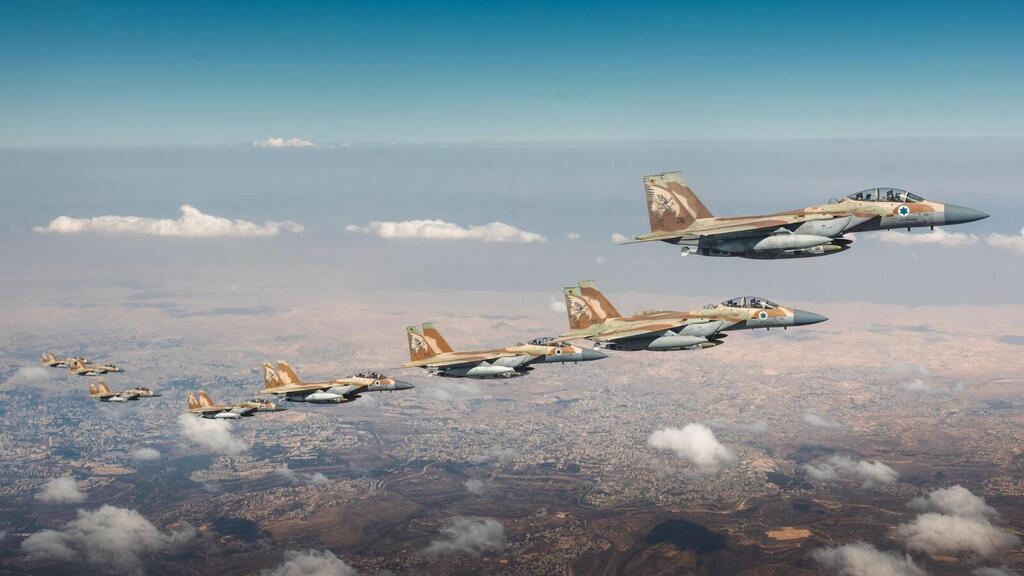
(Photo: IDF)
Smartphones are now completely banned for senior military commanders, nuclear scientists, and high-ranking government officials. Protection is the responsibility of an elite Revolutionary Guards brigade, Ansar al-Mehdi, commanded by Gen. Mohamad Javad Assadi. Despite warnings from General Assadi to take extra precautions, a violation at the June 16 meeting allowed the Israeli strike to occur.
Political and military analyst Hamzeh Safavi described Israel’s technological superiority as an existential threat. “We have a major security and intelligence bug, and nothing is more urgent than repairing this hole,” he said. Iran’s intelligence minister reported foiling assassination attempts on 23 senior officials in the months before the war and uncovered 13 plots aimed at killing 35 senior officials, arresting 21 suspected Mossad agents across 11 provinces.
Israel’s campaign also prompted Iran to recruit spies in Israel following the Oct. 7, 2023, attacks in Gaza. Shin Bet, Israel’s domestic intelligence service, arrested dozens accused of working for Iran. Israeli officials have prioritized eliminating Iran’s top nuclear scientists to slow its nuclear program, even poisoning young rising scientists, after concluding that sabotage of enrichment infrastructure had only marginal effects.
Operation Narnia, Israel’s plan to kill members of a critical nuclear “weapon group,” targeted scientists involved in developing a nuclear trigger. By June 16, several high-profile figures, including Mr. Tehranchi and Fereydoun Abbasi, had been killed, their bodyguards’ phones aiding Israeli tracking. The campaign also targeted broader leadership, killing at least 30 senior military commanders during the war.
General Hajizadeh, head of the Revolutionary Guards air force, and his leadership team were among those targeted. Hajizadeh reportedly took extreme precautions with phones; his son Alireza recounted that his father always removed smart devices during sensitive discussions.
At the June 16 bunker attack, Mr. Pezeshkian and other officials survived by digging through debris to create a narrow opening. Mr. Pezeshkian sustained a minor leg injury, and the interior minister was hospitalized for respiratory distress. “Life hinges on one second,” Mr. Pezeshkian said. He added that had the strike succeeded in killing Iran’s top officials, it would have caused national chaos. “People would have lost hope.”