


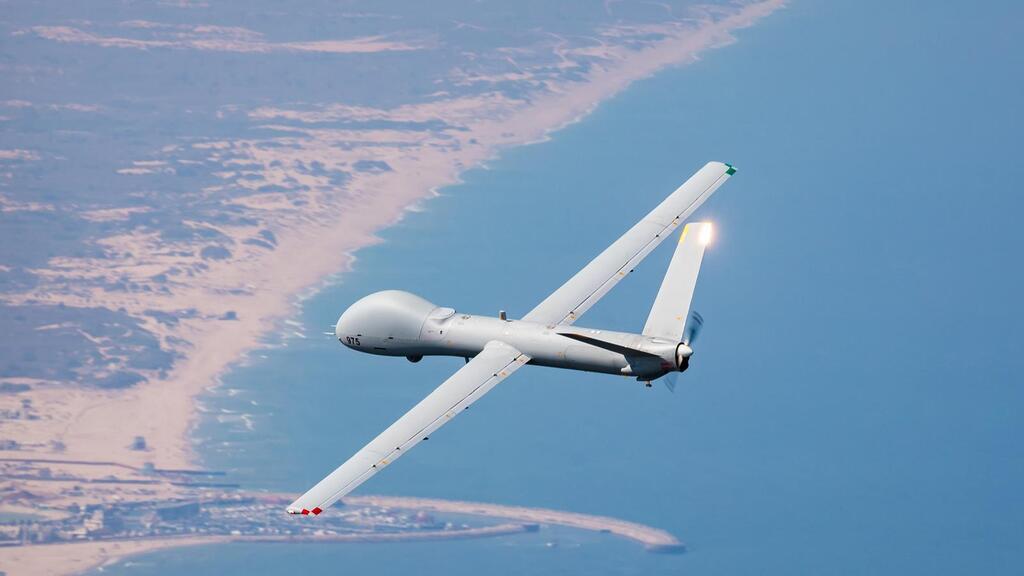
Several Israeli unmanned aerial vehicles have been shot down in Iran during the war after Iranian forces launched surface-to-air missiles at them, according to Israeli officials.
Those missiles, positioned near Iranian missile launch sites, have also posed a threat to Israeli Air Force fighter jets. In several cases, pilots were forced to perform evasive maneuvers in midair to avoid being hit.
Israeli Air Force strikes kill several operatives in Iran’s ballistic missile and drone units
(Video: IDF)


The Israeli Air Force is currently operating at one of the most intense periods in its history, with forces stretched close to their operational limits in both Iran and Lebanon.
From the outside, the operations may appear routine, but each mission over Iran carries significant risks.
“Strikes in Iran involve enormous complexity,” a security official said. “The ability to take so many aircraft, fly for hours, refuel in the air, rearm and return safely is extremely complicated.”
According to the official, the achievement is not only due to the pilots but also to the aircraft and the extensive maintenance system that keeps them operational.
Drones hunting Iranian missile launchers
Israeli forces are targeting Iran’s surface-to-surface missile infrastructure along with command-and-control systems belonging to the Iranian regime.
Israeli strikes across Iran
(Video: IDF)
Once Israel achieved aerial superiority, Israeli drones began patrolling wide areas of Iran, flying above launch sites identified by intelligence and working to prevent Iranian forces from firing missile barrages toward Israel.
Unlike fighter jets, drones operate in areas with higher levels of threat and are therefore more exposed to Iranian air defenses.
Iran has deployed surface-to-air missiles near many missile launch sites in an effort to counter Israeli operations.
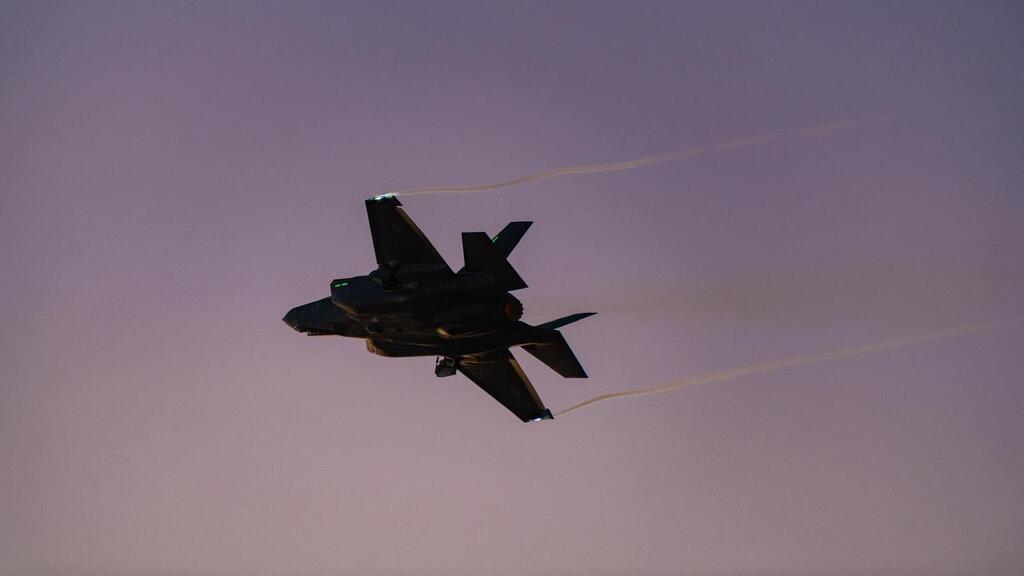
Israeli F-35
(Photo: IDF)
Since the beginning of the campaign, several Israeli drones have been shot down.
At the same time, there have been a small number of incidents, the exact number is not publicly disclosed, in which Israeli pilots had to perform aggressive aerial maneuvers to evade incoming surface-to-air missiles.
“They place surface-to-air missiles near their surface-to-surface launch sites to threaten the aircraft, preventing launches toward Israel,” the security official explained.
“If a fighter jet were hit and a pilot had to eject, it would be a dramatic event. Our pilots take risks constantly and do everything possible to complete the mission.”
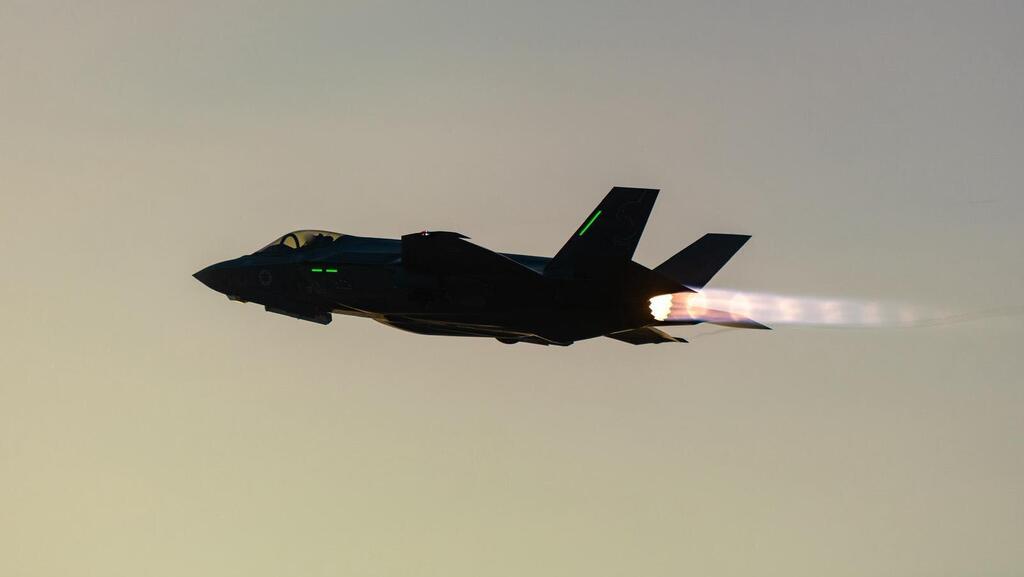
F-35
(Photo: IDF)
Iranian missile fire is declining
The threat from Iranian missiles remains a major concern for Israel’s civilian population, and the military continues aggressive efforts to neutralize it.
However, officials say the number of missiles launched toward Israel has already dropped significantly compared with earlier phases of the conflict.
Exact figures remain classified, but the trend is clear.
During the first days of fighting, Iran launched dozens of missiles in a single wave. Over the past week, Iranian forces have typically fired only a handful at a time.
Israeli security officials attribute the decline to the extensive damage inflicted on Iran’s missile launch infrastructure, factories and senior personnel responsible for operating the system.
According to a military source, Iran still possesses numerous launchers hidden inside tunnels but is struggling to deploy them.
“They have many launchers in underground tunnels,” the source said. “They simply cannot bring them out and fire because aircraft are constantly operating above the launch areas. The threat has not disappeared.”
Additional targets under consideration
Israeli officials say Iran remains “covered with targets,” giving the military a wide range of options.
Decisions about which sites to strike are made by the commander of the Israeli Air Force, although certain targets require approval from higher political authorities.
Officials emphasize that the Iranian public is not a target of the campaign.
“The Iranian people are not the target, and there is no intention of harming them,” the security official said. “Pilots and planners do everything possible to avoid civilian casualties. Our strikes are directed only at regime targets.”
He noted that energy infrastructure, such as oil facilities, could theoretically be targeted.
“Striking those sites is simply a matter of decision,” he said. “We can operate freely in the skies. At the highest levels, they are weighing whether such attacks would serve Israel’s interests.”