

US-Saudi airstrikes targeting the Popular Mobilization Forces in Iraq killed 20 people, including several Iranian military advisers, according to sources within the Iran-aligned alliance and Iranian media. Two sources within the Popular Mobilization Forces, or PMF, told AFP that five Iranian advisers were among those killed in a strike in the central province of Diyala. AFP journalists reported seeing coffins draped in Iranian flags during funerals organized by the PMF in Baghdad.
Iran’s Hamshahri newspaper separately reported that four military advisers from the Islamic Revolutionary Guard Corps were killed in the overnight strikes. Iranian authorities had not officially confirmed the deaths, and the conflicting figures could not immediately be reconciled.
US-Saudi strikes in Iraq


The PMF is an alliance of Iraqi armed groups that was formally incorporated into the country’s security forces, though several of its most powerful factions retain close ties to Iran and operate with significant autonomy. The strikes prompted a direct threat from Kataib Hezbollah, one of Iraq’s most powerful Iran-backed militias.
The group said retaliation for the US-Saudi attack was “inevitable” and warned that its response could target American “tools” in Saudi Arabia. Kataib Hezbollah also said it would give the Iraqi government until August 6 to demonstrate that it was capable of defending the country’s sovereignty.
The militia did not specify what action it would take after the deadline or identify the potential American targets in Saudi Arabia. The joint strikes followed a series of attacks in the region attributed to Iran-backed militias and marked a significant escalation in the widening confrontation involving Iran, American forces and regional allies.
The Iraqi government condemned the strikes as a violation of its sovereignty while facing growing pressure to rein in armed factions operating outside direct state control. Several PMF factions are closely aligned with Iran’s Revolutionary Guards and form part of Tehran’s regional network of armed groups.
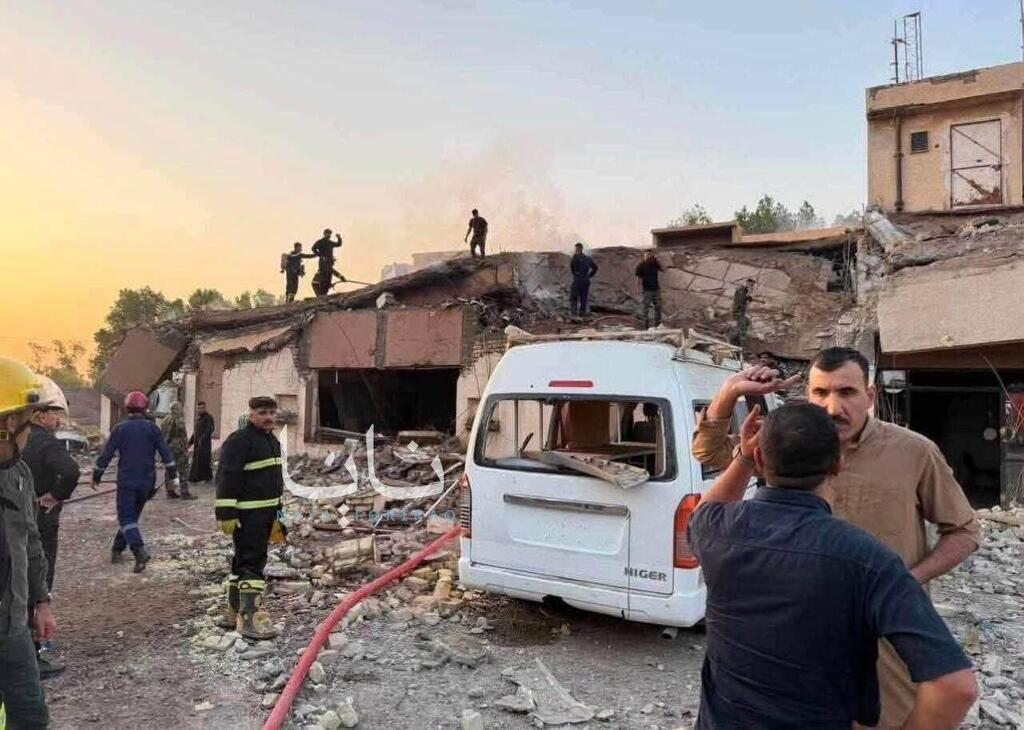
Aftermath of the strikes
Although the PMF officially falls under the authority of the Iraqi government, critics say some factions maintain independent command structures, weapons and political agendas. Kataib Hezbollah has resisted efforts to disarm Iran-aligned groups and has argued that its weapons are necessary as long as foreign forces remain in Iraq.
The strikes placed Iraq in an increasingly difficult position between Washington, Riyadh and Tehran while raising the risk that militia retaliation could extend the fighting into Saudi territory. Kataib Hezbollah’s reference to American “tools” in Saudi Arabia appeared to leave open the possibility of attacks on US military assets, personnel or facilities in the kingdom.
The militia’s August 6 deadline also increased pressure on the Iraqi government to respond publicly and demonstrate that it could protect the country from further foreign military action. With Iranian advisers reported among the dead and Kataib Hezbollah promising an “inevitable” response, the attacks threatened to trigger another round of escalation across Iraq and the Gulf.