


After two days without exchanges of fire with the United States, Iranian media reported Sunday afternoon that an oil tanker that had “strayed from the route” designated by Iran for passage through the Strait of Hormuz struck a sea mine, triggering an explosion.
Since the ceasefire was signed, Iran has demanded that vessels cross the Strait of Hormuz only through a route it designated. When ships instead used an alternative route near the coast of Oman, Iran attacked some of them, prompting an escalation with the United States.
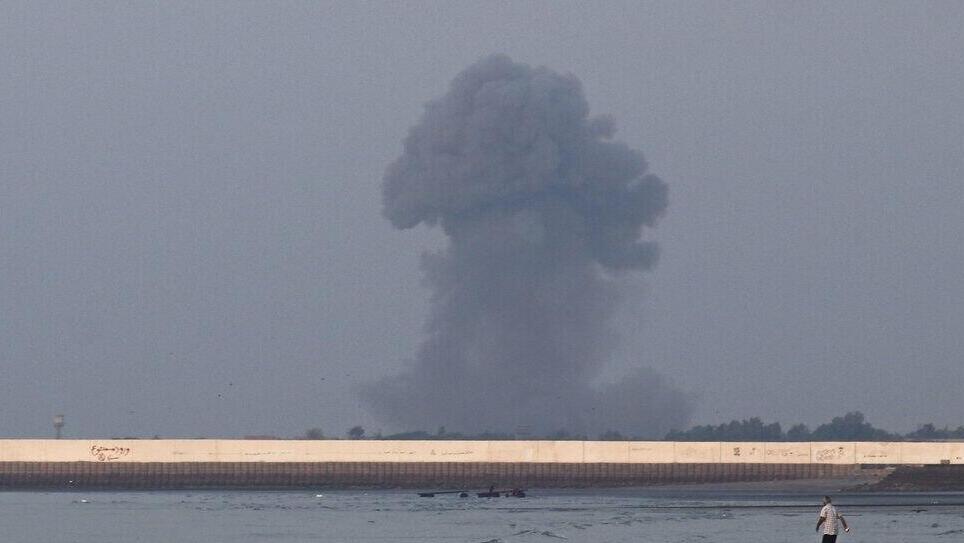
(Photo: Archive)
U.S. President Donald Trump recently warned that if the practice continued, the United States would destroy a bridge or power plant in Iran, including in Tehran, for every ship attacked in the Strait of Hormuz.
Iran, however, says the tanker was damaged by a sea mine rather than a direct Iranian attack, leaving it unclear how Trump will respond. Tehran has previously warned that ships straying from the designated route would face consequences.
The battle over Hormuz
The most recent U.S. strikes in Iran took place overnight Thursday into Friday, marking the 13th consecutive night of American attacks.
That night, Trump threatened to use Iranian funds to pay for any damage caused to vessels.
“Until further notice any and all damages done to ships, cargo, or anything related thereto, will be paid for by Iranian money that the United States has in its possession, and controls,” he wrote. “These damages may be very substantial but, nevertheless, this is the fair and equitable thing to do.”
Earlier Sunday, The New York Times cited a Pentagon official as saying the operation in Iran was now “on hold.”
Even before Trump made any decisions, CBS reported that senior U.S. officials had said the United States could not sustain its current rate of interceptor and precision-munition use for an extended period.
The main concern involves Patriot and THAAD interceptors, which have been used extensively against ballistic missiles, cruise missiles and drones.