

Russia announced Wednesday that it had charged Telegram founder and owner Pavel Durov with aiding terrorist activity, alleging that the popular messaging platform was used by Ukrainian intelligence operatives to coordinate attacks inside the country.
Telegram’s official account on X quickly responded by posting an image of the Russian-born billionaire raising his middle finger.
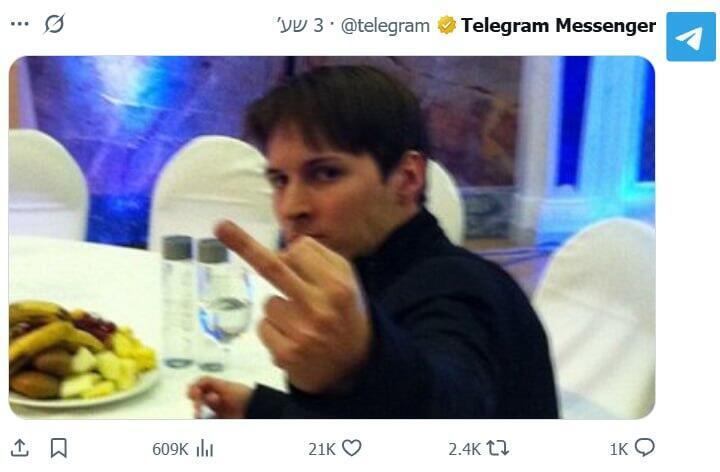
The charges, disclosed by Russia’s Federal Security Service, or FSB, mark the culmination of a prolonged investigation into Durov, who lives in Dubai, and Telegram, which has been described in recent years as a “virtual battlefield” in the war between Russia and Ukraine.
Government officials, soldiers and influential bloggers on both sides have used the platform extensively.
Russia recently slowed access to Telegram as part of a broader campaign to tighten control over the internet and restrict access to foreign technology platforms.
The throttling appears to have been effective, with many Russian users now able to connect only through virtual private networks that encrypt traffic and obscure their locations.
Despite the restrictions, Russian state bodies, including the Kremlin and Defense Ministry, continue to publish content on Telegram daily.
In announcing the indictment, the FSB and Russia’s Investigative Committee accused Telegram’s management of failing to remove channels, chats and bots that they said were “actively used by Ukrainian intelligence services, terrorist and extremist organizations to prepare and coordinate sabotage and terrorist acts, mass killings and cyber fraud in Russia.”
The agencies claimed that the activity had resulted in numerous casualties.
Russian authorities specifically cited a Telegram dating chatbot known as Daivinchik, or Leo, which they alleged was used by Ukrainian special services to recruit young Russians for acts of sabotage and terrorism.
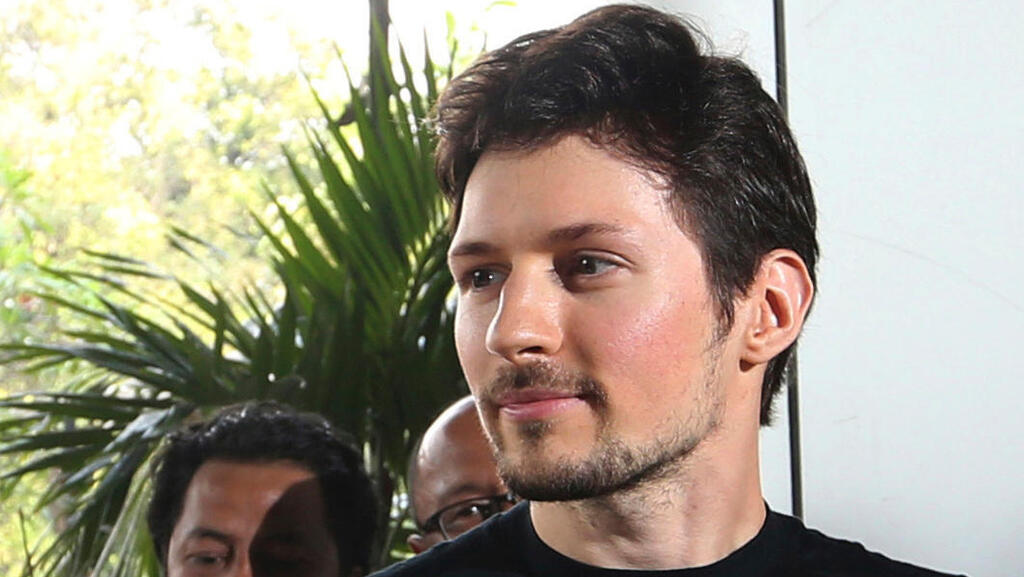
Pavel Durov
(Photo: AP Photo/Tatan Syuflana)
Daivinchik is a popular dating bot in Russia, where Tinder is no longer available.
According to the FSB, Ukrainian operatives posing as young women used the bot to contact Russian men, lure them into compromising situations and then coerce them into committing crimes.
The agency said 46 Russians between the ages of 12 and 22 had been arrested over the past year after allegedly being recruited in this manner to attack law enforcement personnel or set fire to transportation, energy, communications and financial infrastructure.
Possible Interpol request
The FSB said Durov would be placed on an international wanted list, but did not specify which mechanism Russia would use in an attempt to detain him.
Moscow could ask Interpol to issue a Red Notice, although such a process, even if pursued, would not be expected to move quickly.
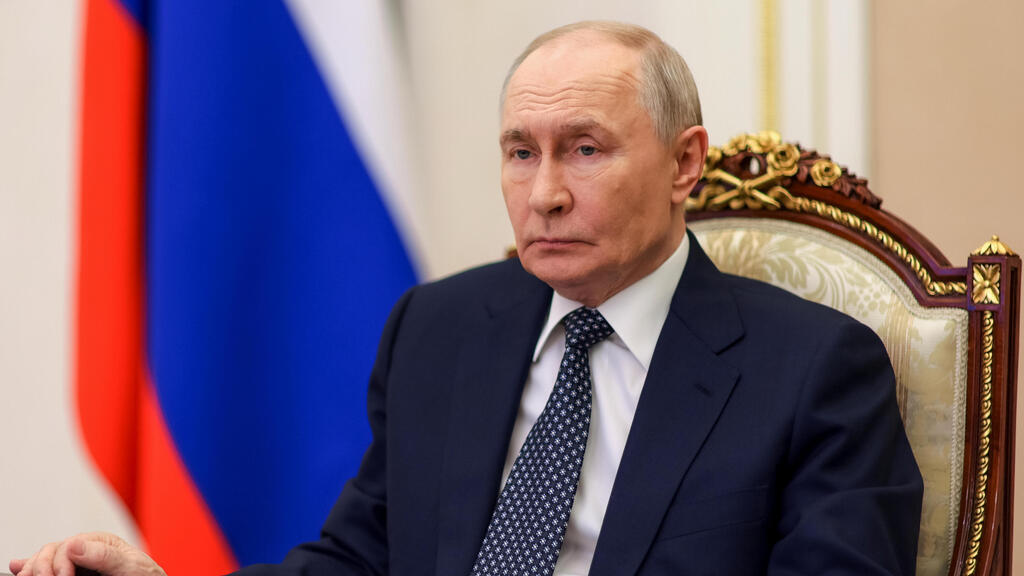
Russian President Vladimir Putin
(Photo: Gavriil Grigorov/Sputnik, Kremlin Pool Photo via AP)
If Russia were able to bring Durov into the country and convict him, he could face life imprisonment.
Dubai, where Durov is believed to reside, maintains friendly relations with Moscow and has expanded ties with Russia in energy, business and finance.
However, extraditing Durov could damage Dubai’s reputation as an attractive center for entrepreneurship and technology, potentially making the emirate reluctant to comply.
Durov said last week that he was in Georgia, but his current location is unclear.
He was born in Russia and now holds citizenship in both the United Arab Emirates and France.
Durov also founded VKontakte, Russia’s equivalent of Facebook, before selling his remaining stake in 2014 under pressure from Russian authorities.
In 2024, he was arrested in France over allegations that Telegram had failed to adequately address criminal activity on the platform and had not cooperated sufficiently with law enforcement requests.
He was later permitted to leave the country while the investigation continued.
Durov denies committing any crime and argues that Telegram has gone beyond its obligations in monitoring content and cooperating with authorities in the fight against criminal activity.
‘I am proud to be guilty’
A Russian government newspaper reported in February that Durov was under investigation in a terrorism-related case.
In April, he wrote on Telegram that a summons for questioning addressed to “suspect P. V. Durov” had been delivered to an apartment in Russia where he had lived 20 years earlier.
“They must suspect me of defending Articles 29 and 23 of the Russian Constitution, which guarantee freedom of speech and the confidentiality of private correspondence,” he wrote. “I am proud to be guilty!”
Russia has restricted access to several other major social media platforms in recent years.
Facebook, Instagram and X, formerly Twitter, have been blocked, while YouTube has been slowed.
Popular messaging applications including Viber and Signal have also been blocked, while restrictions have been imposed on WhatsApp and Telegram.
At the same time, Russia is actively promoting its own “national” messaging application, MAX, which critics say could be used for surveillance.
The platform is marketed by developers and officials as an all-purpose service for messaging, online government services, payments and more.
MAX openly states that it will share user data with authorities upon request, while experts note that it does not use end-to-end encryption.