


When Amity Soler, a student at the Hesder Yeshiva in Kiryat Shmona, was fighting to defend the north in Hezbollah strongholds in southern Lebanon, he says he always looked back toward the Upper Galilee communities. Now, after completing his IDF service and returning to the yeshiva, he has once again “signed” for a weapon and will defend the city from within the Beth Midrash framework.
“Throughout the fighting in southern Lebanon, it was important for me to look back at the northern communities we were fighting for,” Soler said. “Now we’ve had the privilege of returning, after a long period and everything we went through, to the Hesder Yeshiva. We are combining Torah study with the mission of defending the city.”
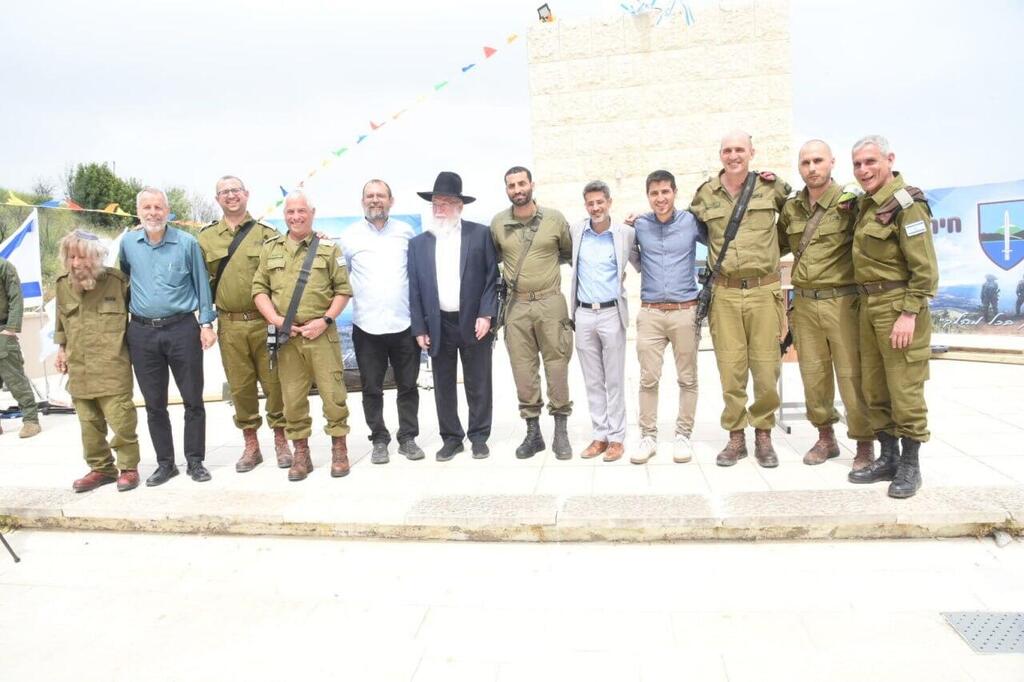
He and dozens of his peers, graduates of the military service phase, will begin today to serve as a force that effectively doubles the city’s defenses, joining the tactical unit and the local defense.
“It’s one thing,” he said. “Both the study in the yeshiva and the defense of the city. The army and the community are not separate—they are one integrated whole.”
At a ceremony held Sunday afternoon, the yeshiva’s leaders, Rabbi Yisrael Kirshtein and Rabbi Ariel Barkai, hosted senior military officials.
The initiative is intended to expand rapid defense units in northern cities and beyond, based on Hesder Yeshiva students who have completed combat service. They will continue their regular studies in the study hall, while their weapons are stored in secured safes, ready for use when called upon.
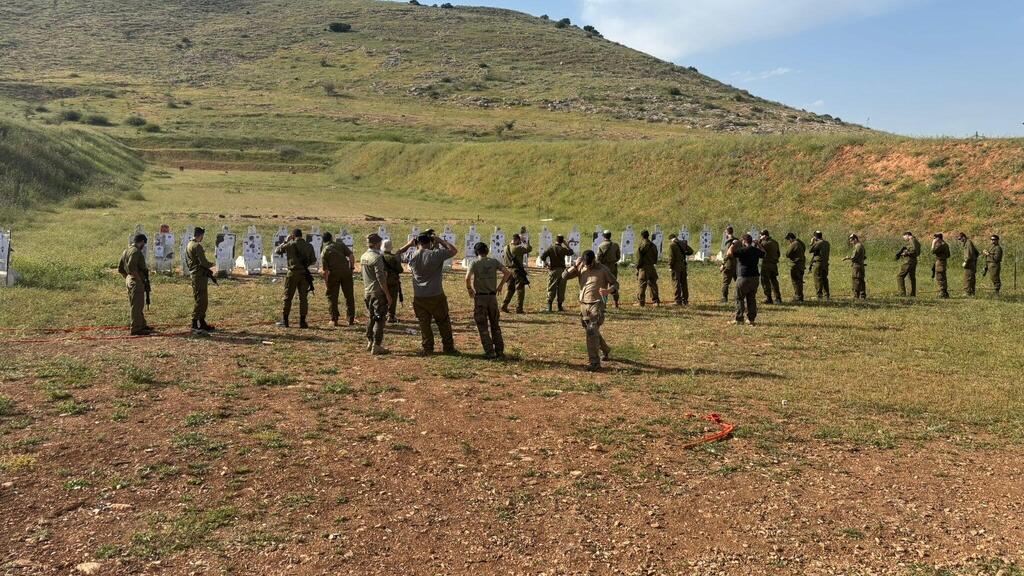
Ranges of the Hesder Yeshiva
Major “Y.,” the regional defense officer of the 769th Brigade, said the events of October 7 underscored “at every level, from bottom to top, the operational need for defense units in every community in the country.” Over the past two years, he said, those units have been reinforced with manpower, equipment and authority—creating the opportunity to now integrate the long-established yeshiva in Kiryat Shmona into the framework.
He added that Hesder Yeshiva students “were the first to return after the evacuation, and all of them are reserve soldiers across all our fronts. In effect, they are mobilizing for defense here—ready for any incident or scenario, and able to respond alongside the local defense company and the tactical unit established in the city.”
Following the ceremony, the officer conducted a live-fire training session with the experienced fighters, who recalibrated their assigned weapons and reviewed operational rules of engagement.
“They bring with them the advantage of combat experience and familiarity with the terrain,” he said. “They have operational experience in Gaza, Lebanon, Syria and the West Bank. That knowledge and experience can contribute here alongside the defense unit. In practice, in cities where Hesder Yeshiva operate, there are fighters within the cities themselves, with the capability and strength to defend them—through Torah and now also through action. They will be part of the city’s active defense.”
A week and a half into a fragile ceasefire—repeatedly violated by Hezbollah—residents of Kiryat Shmona, like those in other frontline communities, understand that the current relative quiet is temporary.
“We are here, strong, in control of the situation, and preparing for any incident so we can respond,” said Guy Ohayon, the city’s security coordinator.
Kiryat Shmona Mayor Avichai Stern accompanied the students as they took on the challenge of defending the city. He views them as strengthening local resilience, but stressed that more is needed.
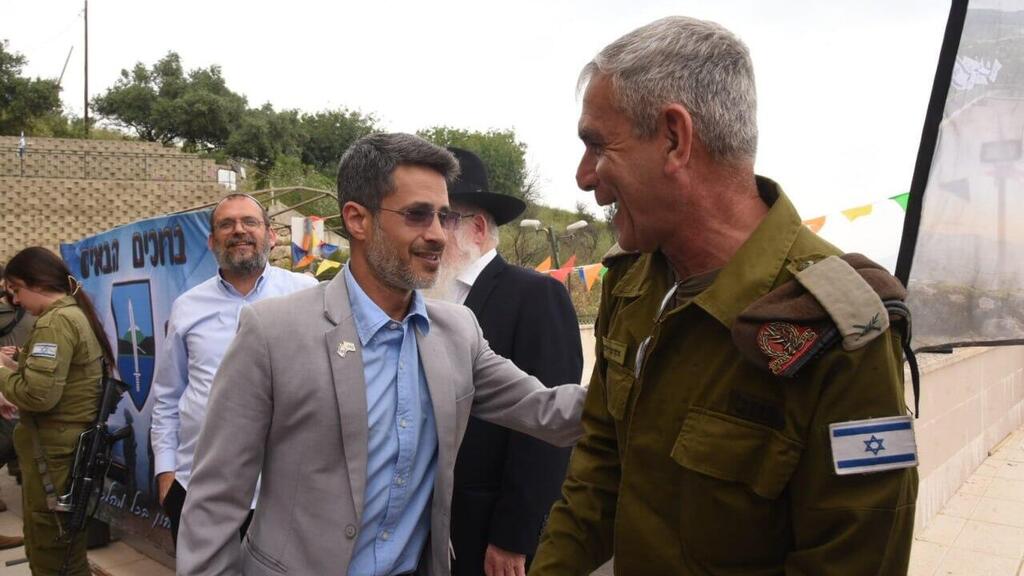
Participants in the initiation ceremony in Kiryat Shmona
(Photo: Avihu Shapira)
“I welcome any addition to security. Residents here need to know there are enough skilled forces able to respond in real time, without waiting or depending on external security bodies,” Stern said.
“Given the current situation and the ceasefire, we must remember that any defensive reinforcement must come alongside—not instead of—our primary goal: eliminating the enemy and removing the threat. There is nothing more effective than that,” he added. “Continuing to fortify ourselves and deploy shelters and defense units ultimately leads us back to October 7. The solution is the defeat of Hezbollah, as we were promised at the start of this war. The rapid response team should be an addition to that—and hopefully will never need to be mobilized.”