

Jake Sullivan, who served as national security adviser under former U.S. President Joe Biden, warned Thursday that Washington is facing a strategic dead end in its confrontation with Iran, while also pointing to widening gaps between the American public and Israel’s current government.
Speaking at the Meir Dagan Conference on Security and Strategy at Netanya Academic College, Sullivan addressed the U.S. view of the stalemate with Tehran, the conditions for a possible breakthrough with Riyadh and the growing tensions with Israel’s leadership.
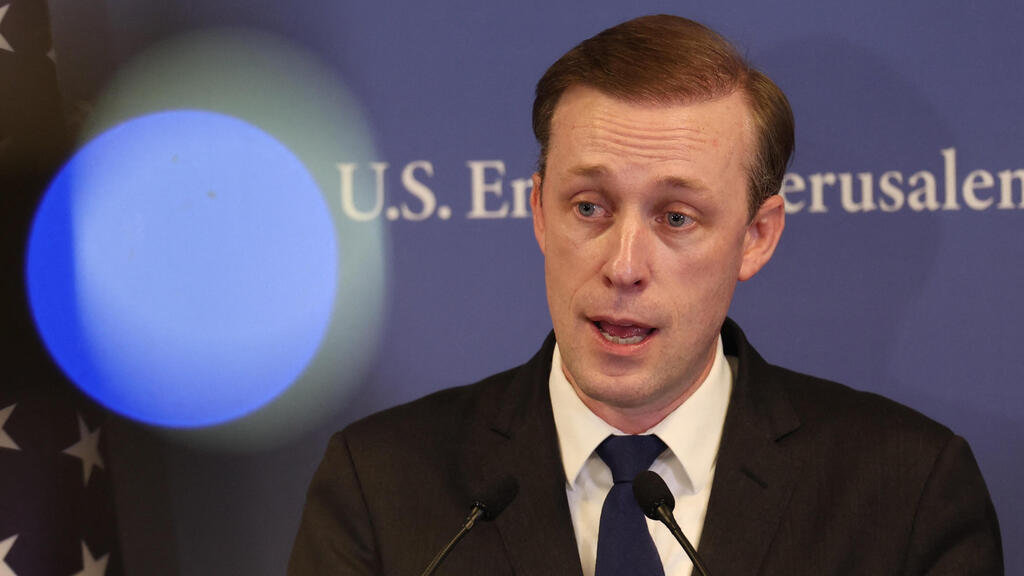
“The United States is today in a strategic dead end,” Sullivan said of the confrontation with Iran. In a veiled criticism of the current administration’s approach, he added: “President Trump believed there was some kind of ‘easy button’ that could be pressed here. But there is no such button.”
Sullivan warned that the path to an agreement with Tehran would be full of twists that could lead to “another American military action.”
Despite damage to the Iranian navy’s capabilities, Sullivan said Iran had managed to upgrade its position.
“They turned a theoretical ability to threaten the Strait of Hormuz into a real operational capability,” he said. “That threat raises energy and commodity prices and directly hits the American consumer’s pocket — something that is expected to affect domestic politics in the United States as well.”
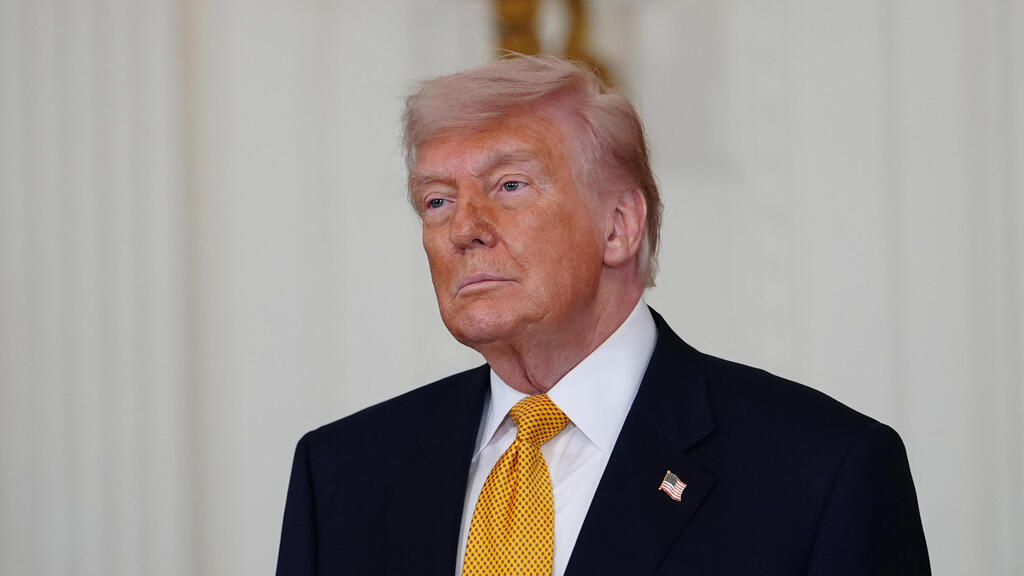
US President Donald Trump
(Photo: Julia Demaree Nikhinson/AP)
Addressing the future of the region, Sullivan issued a clear warning about the Abraham Accords and the prospects of expanding them.
“Saudi Arabia has said clearly that normalization must be tied to a credible path to a Palestinian state,” he said. “The political leadership in Israel today, and many voices across the political spectrum, have shown they are not interested in advancing that. This is a fundamental obstacle.”
Sullivan also argued that the war had not improved regional security, but had instead deepened existing tensions between Saudi Arabia and the United Arab Emirates, which are currently divided over a range of economic, technological and geopolitical issues.
Responding to questions from Ruby Chen, whose son Staff Sgt. Itay Chen was killed at Nahal Oz on October 7 and abducted to Gaza, Sullivan pointed to what he described as a deep shift in U.S. public opinion.
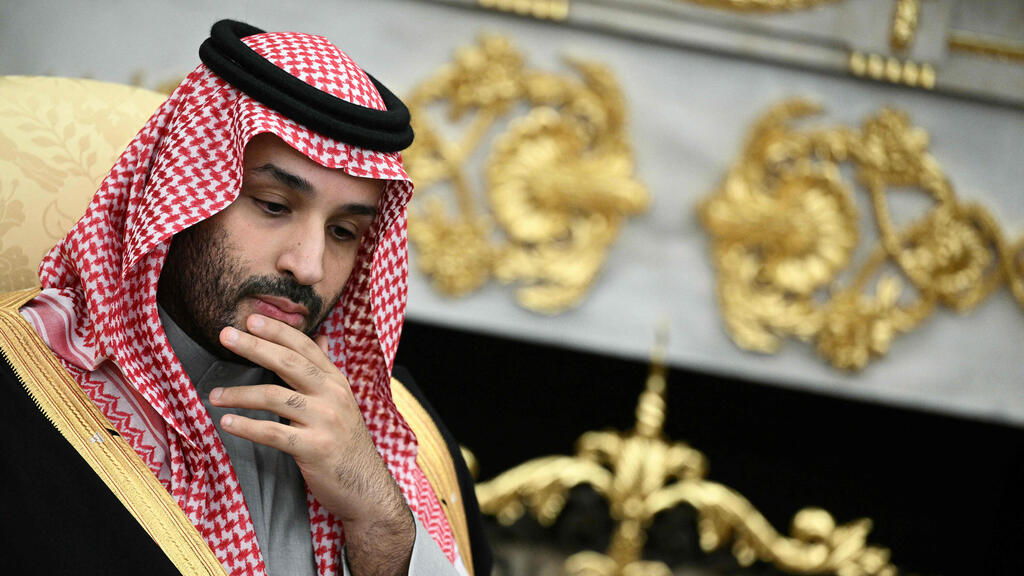
Normalization with Israel depends on a Palestinian state. Saudi Crown Prince Mohammed bin Salman
(Photo: Brendan Smialowski/ AFP)
“Many Americans today believe that the interests of the United States and Israel are diverging rather than converging, especially when it comes to the war with Iran,” he said.
That gap, Sullivan said, is leading American citizens and elected officials to ask difficult questions about whether U.S. military assistance policy toward Israel should change.
During the conversation, Sullivan also spoke about his role in efforts to free the hostages taken on October 7. Speaking to Chen, he said he remembered the families’ strength throughout the years.
“One thing I remember very well is the inner strength and courage of the families,” Sullivan said. “I was struck by your determination to see your loved ones return home. For me, the issue of reuniting families with their loved ones was a top priority throughout my four years in office.”
At the end of his remarks, Sullivan urged Israel’s future leaders in the audience to maintain direct, face-to-face dialogue with their American counterparts. He stressed that the future of U.S.-Israel relations would be shaped to a large extent by progress toward a two-state solution.