

According to the military, soldiers issued multiple warnings that were ignored before firing “to remove the threat,” adding that no suspects breached Israeli positions. Palestinian sources in Gaza later reported that five people were killed in the Shejaiya neighborhood of Gaza City during the incident, which occurred amid the ongoing ceasefire.
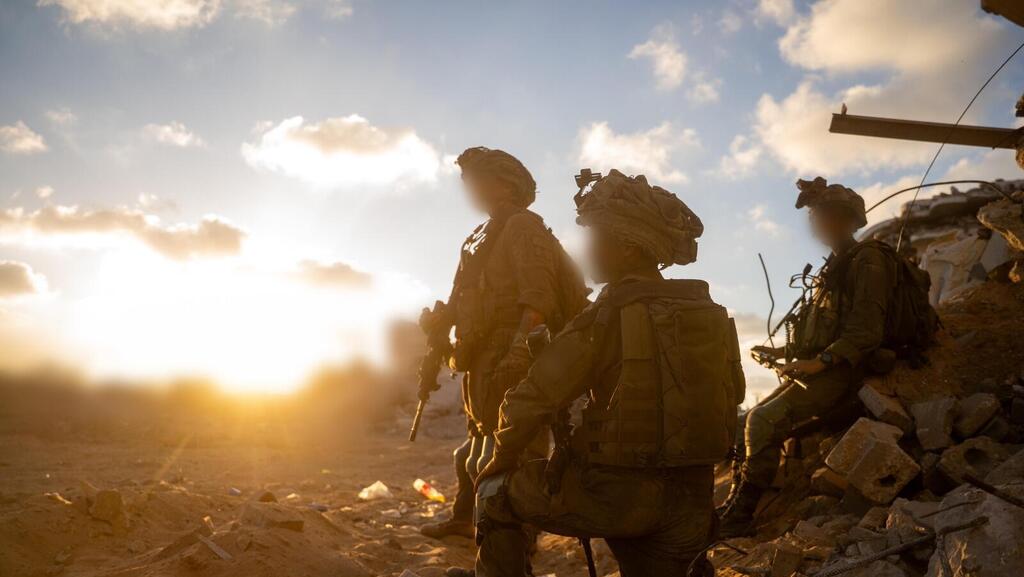
The statement urged Gaza residents to “follow IDF instructions and avoid approaching deployed forces.”
Meanwhile, Hamas spokesman Hazem Qassem accused Israel of violating the truce, alleging “the killing of civilians through bombings and gunfire.” He called on mediators “to hold Israel accountable for evading its commitments under the ceasefire agreement.”
What is the “yellow line”?
The yellow line, referenced by the IDF, marks the initial withdrawal boundary agreed upon in the latest deal with Hamas. Under the terms of the agreement, Israeli forces pulled back from parts of central Gaza City and other areas within the enclave.

The Gaza yellow line
(Photo: IDF)
Although Israeli maps show that the army still controls more than half of Gaza’s territory, the actual withdrawal appears to be deeper than indicated, with defensive positions now set closer to the border. The line remains loosely defined, and Tuesday’s incident was not the first time civilians have approached it.
In recent days, there have been several instances of warning fire aimed at Palestinians nearing the line. In one case, dozens of Gazans were seen scavenging at an abandoned IDF outpost near Khan Younis, prompting an air force drone to fire warning shots to drive them away.
Since the ceasefire took effect, IDF troops along the buffer zone have operated under strict rules of engagement, authorizing fire only to deter immediate threats or when armed militants pose a direct danger to soldiers.
Despite the withdrawal, Hamas has redeployed roughly 7,000 operatives across the Strip to reassert control over neighborhoods where residents have returned following the Israeli pullback.