


A change in the primary system being forced on Likud lawmakers is stirring major unrest in the party, especially among backbench members of Knesset who know that if the selection method changes and becomes almost entirely based on a selection committee, their chances of being reelected will shrink.
While senior ministers support the initiative behind closed doors, knowing their own positions will not be harmed, others are increasingly concerned that Prime Minister Benjamin Netanyahu will filter the list, including for personal reasons.

Recently, more and more discussions in the Prime Minister’s Office have focused on how the slate will be assembled and on the need to change the prevailing spirit in Likud. Netanyahu fears an extreme, disloyal list that could challenge him in the next Knesset, a concern that has become even more significant given his standing in the polls.
In recent days, lawmakers have suspected that Netanyahu is playing for time and is not preparing for primaries, in order to cancel the familiar democratic process and build the list in a different way.
Party sources told ynet that following the criticism of Netanyahu and claims that he is “playing for time,” Likud’s Constitution Committee will convene on Sunday evening with Netanyahu in attendance. There, the final date for the primaries, the reserved slots and the order of selection are expected to be finalized. Two days later, on Tuesday, 16 polling stations will open, where members of the Likud Central Committee will vote by secret ballot on what is approved by the committee.
The most prominent opponents of a selection committee have been Constitution Committee chairman Haim Katz and his ally, MK David Bitan. But recently, after a meeting between Katz and Netanyahu, there has been a growing sense that Katz could agree to change the system under certain conditions. This is the map of interests now roiling Likud:
Benjamin Netanyahu
Netanyahu wants a tighter slate, mostly obedient and ideological only to a degree. In the current Knesset term, the inability to pass bills benefiting the ultra-Orthodox because of the ideological wing of the party increased his desire to impose order. Beyond that, the Likud chairman fears an extreme party list, with new figures who could make things harder for him during the campaign and provide easy ground for his rivals to attack him.
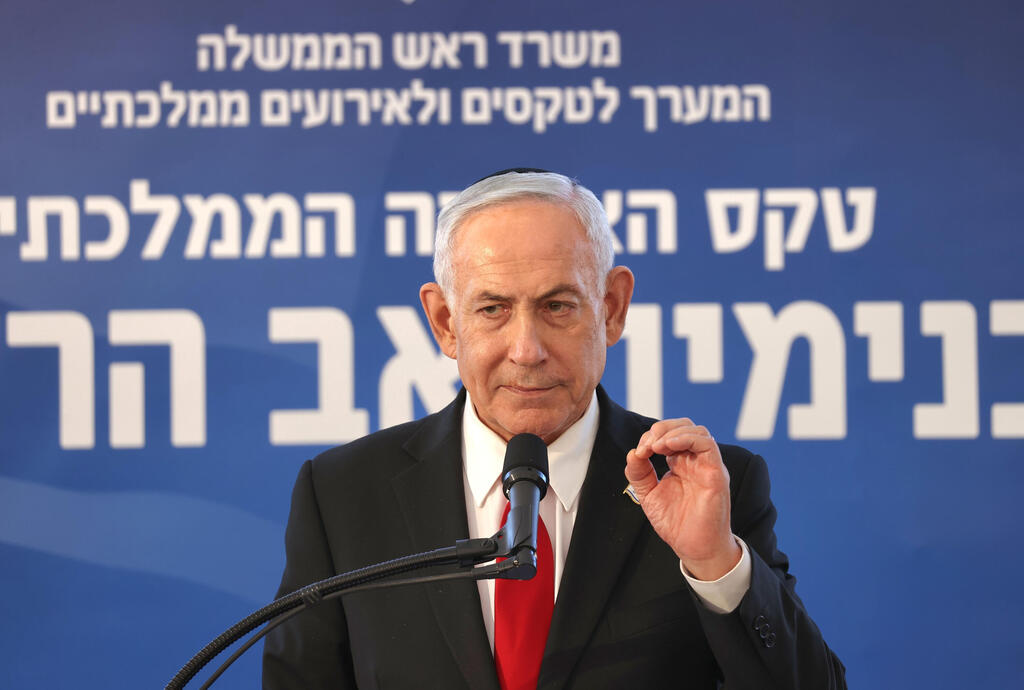
(Photo: Alex Kolomoisky)
“For Netanyahu, this time it is not enough to have lawmakers who know how to get elected,” a source close to him said. “He wants a statesmanlike and disciplined list, and that is also why he is delaying the primaries.”
Netanyahu is backed in this line by leading Likud mayors, who support him and are preparing the ground for him. At this stage, he is not yet officially talking about reserved slots, but among the names raised have been Local Government Federation chairman Haim Bibas, Yoseph Haddad as a representative of young voters, and television host and media personality Natali Shem Tov. Netanyahu also wants reserved slots in the second and fourth places on the list, but senior Likud officials say this is an unrealistic and unacceptable demand, especially if it involves bringing in an outside figure without significant electoral value.
The senior ministers
Most senior Likud ministers would gladly give up holding primaries, since their high positions on the list are effectively guaranteed. But they oppose Netanyahu’s desire to place an outside figure in the No. 2 slot after him.
Haim Katz
Katz supported holding primaries and received backing from most lawmakers, both from the backbenches and from the middle of the list, including those who have a chance of improving their position and those who fear they will not be given a fair opportunity to be reelected.

(Photo: Ido Erez)
But Katz also has other considerations at times. He is looking out for lawmakers close to him, as well as for the political future of MK Eti Atiya, who is considered close to him. Likud officials believe that if Netanyahu knows how to calm Katz’s concerns, he could lead a dramatic change in the party’s selection method together with him.
David Bitan
Bitan is the strongest opponent of a selection committee, out of concern that his political power will not be properly translated, especially at one of the most complicated periods for him. During the current Knesset term, Bitan recorded a significant strengthening in Likud institutions. But as long as a selection committee, rather than party activists, determines his fate, he could be harmed and fail to realize the power he has built.

(Photo: Knesset)
On Wednesday, Bitan filed a petition with the Likud court, demanding that the party’s Constitution Committee and institutions be convened immediately and that the primary process be launched urgently. He also demanded that any reserved slot Netanyahu requests on the list be brought to the Likud Central Committee for a secret vote.
Tally Gotliv and the new lawmakers
The new lawmakers, especially Gotliv, who is expected by some estimates to place very high, want primaries in order to keep their political fate in their own hands. Recently, they have voiced harsh criticism of Netanyahu, saying he is “throwing them under the bus after they backed him and went with him for an entire term.”

(Photo: Shalev Shalom)
In recent days, harsh messages have been sent to Netanyahu’s associates, warning that if he does not allow everyone an equal contest, they will take revenge through no-confidence votes in the Knesset, a secret ballot on the state comptroller and other votes.
For now, Netanyahu is keeping all his cards close to his chest and is not saying how he intends to act. But if the primaries are planned for early August, the timetable is tight and makes holding them difficult. Next week, July 15, is the deadline for submitting forms to receive a financial grant from the Knesset for the campaign. There are still quite a few complex issues related to the selection mechanism that have not yet been resolved, and all of this pushes the primaries further away.