

Reports of dwindling U.S. missile stockpiles began emerging within days of the outbreak of the war with Iran, and even before warehouses had been restocked.
For months, President Donald Trump and Defense Secretary Pete Hegseth have touted preliminary agreements with defense companies to expand production of Patriot air defense systems, Tomahawk cruise missiles and other weapons considered critical for a potential conflict with China, Russia or North Korea.

According to a report in The New York Times, Lockheed Martin, for example, plans to increase production of its PAC-3 Patriot interceptors to 2,000 a year, up from 600 currently, and to more than quadruple production of interceptors for the THAAD system from 96 to 400. The problem, the newspaper reported, is that the administration lacks the funding and congressional support needed to purchase the weapons required for potential future wars.
In the meantime, the Pentagon is diverting ammunition shipments originally intended for U.S. allies for its own use as a temporary measure until new large-scale orders begin. The U.S. defense industry has announced ambitious plans to produce additional munitions and interceptors, but much of the expanded output will not affect the situation for several years.
Over the past two days, Hegseth has appeared before the House and Senate Armed Services committees, urging lawmakers to approve funding so the Pentagon can procure the weapons. The request is part of the Defense Department’s proposed $1.45 trillion budget, which does not include additional funds the department is expected to seek for the costs of the war with Iran.
A senior Pentagon official told Reuters this week that the war with Iran has cost the United States $25 billion, though estimates suggest the final total will be significantly higher. The war has substantially depleted large portions of the U.S. military’s global munitions stockpiles, as the Pentagon has been sending bombs, missiles and other equipment to the Middle East from bases in Asia and Europe, leaving them less prepared militarily.
“If our stockpiles are running out after a few weeks of fighting in Iran, we are far from where we need to be for Russia and China,” said Todd Harrison, a defense budget expert at the American Enterprise Institute. “We have never built our munitions stockpiles to the level required, especially when considering the ability to fight a major war.”
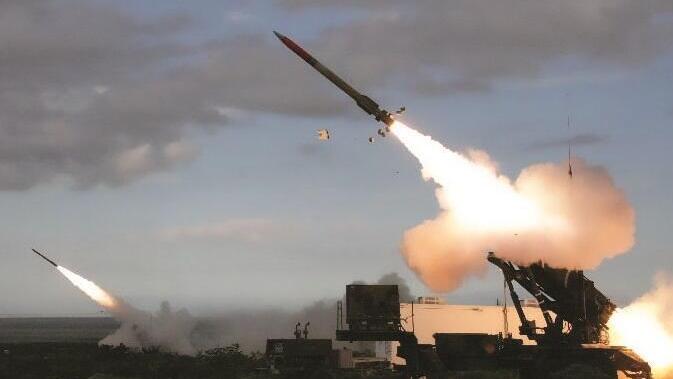
Patriot air defense system
(Photo: US Central Command)
U.S. stockpiles were already low due to the war in Ukraine and Operation Midnight Hammer, the U.S. bombing of nuclear facilities last year. For now, the Pentagon is prioritizing American needs. On Monday, Hegseth informed Estonia’s defense minister that he was suspending delivery of six HIMARS units — a light, precise and mobile artillery rocket system — that Estonia, a small country on NATO’s front line with Russia, had contracted to purchase.
Estonian officials said the delay, expected to last at least several months, was due to the war with Iran. Reuters reported that U.S. officials have conveyed similar messages to several other countries in Europe and Asia. The $1.5 trillion budget will ensure the United States “continues to field the strongest military in the world as we confront a complex threat environment,” Hegseth said. “The greatest challenge, the greatest adversary we face at this time, is the reckless, incapable and defeatist rhetoric of Democrats in Congress and some Republicans.”
However, Hegseth’s combative approach toward lawmakers is unlikely to secure the support he is seeking and may undermine his efforts. Meanwhile, defense industry companies are watching with concern. According to The New York Times, Lockheed Martin executives said the contractor will wait until the Pentagon secures funding before proceeding with expanded production.