

The 'Ashkelon hacker" - dual American and Israeli citizen Michael Kadar, 27 - was arraigned Monday in a federal court in Florida, after being extradited to the United States from Norway, where he had been detained at the request of the U.S. Justice Department. He traveled to Norway after serving seven years in prison in Israel for making terrorist threats to Jewish and non-Jewish institutions.
Kadar has been indicted in the United States for hate crimes and obstruction of the free exercise of religion committed against Jewish institutions throughout Florida, including schools and community centers. In addition, Kadar faces charges in the District of Columbia for threats made against the Israeli Embassy and the Anti-Defamation League Washington, D.C. offices and in the Middle District of Georgia for cyberstalking and conveying false information to police dispatch regarding an alleged hostage situation at a residence in Athens, Georgia.
According to a statement from the Justice Department, the indictment from the Middle District of Florida charges that, in early 2017, Kadar made multiple calls relaying bomb and active shooter threats to numerous Jewish Community Centers throughout Florida, including to preschool programs operated at those facilities. Additionally, the indictment charges Kadar with attempting to obstruct the free exercise of religion at the Jewish Community Centers when he made those threats. Many of the calls resulted in the temporary closure and evacuation or lockdown of the targeted facilities and required law enforcement and emergency personnel to respond to and clear the area, although no actual explosives were found.
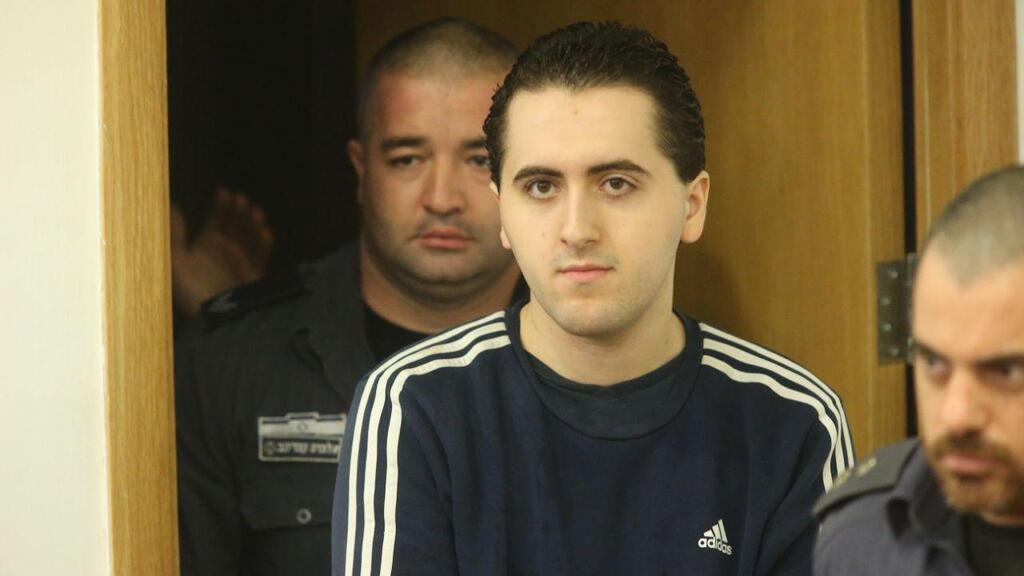
Kadar in an Israeli court in 2018
(Photo: Motti Kimchi)
Kadar will stand trial in Florida. If convicted, he faces up to 35 years in prison. According to the U.S. Justice Department, each hate crime count carries a maximum sentence of 20 years in prison, each bomb threat count carries a maximum sentence of 10 years and the interstate threat counts carry a maximum sentence of five years. In addition, the court could order him to pay restitution to the institutions and victims harmed by the threats.
“The alleged crimes stand out for their cruelty and for the harm they caused to the Jewish community,” said Assistant Attorney General A. Tysen Duva of the Justice Department’s Criminal Division. “When technology is exploited to terrorize houses of worship and community centers, it is an attack on religious liberty and public safety. We will never lose sight of the families, staff, and first responders who were forced to live with these threats.”
At least 245 threatening calls in US
The “Ashkelon hacker” case first became public in 2017, when the FBI made the unusual move of asking Israel’s Lahav 433 cyber unit to investigate. The teen at the time was found to have orchestrated bomb hoaxes, cyber intrusions, and widespread terror threats, using hacked systems to disguise his identity. The FBI reported in its 2017 complaint that Kadar made at least 245 threatening phone calls to Jewish community centers and Jewish schools throughout the country, as well as the national headquarters of the Anti-Defamation League. In addition, he made threats to airports, police stations and both Jewish and non-Jewish institutions in other countries.
According to the investigation, Kadar operated from his home in Ashkelon, which is why he was first tried in Israel. He used technological tools to conceal his identity and the origin of the calls, with investigators describing the use of phone number spoofing services, Google Voice accounts, various email addresses, proxy servers and Bitcoin payments. On his computers and on a USB drive seized from him, authorities found recordings of the threatening calls, articles about the response by authorities and the public, and a target list that included Jewish institutions and phone numbers. One file titled “list of Jewish schools” included schools in New York, Georgia, Alabama and Florida.
The case sparked widespread concern in the United States at the time over a wave of antisemitism targeting Jewish institutions.
Also to stand trial in Washington and Georgia
In parallel with the legal proceedings in Florida, Kadar is also expected to stand trial in the District of Columbia, where authorities accuse him of making threats against the Israeli Embassy in Washington and local offices of the Anti-Defamation League, and in the Middle District of Georgia, where he was indicted on charges of cyberstalking and transmitting false information to police about a fictitious hostage situation at a home in Athens, Georgia.
The extradition process against Kadar was completed on June 18, when he arrived in the United States from Norway. Kadar had left Israel after serving seven years of a 10-year sentence there. As part of Kadar’s fight against extradition to the United States, his attorney argued that he had already been tried and served his sentence for the acts for which the United States seeks to prosecute him, and also raised claims regarding his medical condition, including a diagnosis of autism and a brain tumor. According to the defense, Kadar’s prolonged detention in Oslo worsened his physical and mental health, and his suicide attempts were documented.