


The Home Front Command has recently disabled access for local authorities and reserve liaison officers to a civilian emergency management system used to track expected rocket impact zones, drawing anger from northern officials who say the move has left them operating under fire without a critical life-saving tool.
The system, known by its Hebrew acronym Shual, is a national home front command-and-control platform developed by the Home Front Command to synchronize emergency management among officials responsible for crisis response.
Gallery
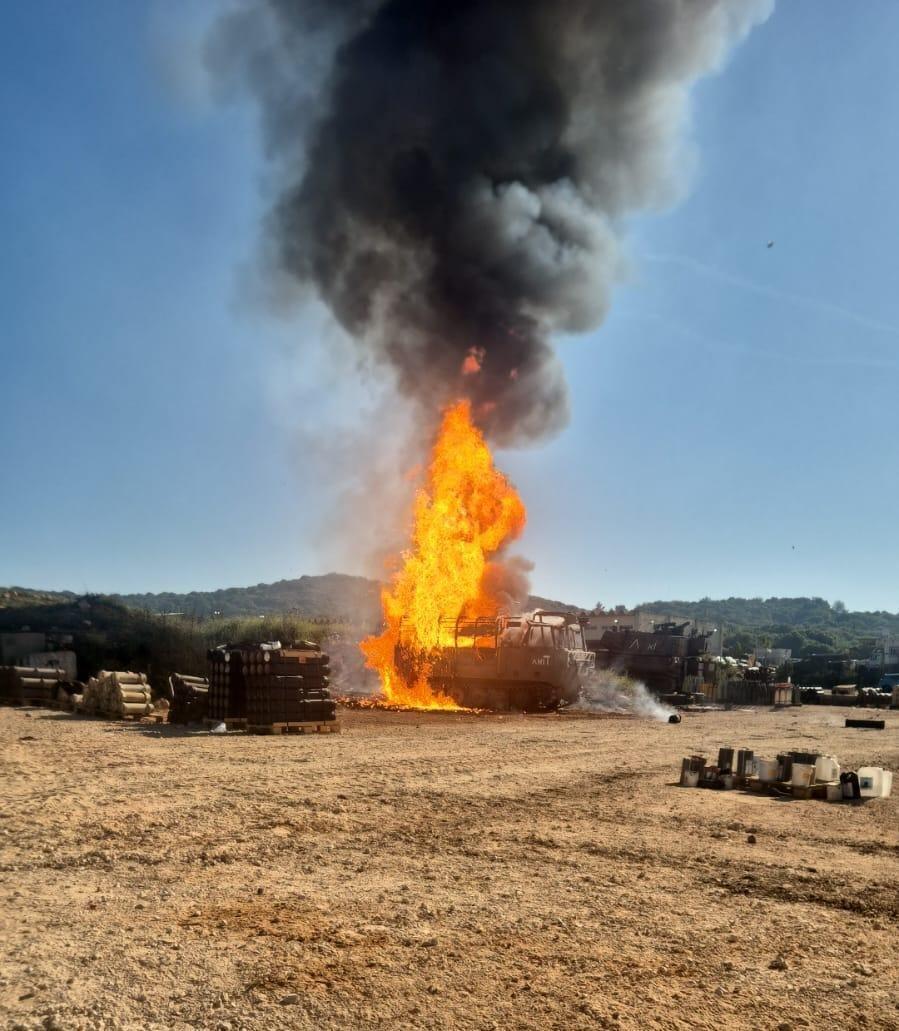
Aftermath Hezbollah drone strike on IDF staging ground in northern Israel
(Photo: from social media)
Its main advantage, local officials say, is its ability to predict and mark “polygons” showing expected impact zones. The system enables targeted early warnings and helps direct emergency forces to specific locations after rockets fall.
Until now, northern municipalities used the system to locate dangerous unexploded ordnance, dispatch search teams quickly and determine whether there were casualties.
The issue became clear last week, when Hezbollah again violated the ceasefire and fired rocket barrages from Lebanon at the communities of Baram, Dovev and Tzivon as students were being dismissed from schools. Unlike in previous incidents, security officials in the local council who had to manage the response in real time said they were left in the dark, unable to determine the scope of the barrage, its direction or whether explosions were interceptions or impacts in open areas.
The decision to remove access has sparked unusual anger among local government and security officials in the Galilee and Golan Heights, who warn that it could severely impair their ability to respond during missile fire.
According to assessments, the system was locked and permissions were reduced because of concern that information from it could leak to Iranian actors monitoring precise impact locations and Israeli alert systems in an effort to improve the accuracy and damage of future strikes. But local security officers and mayors say they have been left without a basic operational tool while under fire.
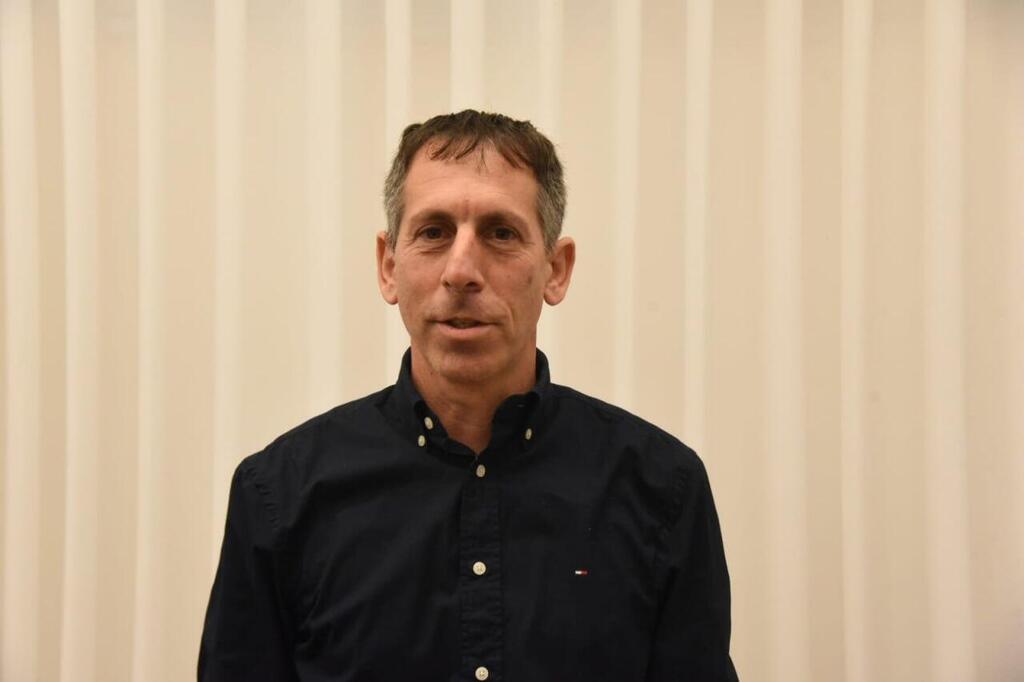
Upper Galilee Regional Council head Asaf Langleben
(Photo: Avihu Shapira)
In a sharply worded protest letter to Home Front Command chief Maj. Gen. Shai Kleper, Upper Galilee Regional Council head Asaf Langleben warned of “operational blindness” and expressed “deep frustration and shock at the arbitrary decision.”
“It is absurd that Hezbollah knows where it is firing, so at least we should also know and be able to deal with the incidents and the responses we are required to provide,” Langleben said.
In Kiryat Shmona, the most heavily targeted city in northern Israel, Mayor Avichai Stern also warned of the consequences.
“Shual is a critical, life-saving tool,” Stern said. “Leaving us without it means abandoning even more lives in an area where most residents already lack protection. Most of our residents are not protected, and now we are also not being given the ability to go out, rescue and save them during fire.”
A security official in Kiryat Shmona described the situation on the ground without the system as dangerous.
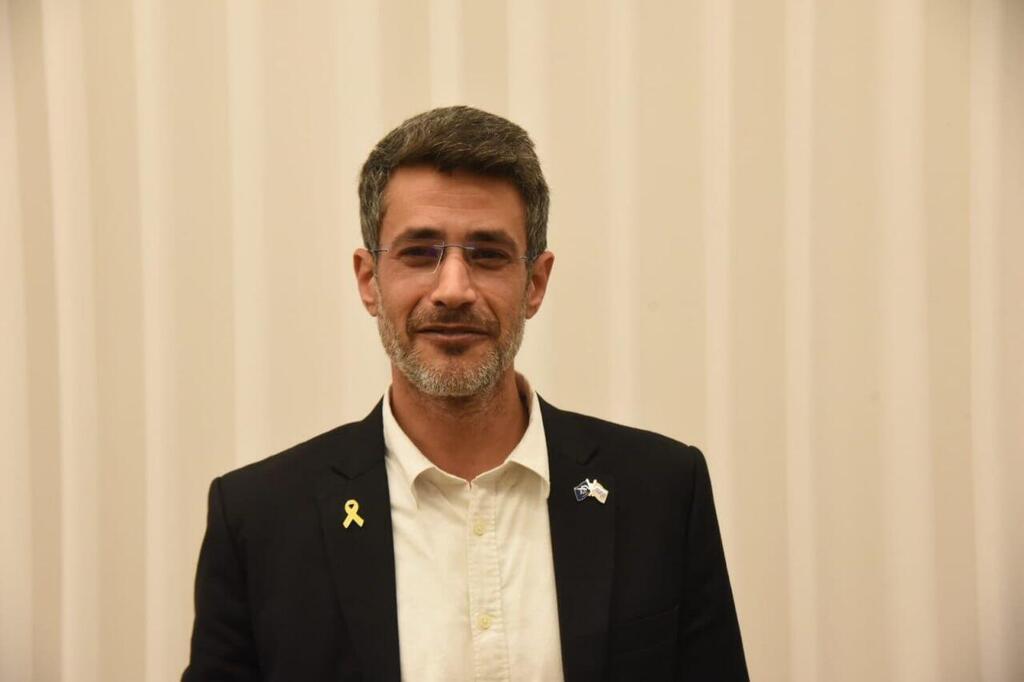
Kiryat Shmona Mayor Avichai Stern
(Photo: Avihu Shapira)
“Only during the latest sirens in Kiryat Shmona, during the ceasefire, when interceptor fragments fell across the city, we operated like blind mice,” the official said. “We saw with our own eyes how critical it is and how many lives it saved. When I don’t have this tool, I don’t know where to run. We are ahead of another round, Hezbollah will again target our homes, and our residents will pay the price.”
Regional councils along the confrontation line voiced similar frustration over what they described as a unilateral military decision made without prior coordination. They raised the issue with Kleper and Northern Command chief Maj. Gen. Rafi Milo during a meeting last week of the forum of border-area authorities.
“This is a life-saving tool,” said a security officer in one northern border community. “No one talks to us, explains or thinks they owe us answers. They simply cut us off.”
The officer said the military should have addressed any information security problem without shutting down access altogether.
“Instead of having a Home Front Command information security officer deal with the matter and plug the leak, they blocked it,” he said. “It may be true that the enemy sees and manages to obtain information you don’t want it to know. So disconnect all users, change passwords, restore it within three days and set confidentiality rules. But in the army, instead of dealing with how to stop leaks, they choose the easiest solution and close it off to everyone. They are irresponsibly choosing to punish us.”
The IDF said in response that access permissions and information layers in the civilian Shual system are reviewed and updated from time to time by authorized military officials, based on operational needs and information security considerations.
“The Shual system contains sensitive information, and during the war, cases were identified that required adjustments to procedures and reduced permissions in order to prevent harm to information security,” the military said.
The IDF said the changes included a shift to an alternative display method that allows more precise access to relevant information for different organizations.
It added that alerts, instructions and relevant public information are distributed through the official channels of the Home Front Command and the IDF Spokesperson's Unit.