


In 2012, after a trend that had lasted many years, the number of people killed in road accidents in Israel fell to 290. It marked the peak of an optimistic turnaround, following the 1990s, when fatalities were far higher and reached a record 709 in 1995. But the downward trend that began in the late 1990s, continued through the 2000s and into the early 2010s, has since reversed.
Since that positive peak 13 years ago, the number of road deaths has risen almost steadily, while the budget of the National Road Safety Authority has moved in the opposite direction, as government funds were diverted elsewhere.
Gallery
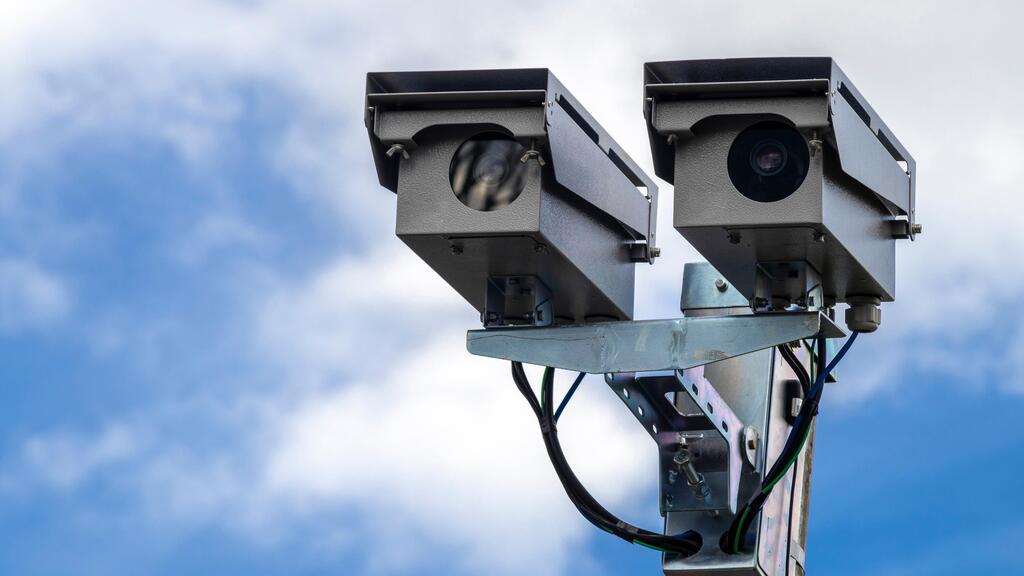
The ambition - 500 new speed cameras in 250 sections; illustration
(Photo: Alf Ribeiro/shutterstock)
Since the start of 2025, 436 people have been killed in traffic accidents nationwide. The year 2024, itself an exceptional year and the deadliest since 2007, ended with 439 fatalities, meaning 2025 is on track to surpass that grim record. Police and the National Road Safety Authority are now seeking to halt the deadly trend with a plan that includes new speed cameras to be deployed as early as next year, hundreds of additional traffic patrol cars, sharply tougher penalties for seven life-threatening offenses and targeted enforcement operations in high-risk areas.
The goal is to cut the number of fatalities by 25% within five years and by 50% within a decade.
To implement the first phase of the plan, speed cameras and expanded traffic patrols, 50 million shekels have already been allocated. Barring unexpected developments, the changes are set to begin next year. In addition, the government has approved 350 million shekels for the full plan starting in the second quarter of next year. That funding, however, depends on approval of the state budget in parliament and could still change, and it is unclear whether it will be renewed annually.
Cameras drivers cannot outsmart
The “orange boxes,” professionally known as A3 cameras, have been monitoring Israeli roads since 2013. Drivers caught speeding receive fines and points shortly afterward. The main problem is that drivers familiar with the roads, or using apps such as Waze, know where the cameras are and slow down only briefly before speeding up again.
The new cameras police plan to introduce by mid-2026 are intended to deter such behavior. They will be placed at two points along a road segment, which may stretch for several kilometers, and will calculate a vehicle’s average speed between the cameras. If the average exceeds the limit, a fine will be sent to the driver’s home.
The system is not without challenges, and deployment details remain unclear. On intercity highways, for example, drivers who realize midway that they are in a monitored segment may sharply reduce speed to lower their average, potentially slowing traffic and prompting dangerous passing. In urban areas, long segments with intersections and traffic lights may be less effective, since drivers can turn off before reaching the second camera. The expectation, however, is that drivers will not know the precise length of each segment and, over time, will adjust to slower driving. Police say cameras will be placed only where they are effective, ranging from a few hundred meters to several kilometers.
In recent days, police issued a tender to potential suppliers for hundreds of cameras. Gilad Cohen, director general of the National Road Safety Authority, said an initial 15 million shekels will be used for electronic enforcement, with a final plan for about 250 road segments equipped with 500 new cameras. In the first stage, 120 cameras are to be deployed and begin operating in the second quarter of 2026. If successful, an additional 20 million shekels will be invested to expand coverage.
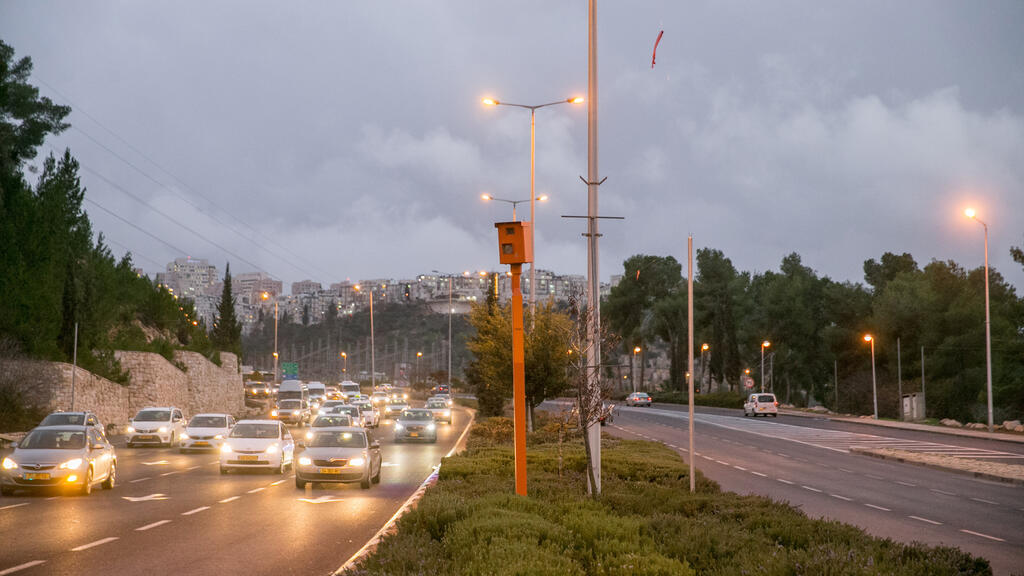
Speed camera at Ramot Junction, Jerusalem
(Photo: Ohad Zwigenberg)
“Worldwide, 80% of tickets are issued digitally without any encounter with a police officer,” Cohen said. “In Israel it’s the opposite. Most tickets are issued by an officer, and we are moving toward change. Speed cameras will change how tickets are issued in Israel. You can’t put a police officer at every intersection, so electronic enforcement can help restore driving culture.”
More patrol cars on the roads
Alongside electronic enforcement, the plan also calls for greater police presence on the roads, at least until digital systems are more widely deployed. With support from the road safety authority, 234 new traffic patrol cars have been added to police ranks, triple the previous number. Ninety-nine will be assigned to intercity roads, with the rest operating in and around urban areas. Police will also carry out targeted enforcement operations in accident-prone areas, focusing one week on electric vehicles in Tel Aviv and another on reckless driving on desert highways, rotating locations weekly.
Transportation Minister Miri Regev said recently that fines for using a mobile phone while driving could be raised to 10,000 shekels for a first offense, with vehicle confiscation for repeat violations. She said 80% of accidents are caused by human factors. Police, the Justice Ministry and the road safety authority are expected to present seven offenses most linked to accidents, along with proposed penalties.
Beyond mobile phone use, the offenses include running red lights, crossing solid lane markings, speeding, failure to yield, driving under the influence of alcohol or drugs and driving while license-suspended. Cohen said penalties would be significantly increased and could include license revocation and even on-the-spot vehicle confiscation for repeat offenders.
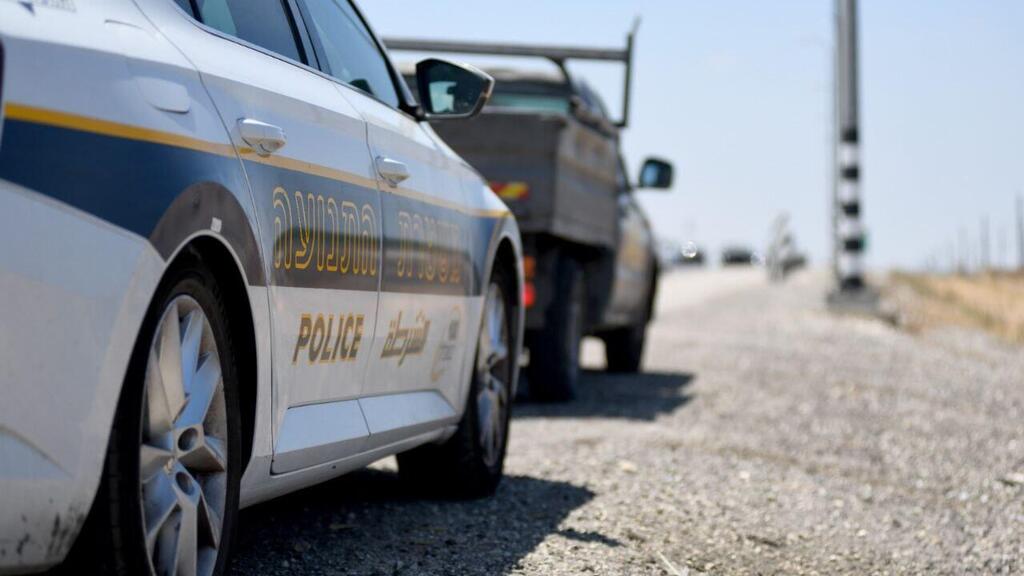
Will a police officer issue a fine of 10,000 shekels? Probably less
(Photo: Police Spokesperson)
“We found through research that to stop the trend, deterrence comes first,” Cohen said. “Today, these offenses result only in fines and points. If the consequences are extreme, the punishment must be extreme as well.”
Many elements remain under discussion and some will require legislative changes and parliamentary approval. A tenfold increase in the mobile phone fine, for example, is unlikely to pass as proposed, and a smaller increase or tiered penalties are more likely.
Changing driving culture
The national plan also emphasizes education and public awareness across all age groups. Ten million shekels have been invested in campaigns through local authorities, social media and collaborations with public figures. Police patrols will also engage in public outreach. New training programs for motorcyclists and school education on electric scooters and bikes are also planned.
In parallel, the “Safe Cities” program aims to reduce urban speed limits to 30 kilometers per hour. Tel Aviv Mayor Ron Huldai recently announced adoption of the initiative, with Haifa expected to join.
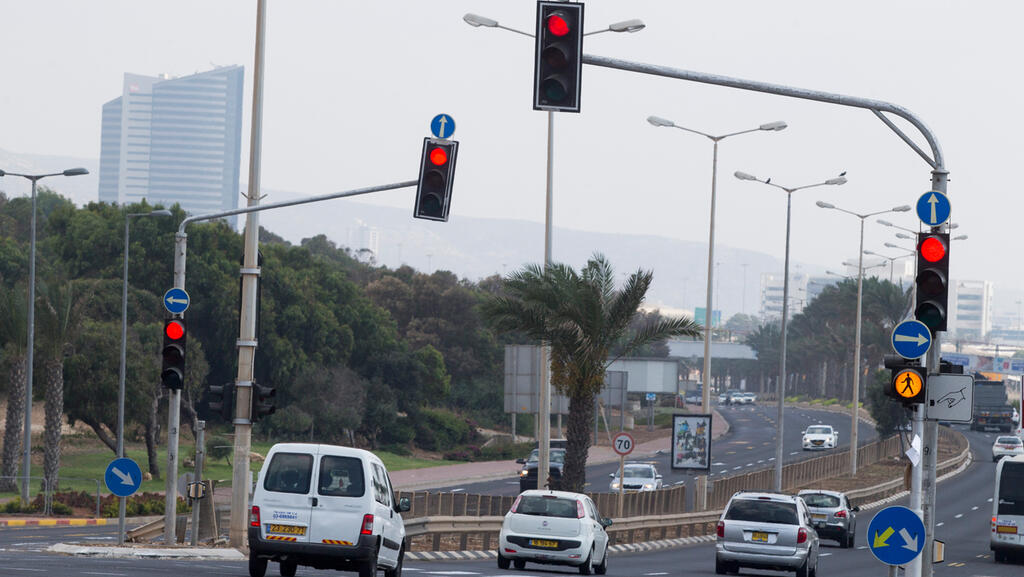
Running a red light - one of the seven offenses for which the punishment will be increased
(Photo: Gil Nehushtan)
The full road safety authority plan is scheduled to begin in April 2026, pending parliamentary approval of the state budget. Past experience, however, tempers expectations. Over the past two decades, several large-scale plans produced only temporary or partial success, mainly due to inconsistent funding. Promised budgets were often cut, enforcement weakened and infrastructure investments left incomplete.
Each interruption led to a renewed rise in fatalities, raising doubts about the current plan as well. This time, officials at the road safety authority say, they hope politicians will keep their promises.