


Human smuggling from Syria into Lebanon has returned to the headlines in Lebanese and Arab media in recent weeks, adding another major challenge for the Lebanese army as it struggles to control a long and porous border. Some of those crossing intend to remain in Lebanon, while others use the country as a transit point on their way to Europe.
The issue comes as the Lebanese military is already contending with continued tensions in southern Lebanon, efforts to expand state control there and attempts to restore a degree of stability while Hezbollah continues to reject demands that it disarm.
Watch another episode of Lior Ben Ari’s ‘Ya Allah’ series


On September 24, Lebanon’s Al-Jadeed television aired footage showing people crossing mountainous terrain in the northern Akkar region. “Dozens of people cross the border almost every day, amid continued activity by smuggling networks and fears that the severe humanitarian and economic situation is being exploited,” the channel reported.
It was not clear exactly when the footage, which was also circulated by other Lebanese and Arab outlets, was filmed or who recorded it, but it renewed debate over the phenomenon.
A day later, the Saudi newspaper Asharq Al-Awsat reported, citing a Lebanese military source, that human smuggling from Syria had again moved high on the Beirut government’s agenda after information emerged that networks had recently resumed operations.
The source stressed, however, that the activity remained limited and was not exceptional. “What is happening falls within the framework of limited, ongoing operations through illegal crossings,” the source said. “The army is carrying out its duties in monitoring the border, but the intermingling of Lebanese and Syrian villages and the length of the border make full control extremely difficult. This is a problem many countries around the world suffer from.”
Gallery
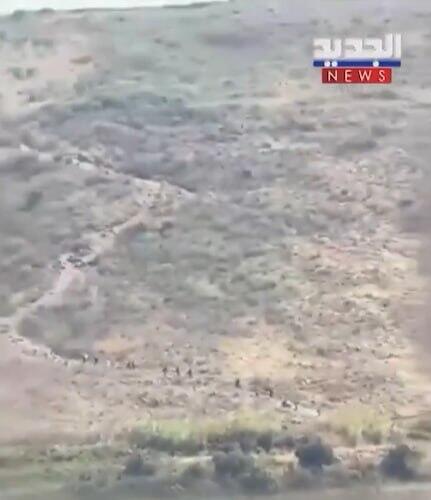
Footage from September showing migrants crossing mountainous terrain from Syria into northern Lebanon
Lebanese lawmaker Jimmy Jabbour, who represents the northern Akkar region, told Asharq Al-Awsat that human smuggling between Syria and Lebanon had not stopped after the fall of the former Syrian regime and had at times even increased.
He said one reason was that legal entry into Lebanon requires special authorization from the country’s General Security agency. Jabbour said the smuggling creates a heavy economic and social burden for Lebanon and also carries security risks. Terrorist elements, he warned, could enter the country under cover, including by claiming they were simply looking for work.
On September 29, Lebanese media reported an accident involving Syrians who had been smuggled into Lebanon across the country’s northern border. A passenger bus carrying them veered off the road near the village of Ghalboun in Mount Lebanon and plunged into a ravine. According to the reports, 14 Syrian nationals were aboard. One was killed and the others were injured.
Lebanese newspaper An-Nahar reported that after Syrians cross the border, smugglers often move them along mountain roads using off-road vehicles, medium-sized buses or small trucks in an effort to bypass security checkpoints set up to stop the traffic.
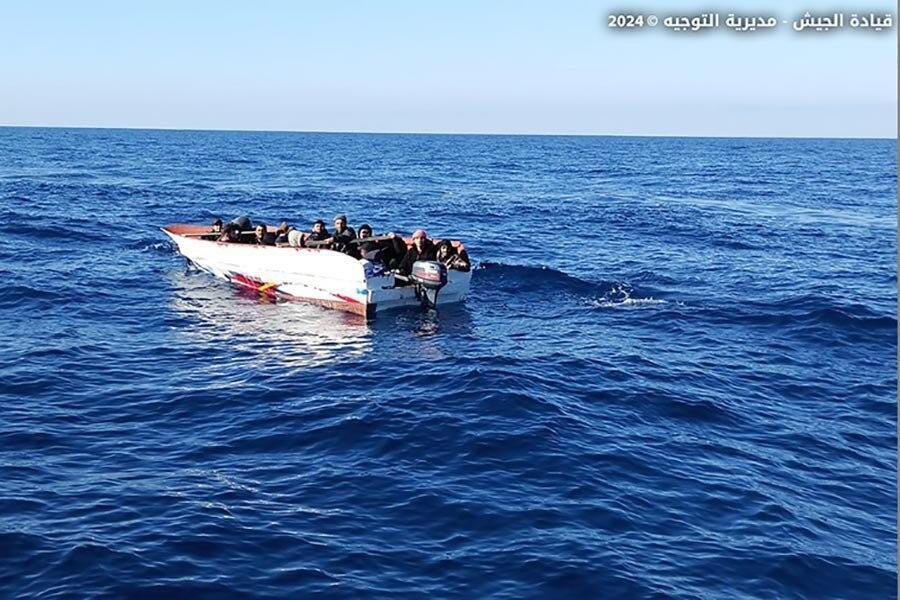
A migrant boat previously spotted near Cyprus after sailing from Lebanon
An-Nahar reported on September 25 that, according to information it had obtained, smugglers charge between 150 and 200 dollars to bring one person from Syria into Lebanon. “With at least 20 people smuggled on each trip, the smuggler earns about 4,000 dollars from a single journey,” the newspaper reported.
A security source quoted by the newspaper did not deny that people were being smuggled from Syria, but pushed back against reports suggesting the crossings had become a daily mass phenomenon. “The situation is not as it has been portrayed in recent days, and it is not correct to say that this happens every day,” the source said.
The source said such smuggling had existed for many years and was a problem common to borders around the world, arguing that the scale of the issue should not be exaggerated. According to the source, Lebanese security agencies are working to stop the crossings, which often develop into maritime smuggling journeys toward Europe, though not always. In some cases, the source said, the person crossing may simply be a Lebanese citizen who left the country illegally and is seeking to return to family.
The source added that controlling the land border is an enormous challenge and can only be achieved through security cooperation between Lebanon and Syria, an effort that began several months ago but still requires further development because of the border’s length.
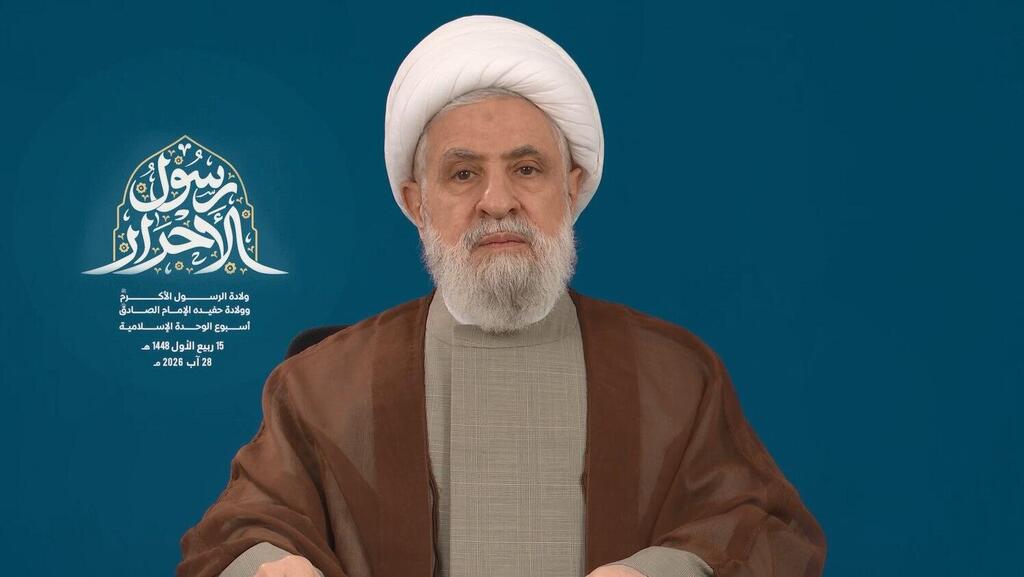
Hezbollah Secretary-General Naim Qassem
On September 8, the Lebanese army said the country’s navy rescued 23 people from a boat that broke down off the coast of Tripoli in northern Lebanon during an attempted smuggling voyage. The operation was carried out in cooperation with the Lebanese Air Force, Civil Defense, the Lebanese Red Cross and other civilian organizations, according to the army.
Qatar-based Al-Araby Al-Jadeed reported at the time that the incident came amid repeated attempts at irregular migration from Tripoli, one of the Lebanese areas hit hardest by the country’s economic and social crises.
Since Lebanon’s economic crisis deepened in 2020, the city has become a major departure point for migrant boats crossing the Mediterranean, the outlet reported, contributing to repeated deadly sinkings. Lebanese and Syrian migrants, it said, continue to risk their lives at sea in search of better opportunities abroad. Human smuggling is only one part of the broader challenge along the Lebanon-Syria border.
For years, authorities have also contended with attempts to move weapons, ammunition and drugs through both legal and illegal crossings, some of which have repeatedly been targeted over alleged weapons transfers to Hezbollah. The concern over people-smuggling is therefore not only economic or humanitarian. Lebanese officials also view uncontrolled movement between countries as a potential security threat.
Lebanese President Joseph Aoun recently stressed the need to strengthen the army’s ability to enforce state authority. “It is essential to provide the Lebanese army with the necessary resources to expand the authority of the state, given the extensive missions it carries out outside the south, including combating terrorism and smuggling, securing the eastern and northern borders, preserving civil peace, protecting institutions and more,” he said.