


For the commander of IDF Air Force squadron 107, Lt. Col. A, a mission over Iran was always in the background. Toward the end of 2024, he said, the decision was made to take the fight to Iran with a widescale operation, but only hours before the order was given, he realized what his next mission would be.
"We've been preparing for missions over Iran for the past 30 years," A said. "We trained for this specific operation for the past month." On the days leading up to the attacks, the pilots became aware that something was in the works but did not fully understand what, before Thursday morning. Air Force Chief Tomer Bar gathered his squadron commander for an advanced briefing, but the exact time was unknown until late that night.

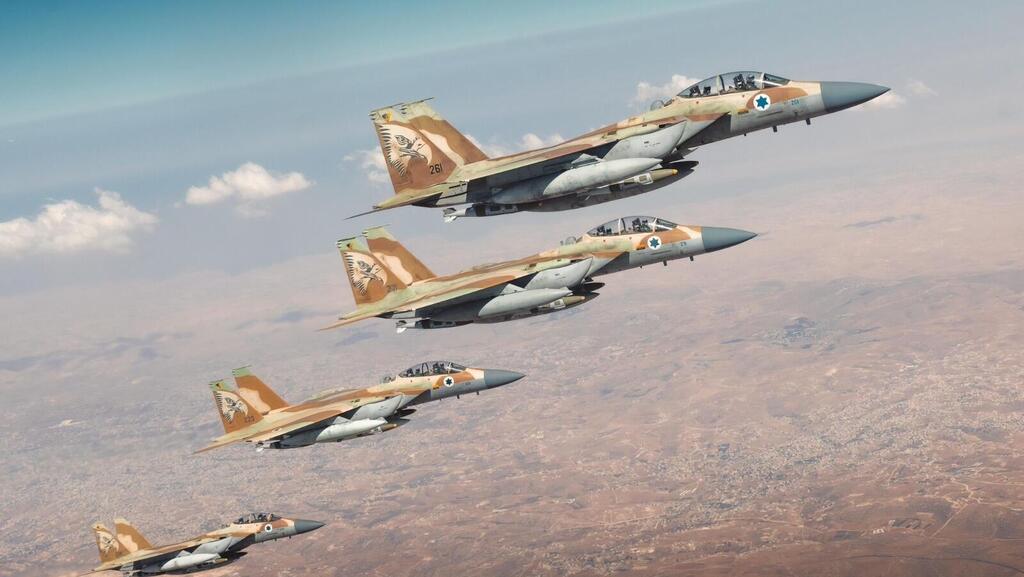
Air Force fighterjets take off to attack Iran
(Photo: IDF)
"There was a lot of tension. The technical teams prepared the aircrafts and the bombs and we checked them. The flight teams went over the operational plans and the potential scenarios." The pilots also prepared for the possibility that they would be shot down and taken prisoner. "Those are some of the risks," he said.
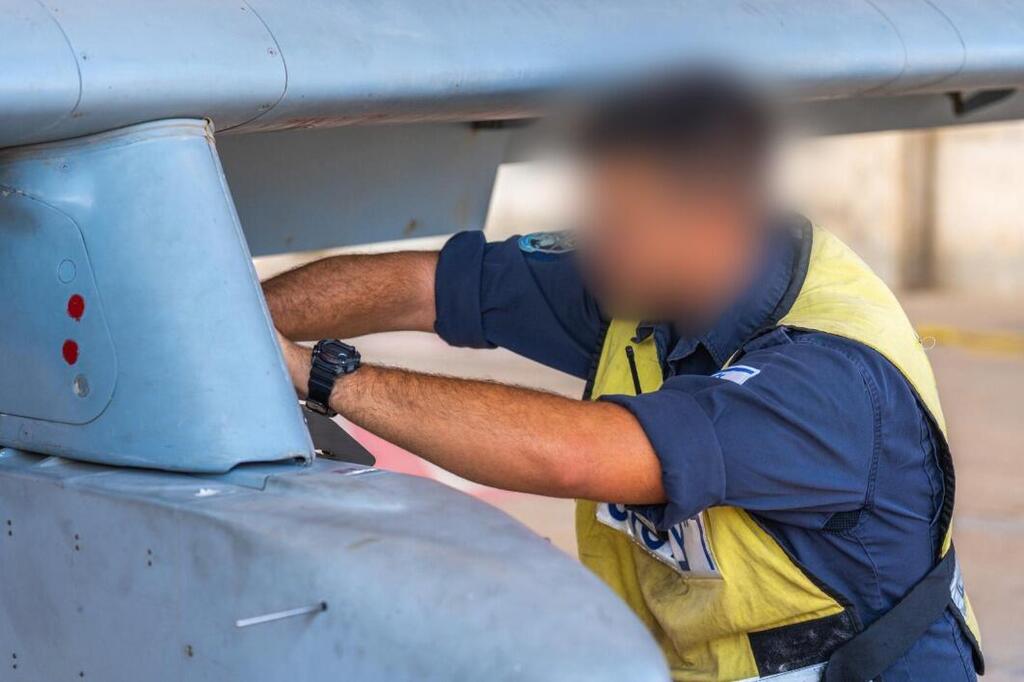
Technical teams prepare fighter jets for their mission over Iran
(Photo: IDF)
Air Force jets refuel mid-air over Syria on the way to Iran


The bombing raid in Iran began at 2:55 am on June 13. Most of the Air Force was involved. The exact strikes on the Iranian aerial defenses and their ballistic missiles debilitated the Iranians and prevented an effective response to the attack for long hours.
"We did not know if we would be able to carry out our complete mission, if we were detected and were pleasantly surprised, but that was because of the massive attack on the enemy's vulnerability."
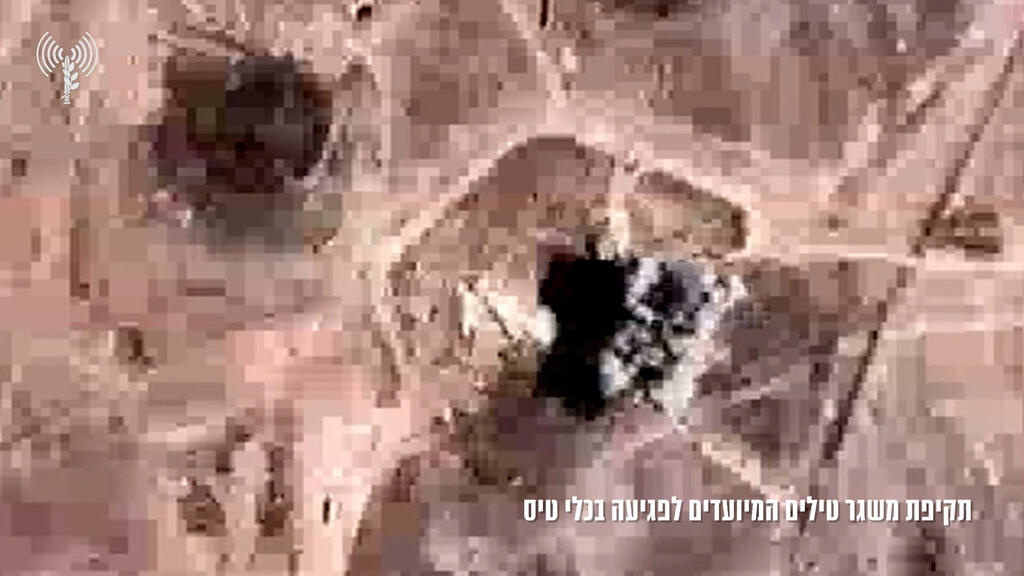
IDF images of strikes on targets in western Iran
(Photo: IDF)
Since the ceasefire, the squadron is again focusing on Gaza, where the mission remains clear. "Destroying Hamas, returning the hostages and ensuring the security of border area communities," he said, adding that strikes on Hamas targets in Gaza were carried out during the 12 days of fighting in Iran. He said there is no shortage of munitions to complete the mission.