


Less than a month before the general election, with most polls showing no clear majority for either political bloc, parties are already preparing for the first battle after the vote: control of the Knesset.
The anti-Netanyahu bloc is working to coordinate a parliamentary move to replace Knesset Speaker Amir Ohana immediately after the election. The aim is to take control of the legislature during the period before a new government is formed, including in a scenario in which Israel heads to another election.
Gallery
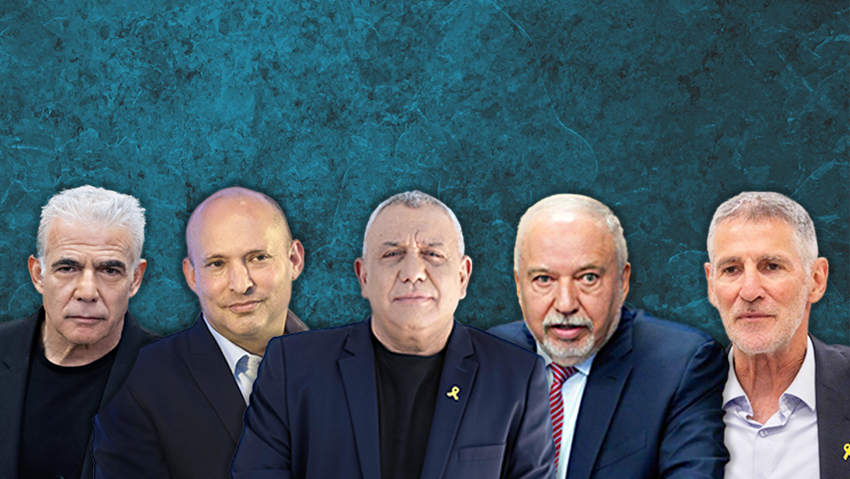
With electoral deadlock possible, anti-Netanyahu bloc targets control of Knesset after election
(Photo: Shalev Shalom, Yair Sagi, Yuval Chen, Alex Kolomoisky)
Following Saturday night’s meeting between Gadi Eisenkot, Avigdor Liberman, Yair Golan, Naftali Bennett and Yair Lapid, joint working groups were established to draft the principles of a possible government and determine which steps should be taken immediately after the election. One of those teams is now working to coordinate the effort to replace Ohana.
Likud leaders and Prime Minister Benjamin Netanyahu’s office, meanwhile, have held consultations on possible countermeasures. Their goal is to delay any replacement of Ohana until a new government is formed, allowing Likud to retain control of the Knesset during the interim period.
Under Israeli law, the incumbent Knesset speaker can remain in office during the transition, and the election of a new speaker must take place no later than the formation of the new government. In practice, that could allow Ohana to remain in the post for as long as two months.
But a 2020 Supreme Court ruling involving then-speaker Yuli Edelstein established that if 61 lawmakers demand a vote on appointing a new speaker, the vote must be held immediately, even before a government is formed.
The anti-Netanyahu bloc views replacing the speaker as a parliamentary move rather than the formation of a government, and therefore intends to coordinate it with the Arab parties, Ra’am and the Joint List. MK Ahmad Tibi has already said in an interview that he would support replacing Ohana with a candidate backed by the anti-Netanyahu bloc.
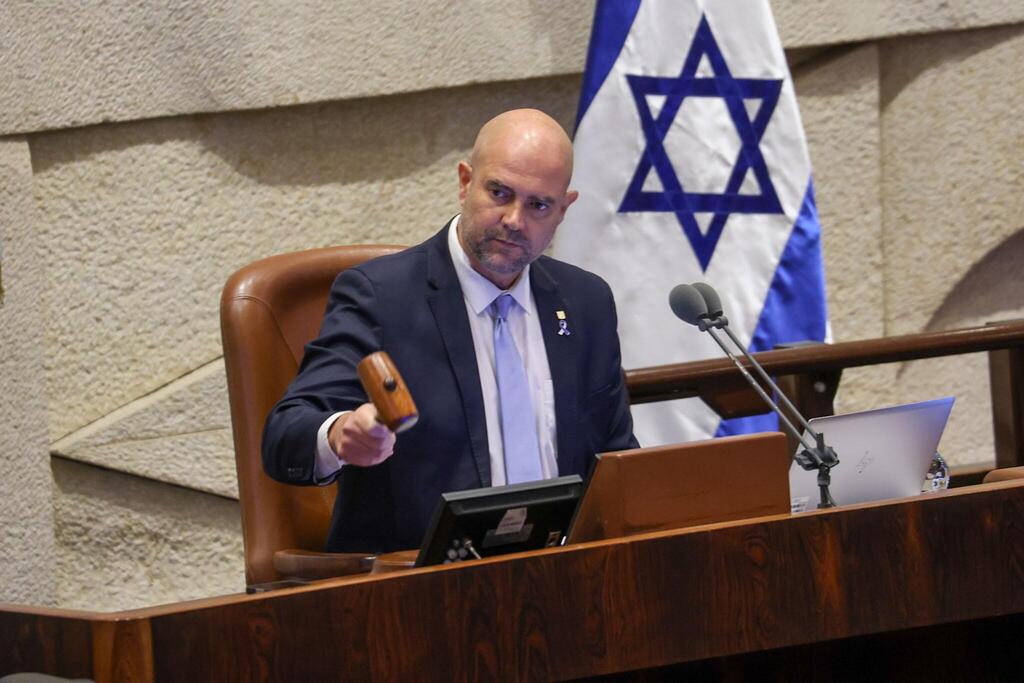
Knesset Speaker Amir Ohana
(Photo: Danny Shem Tov, Knesset Spokesperson's Office)
Electing a new Knesset speaker before a government is formed would give the bloc control over the legislative agenda and influence over which bills are brought to a vote.
That could become particularly significant if coalition talks fail and another election is called. A new speaker could seek to advance legislation backed by the bloc, including a law establishing a state commission of inquiry into the October 7 massacre and legislation limiting a prime minister to two terms.
Passing such laws, however, would still require a parliamentary majority that may not exist. Replacing the speaker is considered a procedural parliamentary step, while some lawmakers who support that move could still oppose advancing contentious legislation during a transition period.
Figures in the anti-Netanyahu bloc involved in the discussions told ynet and Yedioth Ahronoth that “if necessary, replacing the Knesset speaker will be the anti-Netanyahu bloc’s way of testing the possibility of forming a minority government if there is no clear result, while gauging the public’s response.”