

Brig. Gen. Tzuri Sagi, one of the veteran figures of the IDF’s early generations and a former secret military adviser to Kurdish rebels in Iraq, was laid to rest Thursday at the cemetery in Tel Mond.
Sagi, known to friends by the nickname “Shenkin,” died Wednesday at the age of 92. His military career spanned more than three decades, from the reprisal operations of the 1950s through the Sinai Campaign, the Six-Day War and the Yom Kippur War, as well as clandestine missions in Ethiopia, Iran and Kurdistan.
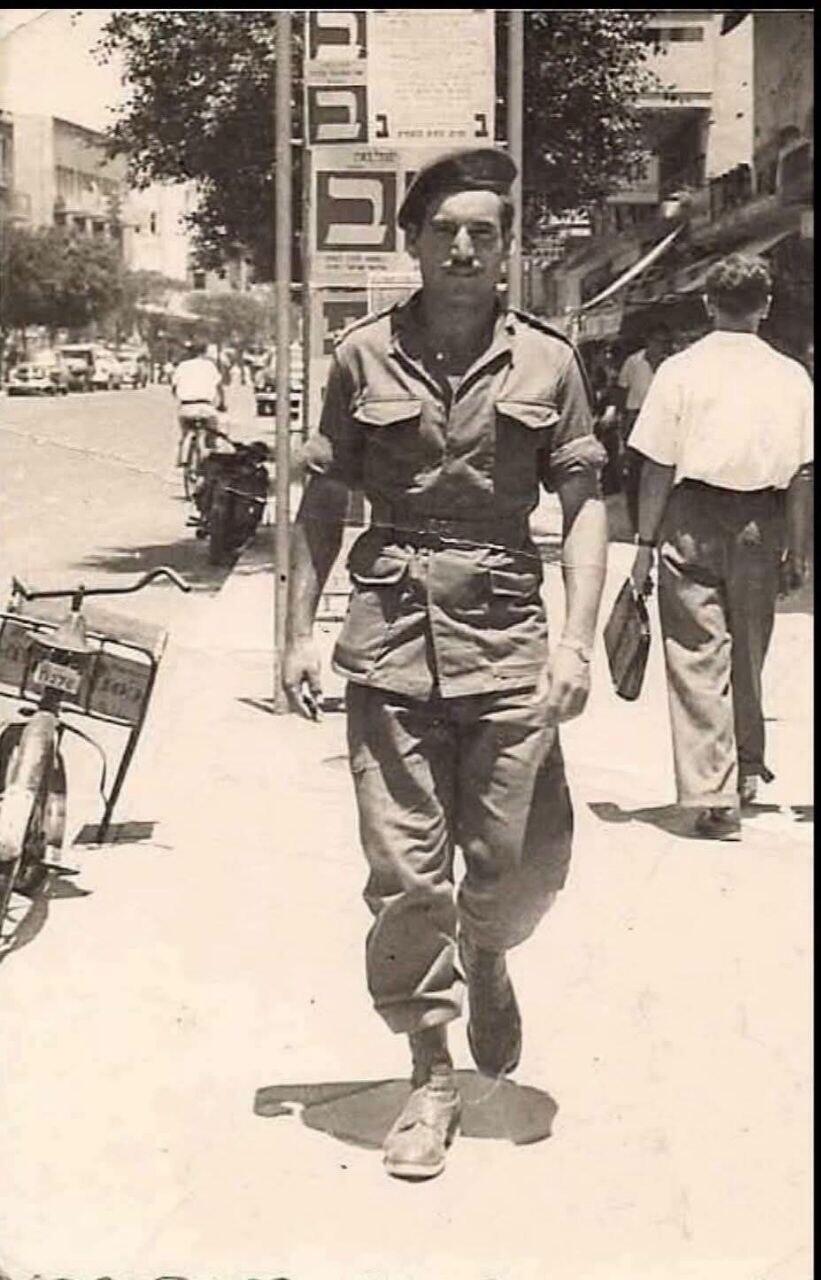
He is survived by his wife, Tzipa, and their son Yair.
Hundreds attended the funeral, including former IDF chief of staff Moshe “Bogie” Ya’alon, retired generals Tal Russo, Uri Sagi, Yitzhak Mordechai, Yoram Yair, Amos Yaron and Matan Vilnai, former police commissioner Assaf Hefetz, Omri Sharon, Hilik Magnus and generations of paratroopers.
Sagi’s widow addressed the mourners briefly.
“Tzuri loved you in his way, and he loved the country very much,” Tzipa said. “Thank you very much, Tzuri, for everything.”
His son, photographer Yair Sagi, delivered a tearful eulogy.
“My father had many good friends,” he said. “He always told me: Be with friends, always help everyone. That was very important to my father. He loved people, loved the land and was a hardworking man.”
His grandchildren Zohar and Dror described him as “the best and bravest grandfather” and “a walking history book.”
“My greatest pride,” they said. “He was afraid of nothing except Grandma, and together they taught me what love is.”
‘A legend from the IDF’s generation of giants’
Friends described Sagi as a brilliant and daring officer who volunteered for difficult missions and was always ready to help others.
Retired Maj. Gen. Amos Yaron, one of Sagi’s closest friends, recalled listening on the way to the funeral to Shalom Hanoch’s song “Etz Hasadeh,” or “The Tree of the Field.”
“Tzuri really was like a tree of the field, a legend from the generation of giants of the IDF,” Yaron said. “To speak about him is to speak about a generation that is disappearing.”
“He was a brave fighter and always showed courage toward his friends and his commanders. He was the one who evacuated Raful from the battlefield.”
Yaron also spoke of their nearly seven decades of friendship.
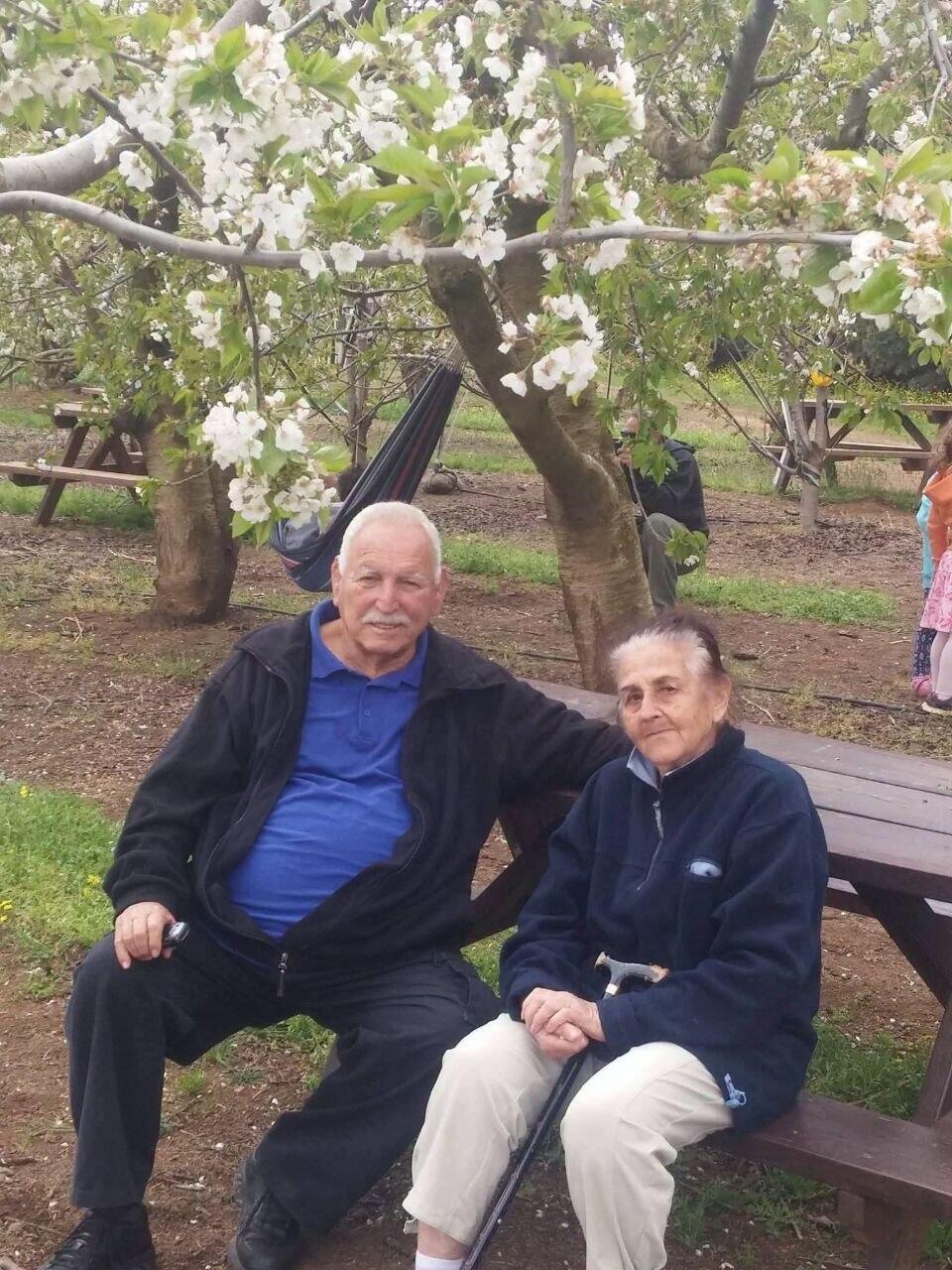
Tzuri and his wife Tzipa
“He was an extraordinary friend, loyal and never angry,” he said. “I’ve known him for almost 70 years. We both live in the Paratroopers neighborhood. I will miss you very much, your judgment and your wisdom.”
Sagi was born in Herzliya and grew up in Moshav Ein Vered. His 32-year military career began in 1952, when he joined the IDF and served in Unit 101 and Battalion 890.
During that period, commanders were tested in reconnaissance missions across the border. Sagi, then a sergeant and platoon commander, became known for his boldness and innovative approach to field reconnaissance.
He later attended officers’ training and took part in a series of reprisal operations.
During the 1956 Sinai Campaign, he commanded Company C in Battalion 890 and fought in the Battle of the Mitla Pass, one of the engagements most closely identified with the Paratroopers Brigade during the war.
From 1959 to 1960, Sagi commanded the Paratroopers reconnaissance unit and later served in several brigade positions, including intelligence officer.
He was then sent to Ethiopia, where he helped train local military officers. After returning to Israel, he continued rising through the Paratroopers and was appointed deputy commander of the airborne Nahal unit.
From 1963 to 1965, he commanded Battalion 890, the same battalion in which he had earlier served as a fighter and commander.
In the early 1960s, he was also sent to Iran, then a close Israeli ally under the shah, where he helped organize the defense of oil installations in the Persian Gulf.
During the Six-Day War, Sagi was part of an airborne force tasked with capturing Sharm el-Sheikh, which ultimately fell without significant fighting.
After the war, he served as deputy commander of the Paratroopers Brigade, participated in the Battle of Karameh and later became operations officer of Central Command.
Israel’s secret mission in Kurdistan
Despite his identification with the Paratroopers Brigade, one of the defining chapters of Sagi’s public legacy took place far beyond Israel.
He was sent to Iraqi Kurdistan as part of Israel’s covert assistance to Kurdish rebels led by Mustafa Barzani in their struggle against the central government in Baghdad.
Sagi initially trained Kurdish officers and fighters in specialized military courses and in 1966 became head of Israel’s military mission in Kurdistan.
Among the Kurds, he became a legendary figure.
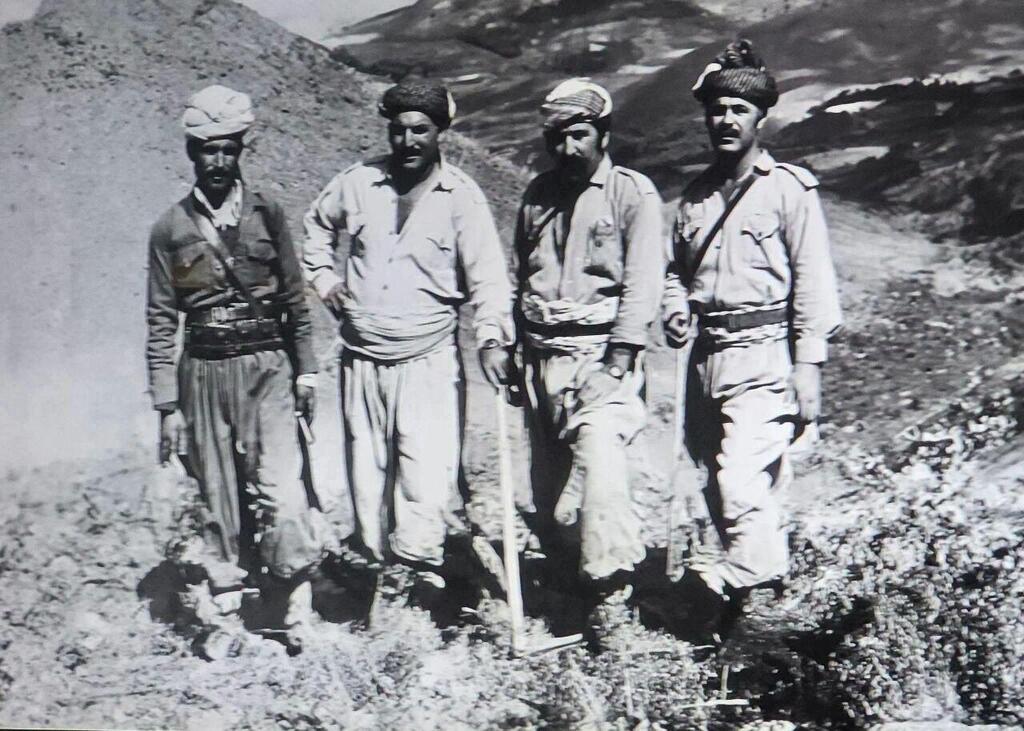
Sagi with the Kurds in Iraq
Serving as an IDF military adviser to the forces of Kurdish leader Mullah Mustafa Barzani, Sagi developed a particularly close relationship with Barzani, who reportedly regarded him as a brother.
Sagi identified weaknesses in Kurdish combat methods and helped adapt more advanced defensive and offensive military concepts to their needs, earning deep respect among the fighters and commanders he advised.
After 32 years of military service, Sagi retired in 1984 and returned to the fields of his farm in Kfar Hess, where he had lived since marrying Tzipa, a native of the moshav.
For Sagi, farming was more than a livelihood. Working the land became a way of life and a substitute for physical training, while also reflecting values he had carried throughout his military career.
He remained closely connected to friends from his years of service and became a central figure in a group known as the “Ainda gang,” whose members met every month to sing songs about Israel and the land.