

A visit by the U.S.-funded Arabic-language network Alhurra to southern Lebanon has sparked significant reaction in recent days. The reason: the network’s correspondent, Yahia Kassem, unusually entered the operational zone alongside Israeli troops. The fact that he interviewed the incoming IDF Arabic-language spokeswoman, Lt. Col. Ella Waweya (“Captain Ella”), from the southern Lebanese village of Khiam, further fueled discussion in Arab media circles about the coverage.
Khiam lies about 4 kilometers (2.5 miles) from the Israeli border in the eastern sector of southern Lebanon near Metula. The IDF operates regularly in the area, as it does along the rest of the border strip, in an effort to uncover Hezbollah terror infrastructure, tunnels and weapons depots that Israel says pose a threat to its territory.
The interview in southern Lebanon that sparked outrage


Alongside video from Kassem’s visit to the village last week, Alhurra wrote: “In Khiam, it appears the war has not ended despite the ceasefire along the Lebanon-Israel border and ongoing talks between the Lebanese and Israeli governments under U.S. sponsorship. The scale of destruction documented by Alhurra’s camera raises more complex questions about the fate of residents and whether those displaced from southern villages to safer areas in northern and central Lebanon will be able to return to their homes soon, or at all.”
The report also stated: “Israel, which invaded southern Lebanon last March after Hezbollah opened fire in support of Iran, is trying to establish control over territory extending up to 10 kilometers (6 miles) into Lebanon. It destroyed Lebanese villages, claiming its goal was to protect the north.”
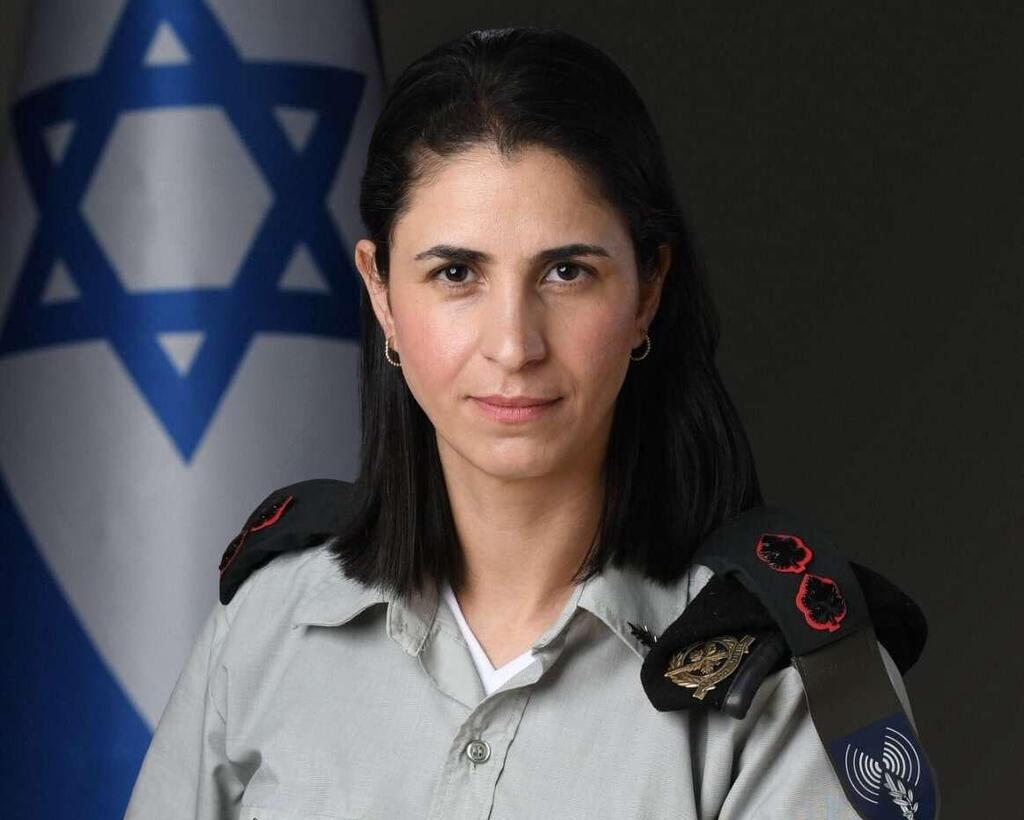
In the report, Kassem asked the IDF Arabic-language spokeswoman: “Is Israel not respecting the ceasefire agreement?” Waweya responded that as long as there is a threat to northern Israel, military activity in southern Lebanon will continue. Kassem also cited the number of Lebanese killed since the ceasefire took effect, noting that Israel says those targeted were linked to Hezbollah and its military activity.
In a conversation with ynet, Kassem elaborated on his recent reporting from southern Lebanon, which also included accompanying Israeli troops into a Hezbollah tunnel. He said he was simply presenting facts on the ground.
“There is a tunnel beneath a clothing store intended to allow Hezbollah operatives to stay there for a certain period before carrying out attacks,” he said. “When the IDF enters southern Lebanon and says, ‘I’m entering because of Hezbollah,’ in the Arab world it is perceived as propaganda, as something untrue. I came and showed that it is true, that the IDF entered because there is a specific threat.”
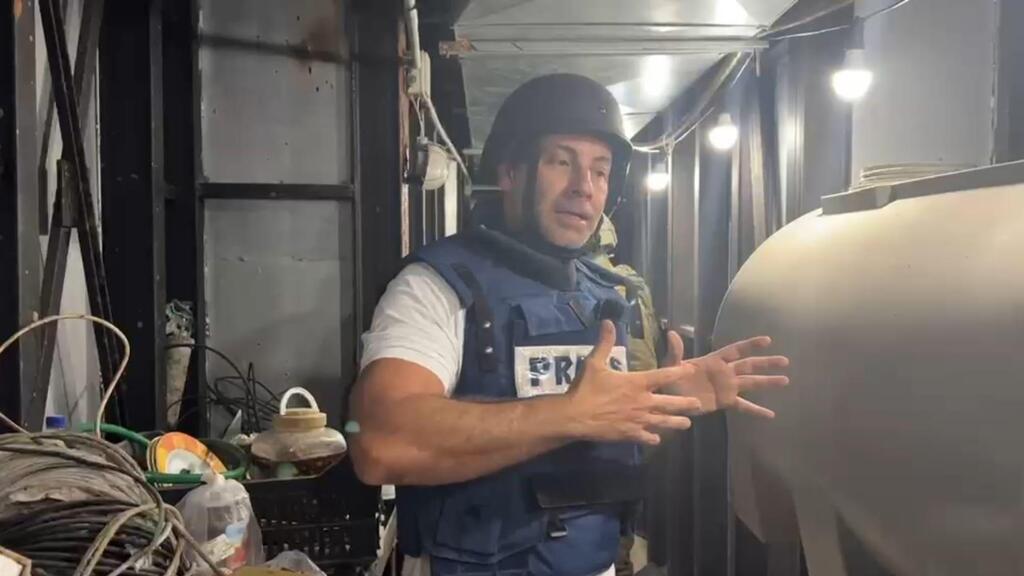
Kassem in a Hezbollah tunnel
(Photo: Alhurra)
He said reactions to his report on the tunnel came from both sides.
“Some said it proves Hezbollah uses civilian locations to carry out operations against Israel with Iranian funding, while others were disturbed by it and wrote various responses,” he said. “What matters to me is the truth. I saw with my own eyes that there is a tunnel. I saw that money and resources were invested in it, and I understand that ultimately it also harms the Lebanese.”
Kassem added: “I produced two reports. The first was about the total destruction in Khiam. I raised questions such as whether the residents of Khiam can return there or not. At the same time, I talked about it being a Hezbollah stronghold. The next day, I did another report from inside the tunnel and exposed things that many Arabic-language media outlets are unable to show because they know they will receive reactions like the ones I got. It’s easier to be populist and broadcast what people like to see and hear. I’m not coming from that place.”
According to Kassem, media outlets often avoid presenting challenging material or reports that may provoke criticism.
“To bring only what is popular with everyone is unacceptable and not my goal,” he said. “I’m a journalist who seeks to expose things and present facts, and that’s what I did.”
‘Translating the Israeli narrative into Arabic’
For Lebanese journalist Majdoline al-Shammouri, who writes for the Qatari newspaper Al-Araby Al-Jadeed, the question Kassem posed to the IDF spokeswoman was insufficient. According to al-Shammouri, the question was presented to Waweya “in a weak manner, more akin to a request for clarification than a real interrogation.”
In criticism published yesterday in the Qatari newspaper regarding Kassem’s reporting from southern Lebanon, al-Shamouri wrote: “What Yahya Kassem presented from the occupied village of Khiam in southern Lebanon bears no resemblance to journalism.”
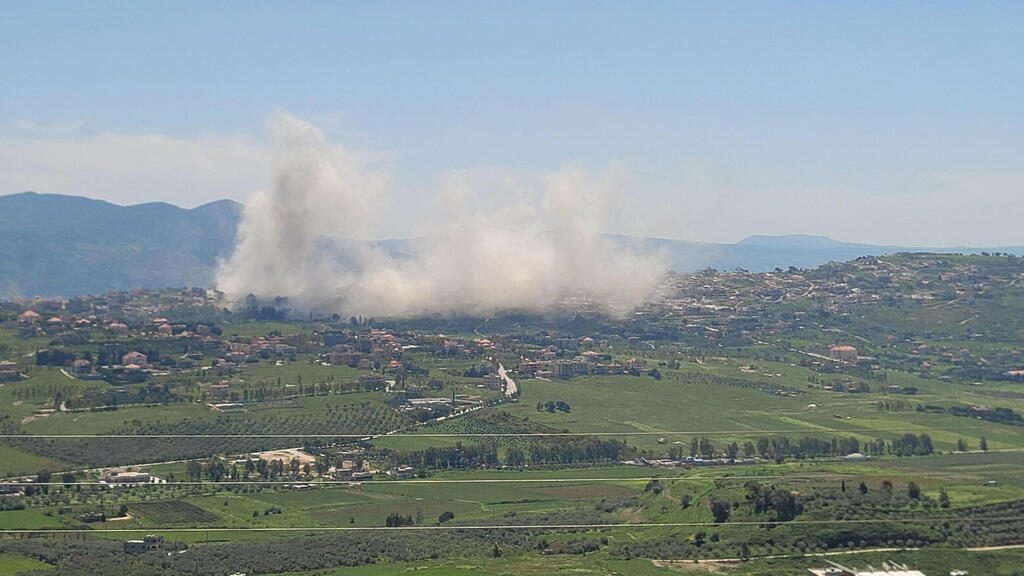
An Israeli strike on the village of Khiam
(Photo: AFP)
She argued it was “blatant propaganda for the Israeli army, constructed entirely from the perspective and vocabulary of the occupation,” and then “repackaged for the Arab viewer devoid of any critical thinking,” with the aim of “marketing the Israeli army’s evidence to the Arab audience.”
Al-Shammouri concluded: “This is not journalistic coverage from the heart of the war, but rather a translation of the Israeli military narrative into Arabic.”
Additional online discussion surrounding Kassem’s reporting included a range of reactions. Some argued the coverage further proved Hezbollah uses residents of southern Lebanon as human shields and is responsible for the destruction in the region. Others criticized Kassem for joining IDF operations.
One user wrote on X: “Alhurra channel ‘reporter’ Yahya Kassem entered the village of Khiam accompanied by the enemy army and conducted an interview with its spokeswoman.”
The Alhurra coverage and the reactions that followed again highlighted the importance Israel places on Arabic-language public diplomacy surrounding IDF operations in various arenas. Against the backdrop of criticism, particularly from those opposed to the Israeli narrative, it could be said that the Israeli message was conveyed clearly, in Arabic.
‘Showing the Arab public the reality’
In response, Waweya said the work of the IDF Arabic-language spokesperson’s unit with Arab media is intended “first and foremost to allow the public in the Arab world to see reality directly.”
“Ultimately, when Arab reporters enter the field together with IDF forces and see with their own eyes tunnels, weapons and Hezbollah terror infrastructure embedded within civilian areas, they are not required to rely on videos or claims from one side or another, but instead report what they themselves witness on the ground,” she said.
“Precisely at a time when social media is full of disinformation, there is great importance in professional, open and transparent work with Arab and international media alike,” she added. “I think that once reporters see from the field where Hezbollah places its terror infrastructure, they understand that it uses Lebanese civilians as human shields and that the attacks and destruction it brings upon them are outrageous.”
According to Waweya, “We respect every journalist who comes to the field, asks questions, checks facts and brings their audience a direct picture of reality, even if it involves criticism or harsh reactions on social media. Exposing Hezbollah activity from within villages and civilian areas in southern Lebanon is in the interest of anyone who believes in professional journalism and the public’s right to know.”