


The government announced new regulations Friday that significantly tighten restrictions on international media operating in the country during wartime.
In a joint statement, Communications Minister Shlomo Karhi and National Security Minister Itamar Ben-Gvir said foreign journalists will now be required to obtain prior written approval from the IDF’s military censor before broadcasting from Israel, both for live or recorded coverage and for reporting on the location itself.
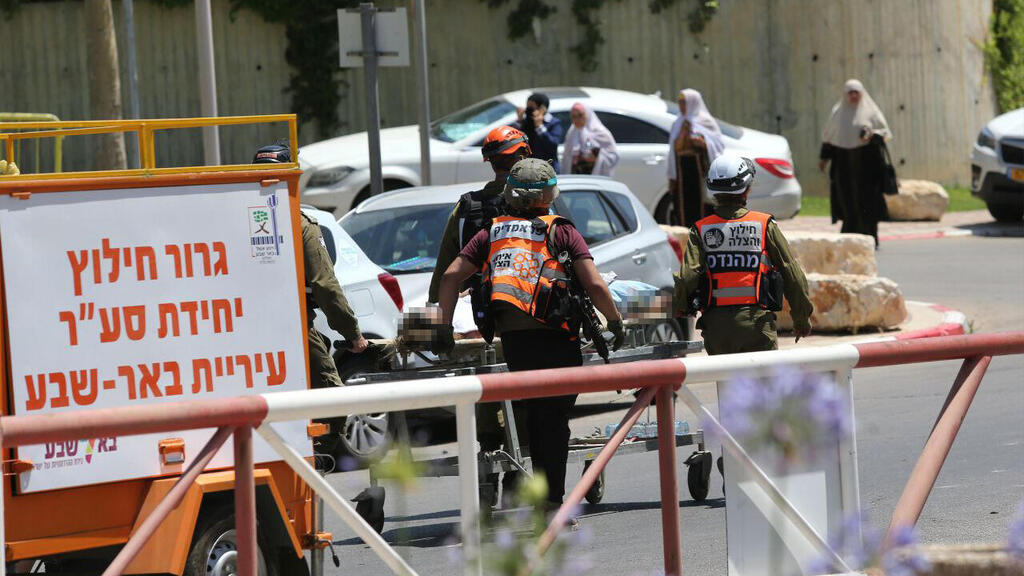
Broadcasting without such authorization from areas affected by missile strikes or active combat zones will be considered a criminal offense and a violation of Israel’s censorship regulations. Police will be authorized to confiscate equipment, revoke press credentials and detain journalists or photographers who violate the rules.
The ministers said the move follows “successful, coordinated enforcement” against Al Jazeera and other foreign outlets, which they claimed violated censorship rules and endangered national security.
Get the Ynetnews app on your smartphone: Google Play: https://bit.ly/4eJ37pE | Apple App Store: https://bit.ly/3ZL7iNv
“We will not allow media chaos during wartime,” the statement read. “We won’t give a platform to hostile actors operating under journalistic cover who put our troops and national security at risk.”
“Freedom of the press does not override the security of our citizens and soldiers,” Karhi said. “Just like Israeli reporters, foreign correspondents will now also be subject to the rules of the military censor—for the sake of Israel’s security.”
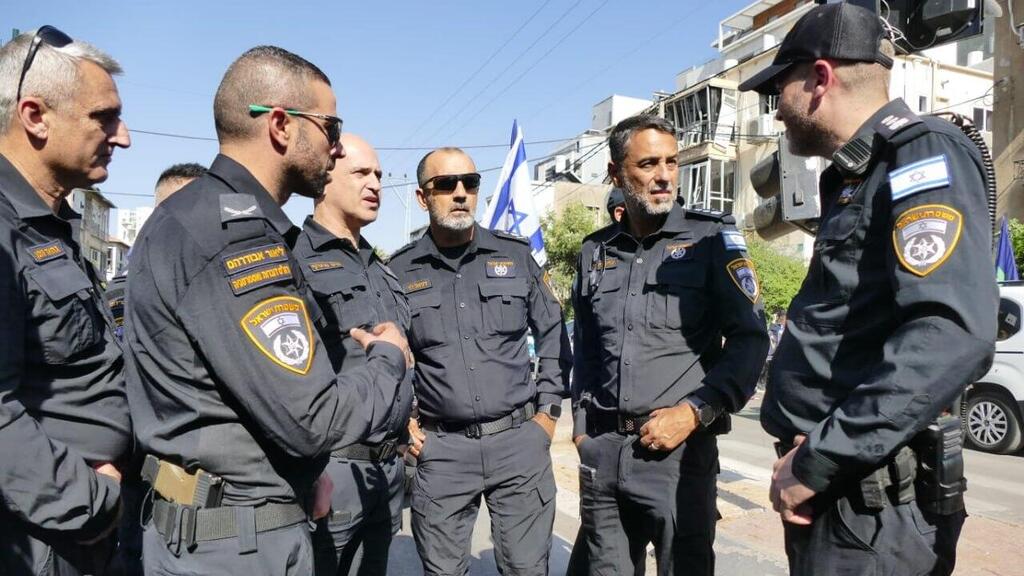
Israel Police Commissioner Daniel Levi (center) at Soroka Medical Center
(Photo: Amir Meiri)
“The media anarchy of the foreign press is over,” Ben-Gvir added. “We will not allow agents of Hamas, Hezbollah or Iran to broadcast from Israeli territory. Anyone who violates the security guidelines will be dealt with by the Israel Police.”
The Government Press Office (GPO) clarified the new instructions in a separate statement: “Any live or recorded broadcast from a combat zone or missile impact site requires prior written approval from the military censor, covering both the location and how it is described. Once approved, broadcasting may proceed in accordance with censorship guidelines.”
The directive presents a significant challenge for international outlets, which will now have to navigate a fast-track but mandatory approval process before reporting from the field. While the government defends the move as a security necessity, press freedom groups have already begun examining whether the restrictions are legally and ethically compatible with international standards of journalistic freedom.
Opposition leader Yair Lapid criticized the decision, saying, “At a time when the opposition is helping explain Israel’s war with Iran to the world—and for once, the international media is finally airing our side—these ministers are once again sabotaging Israeli public diplomacy and damaging our global standing.
“This sweeping censorship order can’t even be enforced as long as people have smartphones. All it does is wreck the growing international sympathy for our just war. There seems to be no limit to the amateurism and populism of these officials,” Lapid said.