

A raw and emotional debate in Israel’s Knesset on Monday laid bare the depth of the crisis facing IDF soldiers suffering from post-traumatic stress disorder, as combat veterans and survivors warned lawmakers that the country’s mental health system is failing those scarred by war.
Sitting before the Knesset Health Committee, Stav Suissa, who suffers from post-traumatic stress, delivered a desperate plea that silenced the room.
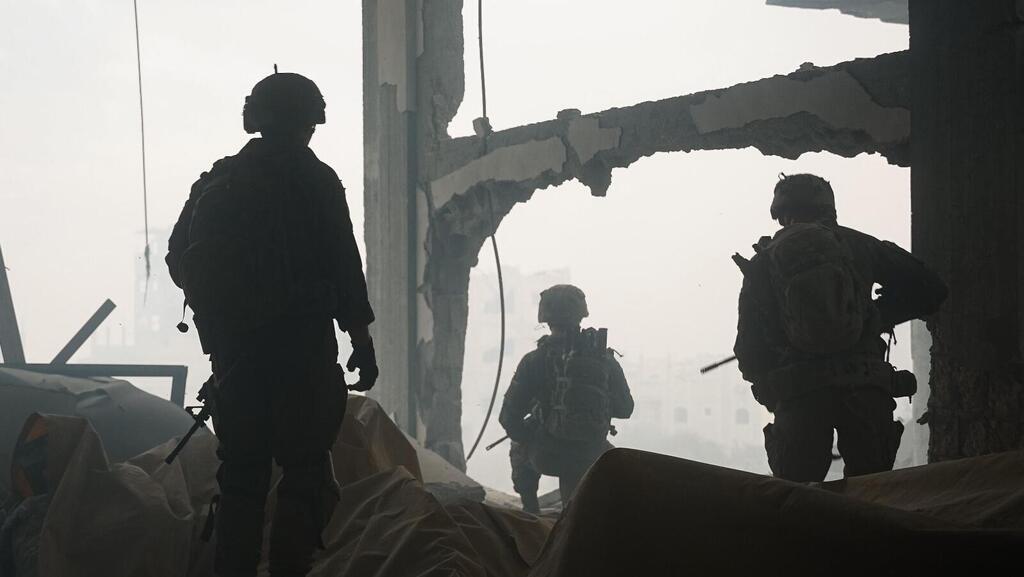
“How many people have to kill themselves before you open your eyes and stop nodding along?” she cried. “How many? Do I need to die? Does she need to die? Enough blood has been spilled. We don’t need committees that talk nonsense. We need action.”
Suissa was speaking at yet another committee hearing examining Israel’s response to PTSD among soldiers wounded psychologically during the war. She demanded immediate economic, mental and physical assistance, including a dedicated emergency response line that would deploy trained professionals within 24 hours.
“Police arrive a minute too late and carry that guilt forever,” she said. “I want a police officer who knows how to contain the situation, or a trained volunteer, or a senior Magen David Adom official, and Defense Ministry representatives on time. Not a phone call saying, ‘If the traumatized soldier doesn’t come back, update us.’ Get there. Move.”
Suissa also called for the expansion of specialized therapeutic residential facilities, particularly for women with combat trauma, greater rights realization and improved access to academic studies for veterans.
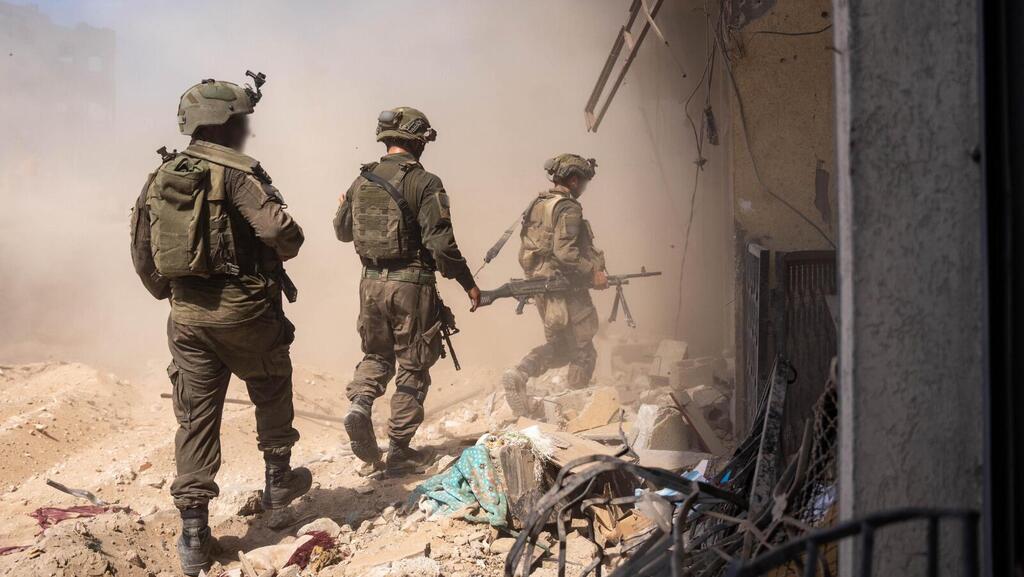
'How many people have to kill themselves before you open your eyes and stop nodding along?'
(Photo: IDF)
The hearing descended into turmoil when Dr. Rotem Sivan, chair of the ‘Healthy Israel’ Forum and a co-founder of the ‘Awake Mother’ initiative, was removed from the room after accusing the government of diverting funds to yeshivas and draft-evading populations instead of rehabilitating tens of thousands of traumatized soldiers.
“You are legalizing draft evasion and transferring billions to those who do not serve, while fighters here are breaking apart,” she told committee chair MK Limor Son Har-Melech.
After being escorted out, Sivan said: “I am the mother of an IDF soldier. His friends are struggling daily after the war, and no one dares to speak about budgets flowing to populations that do not serve. When you speak the truth, they remove you.”
Several participants described severe geographic gaps in care. Yehuda Levinger, a fighter and commander in the Yahalom unit who was wounded in the war and suffers from PTSD, said he lives in the Binyamin region with no nearby therapeutic facilities.
“Everything discussed here is a Band-Aid instead of solving the root problem,” he said. “I have to sleep on Tel Aviv beaches. I’m sexually harassed, and now I have a new trauma.”
Levinger described being rushed from his home on October 7 to fight in Be’eri and at the Nova music festival site. “I saw the worst scenes imaginable,” he said. “After two straight years of reserve duty, I collapsed into a psychiatric ward. I couldn’t breathe or stay at home because I imagined my wife like the dismembered woman I saw, and my children like the burned children.”
Erez David Gabay, a PTSD sufferer since 2001, criticized the treatment offered in so-called “balancing homes,” saying it relies almost entirely on psychiatric medication. “They turn you into a zombie,” he said, adding that cannabis is banned and that facilities struggle to accommodate patients with service dogs.
He also slammed the Rehabilitation Department’s bureaucracy. “Every time it’s a different clerk. If I raise my voice even slightly, they hang up on me,” he said. “Each social worker handles thousands of cases. When we collapse, dealing with the system only deepens the injury.”
“We are heading toward a terrible epidemic,” Gabay warned. “If it took me 10 years to explode psychologically, I don’t know what will happen in the next decade.”
Shmuel Harel, another combat trauma survivor, said Israel’s emergency mental health hotline often goes unanswered. “I called last night several times. No response,” he said. “The phone just rings.”
Ranit Sandrovich, head of the Social Response Division in the Defense Ministry’s Rehabilitation Department, acknowledged a severe staffing shortage, revealing that one social worker currently handles approximately 850 wounded veterans.
“It’s like asking a teacher to manage 150 students instead of 30 and expecting them all to succeed,” she said.
Prof. Eyal Fruchter, medical director and co-founder of the Ikar Association and chair of Israel’s National PTSD Council, warned that Israel lacks a coordinated treatment map and that care is fragmented among countless initiatives.
“If this continues, we will keep delivering partial treatments,” he said. “Each injured person needs one address that accompanies them throughout the process. We must stop splitting responsibility.”
Fruchter also rejected the notion that mental health funding can shrink after the war ends. “Research shows psychological injuries rise after crises,” he said. “This is the moment to invest more, not less.”
At the close of the hearing, committee chair Son Har-Melech called for consolidating rehabilitation services, establishing a proactive national support center for combat trauma victims and their families, expanding therapeutic facilities and retraining medical teams in trauma-informed care.
As testimony ended, one message echoed through the chamber: Israel’s mental health system is approaching a breaking point, and delay may prove fatal.