



For the first time since the launch of Operation Gideon’s Chariots, the IDF allowed journalists into combat zones inside Gaza. Reporters joined Col. Sh., commander of the 7th Armored Brigade, in Khan Younis—where his unit has operated since the ground offensive began.
“This is a test of determination and endurance,” Col. Sh. said. “We’ve developed new capabilities, improved intelligence and better precision—especially underground. In past operations, troops entered with limited intel. Today, we know where we’re going, what the enemy's center of gravity is and which parts of the tunnel system to strike.”
IDF operations in Khan Younis
(Video: IDF Spokesperson's Unit)


While Hamas continues to operate a dense underground tunnel network, Sh. said the brigade aims to destroy critical tunnel segments to collapse the broader infrastructure. “We reached the main tunnel arteries relatively quickly, surprising Hamas and allowing us to destroy key underground assets. We’re also discovering new strongholds.”
The brigade now uses tools that were previously unavailable, including drones. “It takes time to fully analyze tunnel intel,” he added, “but our new tools help us extract valuable information faster.”
Maj. L., the brigade’s operations officer, stressed the importance of moving methodically. “We’re not wasting time—we’re working thoroughly so we don’t have to return. People have died here. That guides our mission.”
According to him, “the enemy won’t return. We know exactly where we’re going and what we’re doing. In the past, we were told to seize areas blindly. Now we have better intelligence and better planning.”
One outcome of that planning was revealed Thursday morning, when the IDF recovered the bodies of hostages Gadi Haggai and Judy Weinstein from Gaza.

IDF troops in Khan Younis
(צילום: דובר צה"ל)
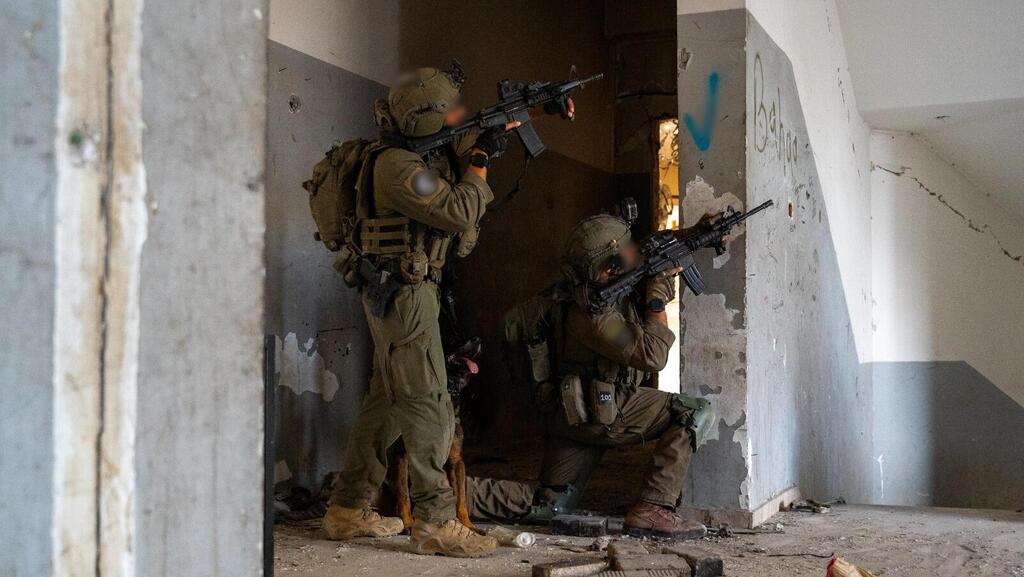
IDF troops in Khan Younis
(Photo: IDF Spokesperson's Unit)
Meanwhile, the IDF Spokesperson’s Unit reported that 7th Brigade forces have destroyed some 400 terror infrastructure sites, eliminated numerous terrorists and neutralized seven key tunnel shafts used by terror groups.
Get the Ynetnews app on your smartphone: Google Play: https://bit.ly/4eJ37pE | Apple App Store: https://bit.ly/3ZL7iNv
‘It looks slow—but we’re eliminating the entire area’
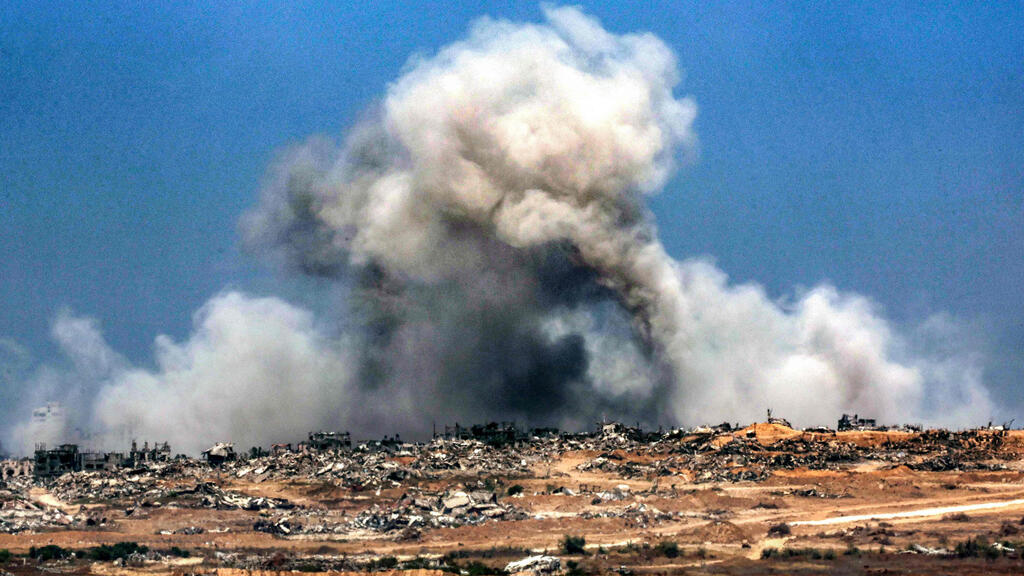
Reporters entered Khan Younis aboard a heavily armored vehicle. The journey took nearly 50 minutes—underscoring how deep the IDF has penetrated into the area. Along the route, nearly every structure was damaged or destroyed.
“This time, we’re going in deep and systematically,” said Col. Sh. “It may look slow, but it protects our forces. And unlike past operations, we’re dismantling the arena completely. Once we’re done, Hamas won’t be able to return for years.”
At a temporary staging area for resting troops, Lt. Col. D., commander of the 77th Battalion, said Hamas had clearly prepared for this round of fighting. “They studied us and adapted to the operation. There’s less face-to-face fighting now—more hidden explosives and remote detonation after spotting our forces. But we’ve developed tactics to dismantle that infrastructure.”
Maj. Y., the brigade’s medical officer, described how the nature of injuries has shifted. “We’ve seen all types. But now it’s less about gunfire and more about explosives.” He said he’s served over 300 days in reserves, previously fighting in both Lebanon and Gaza. “The last time, there were more enemy fighters and more clashes. Now it’s mostly underground. Wherever we go, we dismantle.”
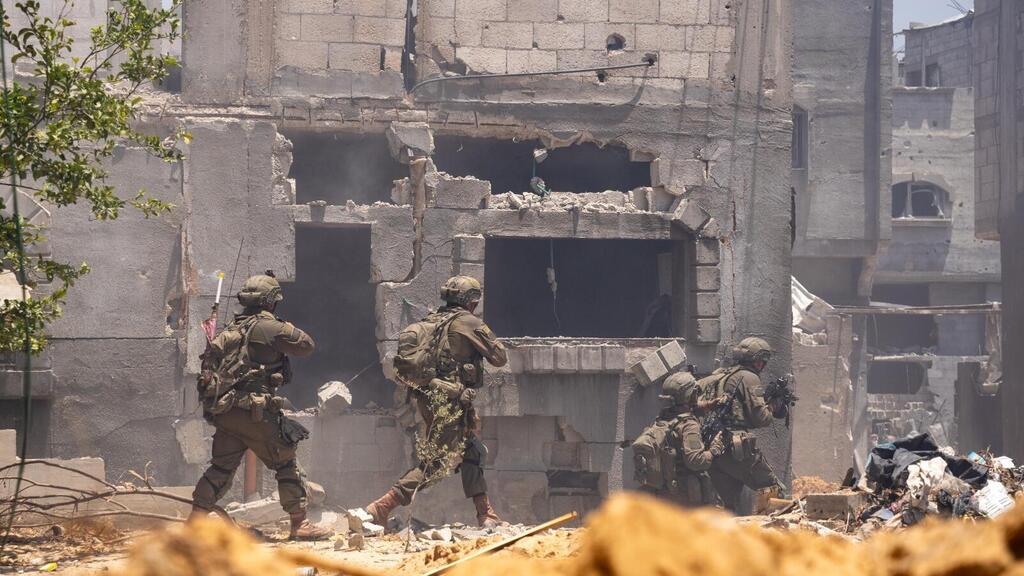
(Photo: IDF Spokesperson's Unit)
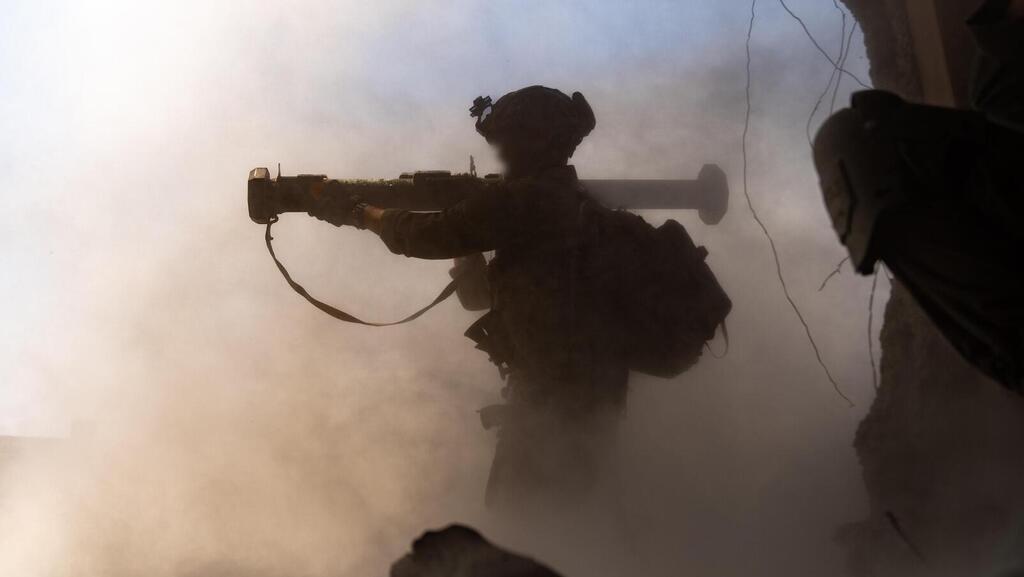
IDF troops in Khan Younis
(Photo: IDF Spokesperson's Unit)
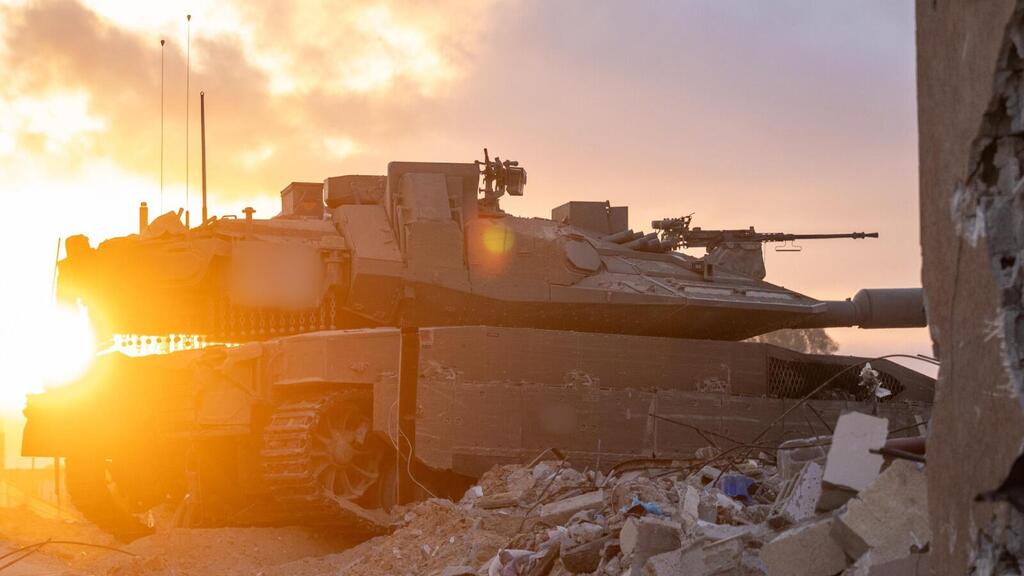
(Photo: IDF Spokesperson's Unit)
Troops, both active-duty and reserve, noted that the way humanitarian aid is distributed also impacts the fighting. “Many terrorists appear to have dropped their weapons and moved into civilian areas. That means Hamas has fewer fighters in the field. It’s still a fight—but we can see the difference.”
Col. Sh. said Israel is engaged in a war of attrition. “Thinking we can wrap it up quickly with one big blow is a mistake. We must build a military that can fight long, drawn-out campaigns. That doesn’t mean we don’t want short wars—but the enemy has adapted. When they realize we can fight long-term, their attrition strategy will lose effectiveness.”
The IDF has returned to Khan Younis—again. But this time, troops believe a combination of extended operations, tactical changes and humanitarian strategy could lead to different, possibly decisive, results. Ultimately, investigations into the October 7 massacre will also have to ask: why did we need to fight here so many times?