

U.S. defense contractors may need at least three years to replenish key advanced weapons used by the U.S. military during the war with Iran, raising concerns among military analysts about Washington’s ability to sustain firepower in a possible future conflict with China.
The analysis by the Center for Strategic and International Studies examined stockpiles of Tomahawk Land Attack Missiles, THAAD missile systems and Patriot air defense interceptors, all of which were heavily used in the conflict.
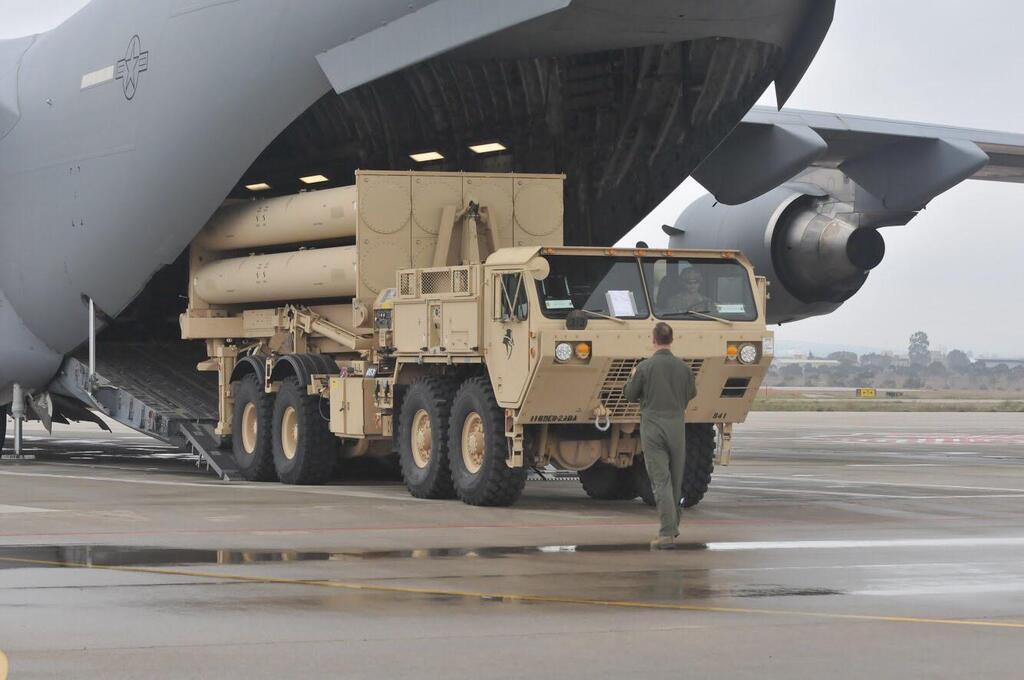
CSIS said Joint Air-to-Surface Standoff Missiles and Precision Strike Missiles were also heavily used and could take several months to a year to replace. Standard Missiles, including SM-3 and SM-6 missiles, were used less heavily but still face a two-year timeline to return U.S. stocks to prewar levels.
According to the report, the U.S. military used more than 1,000 Tomahawk missiles during the Iran war, while receiving 207 deliveries in 2026. The Trump administration has requested 785 Tomahawk missiles for fiscal 2027.
The report also said the U.S. used 1,100 Joint Air-to-Surface Standoff Missiles and received 484 deliveries in 2026. The administration has requested 821 of the missiles in the next fiscal cycle.
CSIS said the Patriot shortage presents Washington with a dilemma over aid to Ukraine, which needs the interceptors to defend against Russia, while the U.S. must also support 17 other countries that use the system.
The report said the Trump administration’s proposed $1.5 trillion fiscal 2027 defense budget reflects concerns over munitions stockpiles. It also said a supplemental war funding request is expected and that the administration has signed framework agreements with industry to expand production capacity.
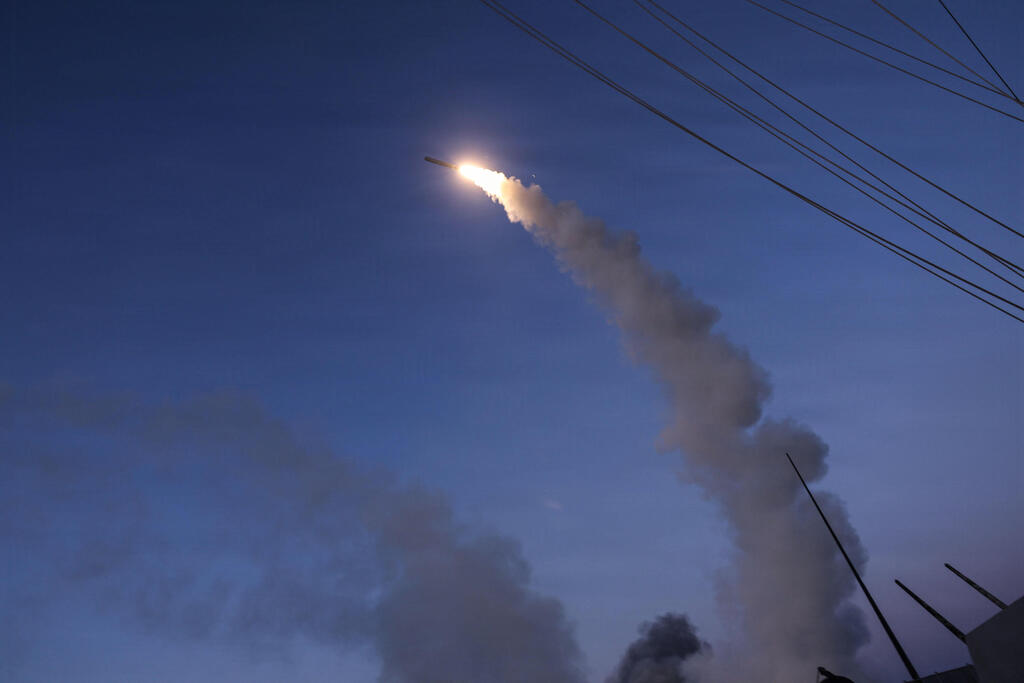
Tomahawk Land Attack Missile
(Photo: AFP PHOTO / US NAVY and US CENTRAL COMMAND / HANDOUT)
But CSIS said the core problem is time, not money.
“It takes time to expand production capacity and to build these complex systems,” the report said. “Thus, there will be a window of vulnerability for several years until inventories return to their previous levels and another several years before they get to the levels that war planners desire.”
The report said the Pentagon will need to plan for that gap. Some munitions could be substituted, but alternatives carry trade-offs, including shorter range, greater risk to launch platforms and higher costs for counter-drone systems.
CSIS said the U.S. had shown “great skill” in operations in Iran and Venezuela, and that China may be deterred by the gap in combat experience. The report noted China’s last war, against Vietnam in 1979, exposed poor performance.
“That difference in experience may preserve deterrence until munitions inventories are restored,” the analysis said.