


As Hamas negotiates with Fatah over control of the Gaza Strip after the war, internal divisions within the terror group are also growing sharper. According to Palestinian sources, following the assassinations of senior leaders and the October 7 attack, a deep crisis has emerged between the group’s military leadership in Gaza and its political leadership abroad.
The political camp, led by Khaled Mashal and Izzat al-Rishq, advocates a pragmatic approach that emphasizes regional openness and rebuilding Hamas’ international image. The military wing, headed by Khalil al-Hayya and Mousa Abu Marzouk, insists on continuing the armed struggle and strengthening ties with Iran.
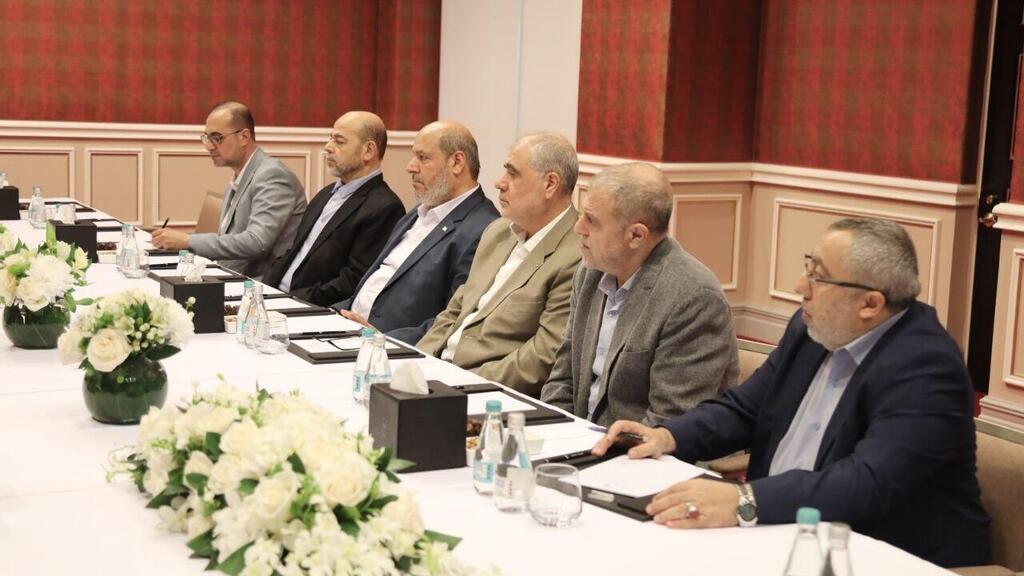
Tensions between the two camps have spilled onto social media. The “Asfoura” account, affiliated with Mashal’s camp, claimed that a coordinated campaign was being run from Doha and Istanbul against Izz al-Din al-Haddad, the commander of Hamas’ Izz al-Din al-Qassam Brigades. Another account, “CosmoTrade,” with more than 40,000 followers, posted a photo of Mashal at a gym and asked: “Why has the Palestinian people produced the dumbest leaders in history?” A third account, “Khaled Mansour,” with over 63,000 followers, wrote: “If incitement against the leaders is a suspicious act, then Khaled Mashal is the most suspicious of all,” expressing open support for the military camp.
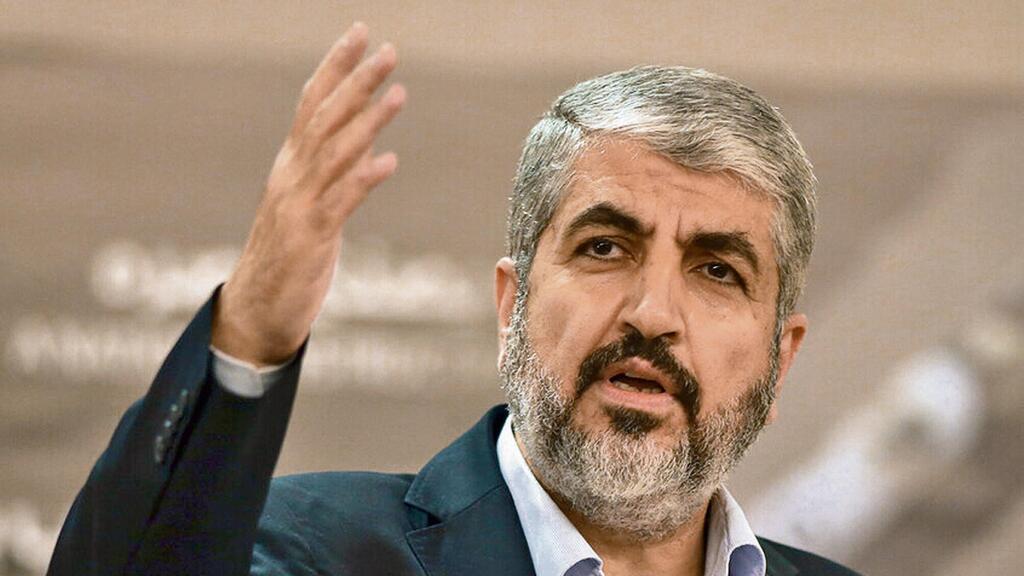
Khaled Mashal. A rift between Hamas’s political and military leadership
(Photo: Osama Faisal, AP)
The rift is not new. As early as 2022, Mashal described Hamas’ relationship with Iran as “a complicated matter” and called for reducing admiration for Tehran in the Arab world. Dr. Naji Shurrab, a political analyst from Gaza, said the situation reflects “patterns of tension and erosion” within an institutional framework that attempts to balance internal disputes. Palestinian researcher Sari Arabi added that while disagreements rarely lead to an official split, they do affect decision-making and policy direction.
Amid the recent wave of online “incitement” against Hamas leaders, the group issued an official statement urging the public to ignore such accounts and warning against efforts to sow division. The statement specifically named the “Khaled Mansour” and “Asfoura” accounts as attempts to harm “the movement’s unity.”
According to Hamas sources, the tensions behind the scenes continue to grow. The military leadership seeks to maintain control on the ground, while the political wing aims to secure regional and international legitimacy and reestablish Hamas’ standing in the diplomatic arena.
First published: 01:59, 11.05.25