

The United Arab Emirates carried out secret military strikes inside Iran during the recent war, including an airstrike on a refinery on Iran’s Lavan Island in early April, according to a Wall Street Journal report.
The attack, which Abu Dhabi has not publicly acknowledged, reportedly took place around the time US President Donald Trump announced a ceasefire. The strike sparked a large fire at the refinery and disabled a significant portion of the facility’s production capacity.
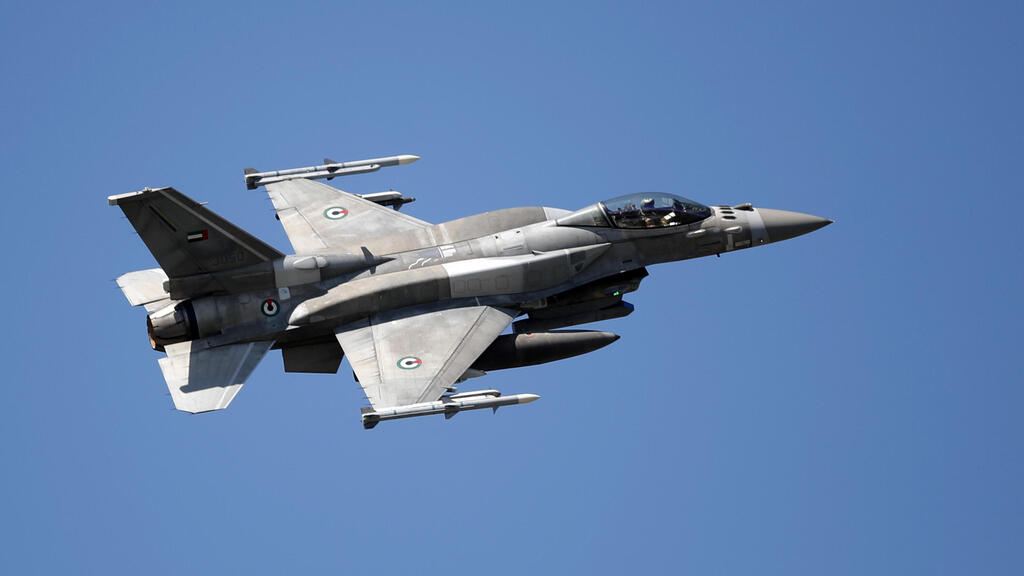
An United Arab Emirates F-16
(Photo: AP)
Iran said at the time that the refinery had been hit in an enemy attack. In response, Tehran launched a barrage of missiles and drones toward the United Arab Emirates and Kuwait.
According to one source who spoke to the Journal, Washington was not troubled by the UAE strike because the ceasefire had not yet formally taken effect. The source said the White House quietly welcomed the UAE’s participation, as well as the involvement of any other Gulf state willing to join the fighting.
The UAE Foreign Ministry declined to comment directly on the reported strikes, according to the Journal. Instead, it referred to previous statements in which Abu Dhabi said it had the right to respond, including militarily, to hostile actions.
The reported UAE strike marks a potentially significant expansion of the regional war against Iran. The Gulf state has long sought to balance its security ties with the United States and Israel against its economic and diplomatic relationship with Tehran. Direct involvement in strikes on Iranian soil would represent a sharp escalation, even if kept officially unacknowledged.
The report comes after recent claims that Israel, facing frequent launches from Iran, had deployed air defense systems in the UAE, including an Iron Dome battery and the Iron Beam laser defense system.
Since the start of the war, the UAE has reportedly counted more than 550 ballistic missiles, dozens of cruise missiles and more than 2,260 drones launched from Iran.
The Lavan Island refinery attack also highlights the growing role of energy infrastructure in the conflict. Strikes on refineries, ports and shipping routes have added pressure to global energy markets and raised fears that the war could spill further into the Gulf, where oil production, shipping and regional air defenses are tightly intertwined.
For Washington, the reported Emirati operation may have been useful politically and militarily: it showed that US partners in the Gulf were prepared to act against Iran, while allowing the UAE to avoid publicly taking ownership of a strike that could invite a larger Iranian response.
For Tehran, however, the message was clear. The war was no longer limited to direct US, Israeli and Iranian action. If the Journal’s report is accurate, one of Iran’s most important Gulf neighbors had quietly joined the fight.