

The Finance Ministry's new economic plan, if approved, will include no less than 11 new taxes disguised as reforms.
Some of the taxes the ministry wants to introduce are additional tariffs on soft drinks, single-use use plastic, entry of cars to the center of the country, pension savings, electricity, and more.

All these new taxes have one thing in common - they are all indirect. This means the rich and poor all pay the same amount regardless of their income. As a result, these taxes will only further deepen Israel's economic inequality.
The Finance Ministry said these taxes are intended to "change the consumption patterns" of low-income populations, which consume a relatively large amount of sugary beverages and buy a lot of single-use tools. Sure, let's just ask them to install water coolers and eat from luxury porcelain cutlery.
Taxes on soft drinks are in place only in 10 countries across Europe and in six cities across the United States. And according to a comprehensive report by the World Bank, the tax on sugar drinks does reduce consumption, but on two conditions - no taxes on any diet drinks and and no more than 10% increase on the final price. Both of these terms weren't included in the ministry's plan.
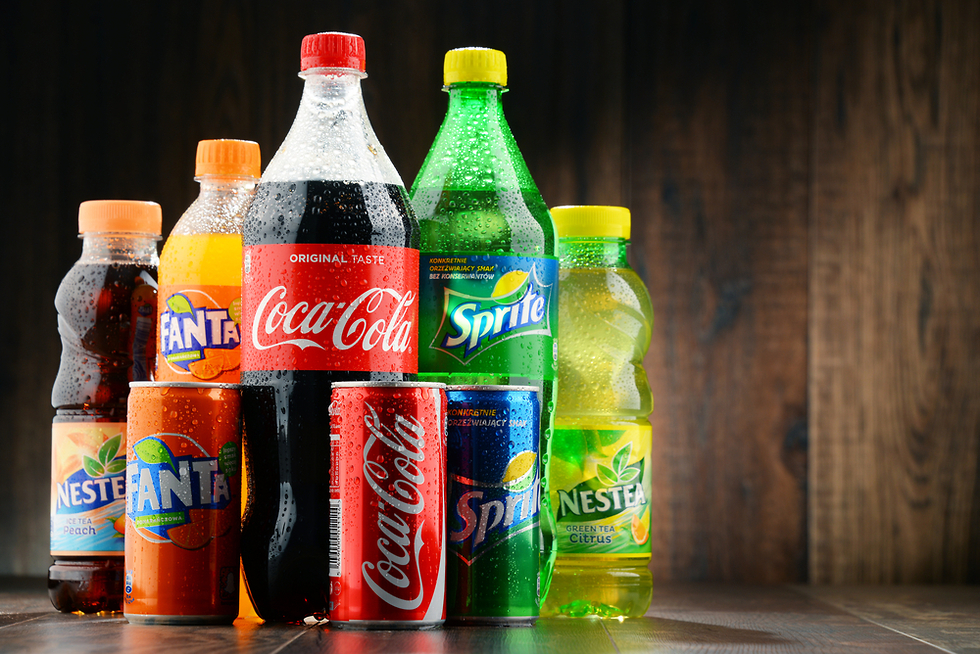
Soft drinks
(Photo: Shutterstock)
The special tax on entering the center of the country via a private vehicle, known as the "congestion tax," was not used in any part of the world before an efficient and affordable system of public transportation was built in the area, such as metro, which will be available for Israelis sometime in 2045.
As a result, on the one hand, any owner of a small business in Tel Aviv, who lives in Hadera for instance, will be required to pay daily dozens of shekel - a huge amount compared to the overall income. But on the other hand, the Finance Ministry has no intention to harm the sacred "car expenses refund" policy, which is common in government offices and is a fundamental factor in traffic jams. So, it turns out it's easy to impose taxes on the weak.
Another problematic move, presented to the naïve public as a technical change only, concerns those who have had savings in pension funds since 2004. The ministry offers to omit their main component - high-interest bonds issued by the state - instead replacing them with a government guarantee to compensate for pension savings once every five years.
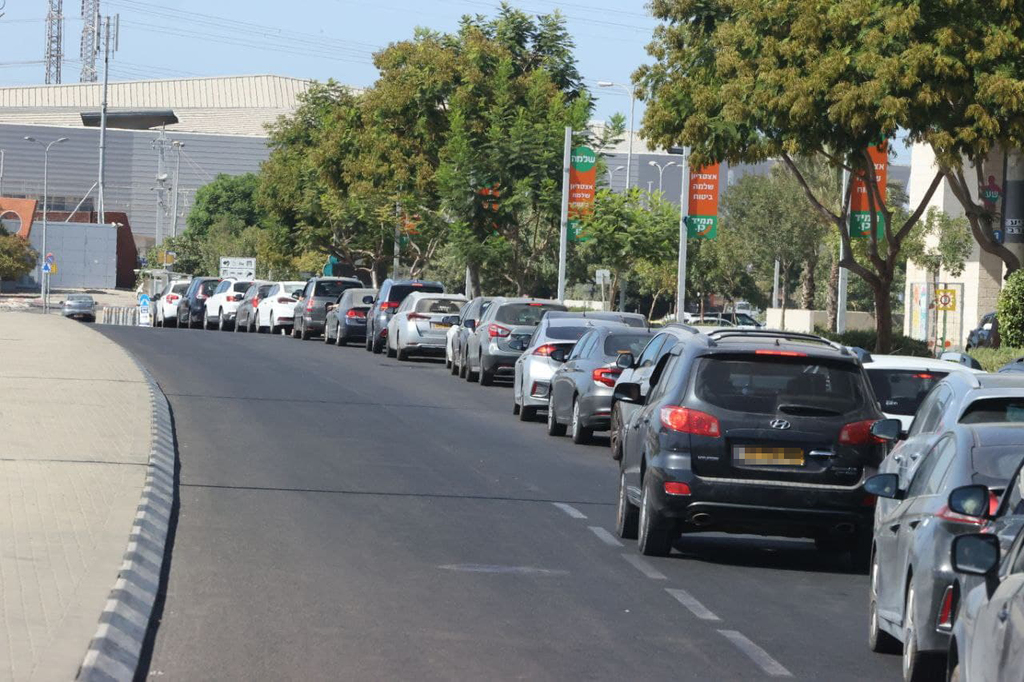
Traffic jams in central Israel
(Photo: Motti Kimchi )
The proposed reform hides the tax and shifts the risk from the ministry to those with savings - future pensioners.
Among other reforms is a law adopted from EU regulations regarding consumer imports, which is supposed to make it easier to obtain business licensing. However, according to reports, the new regulation is expected to make it more difficult.
As for the cancellation of the obligation to obtain approval from Standards Institute of Israel for import of any product, as long as it has been approved by a similar institution in Europe, will have a meager effect on the consumer prices.
The Finance Ministry of 2021 acts like a single company that controls the economy, by introducing failing and unnecessary reforms.