

The U.S.-brokered deal envisions an Israeli troop withdrawal from Lebanon and an eventual peace agreement between the two countries, which technically remain in a state of war nearly 80 years after Israel’s establishment. The agreement makes clear that a full Israeli withdrawal will occur only after Hezbollah is disarmed, a condition that has drawn fierce opposition from the terrorist group.
Gallery
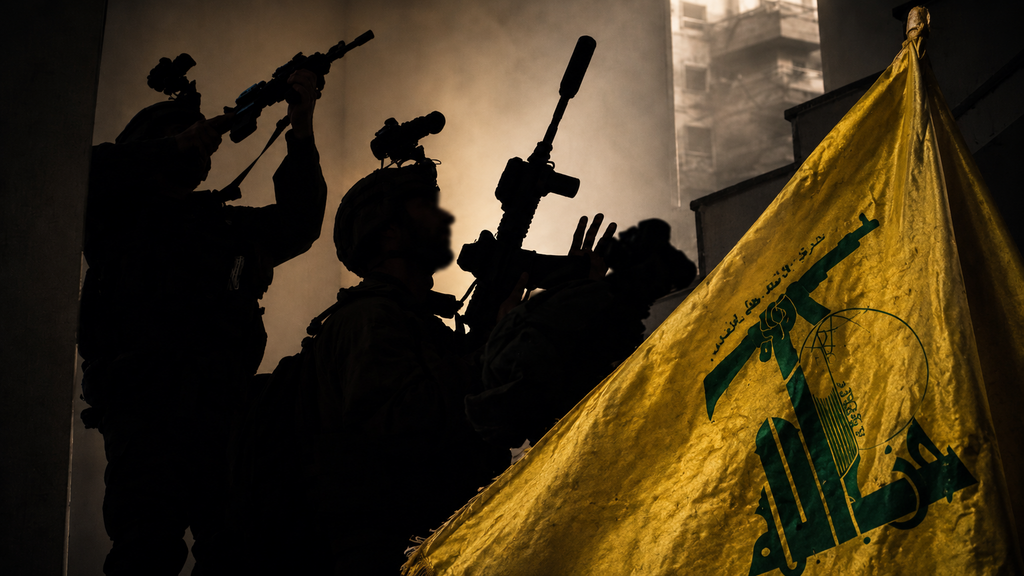
The agreement makes clear that a full Israeli withdrawal will occur only after Hezbollah is disarmed
(Photo: IDF)
Lebanon's Western-backed government and Hezbollah have exchanged sharp rhetoric, while Hezbollah supporters have blocked major roads in protest. One Hezbollah lawmaker warned that the country could descend into civil war if the government attempts to enforce disarmament.
The tensions have revived memories of Lebanon’s devastating 1975-1990 civil war and more recent episodes of violence, including Hezbollah’s armed takeover of parts of Beirut in 2008. They also raise serious questions about whether the U.S.-brokered deal can move forward.
A renewed escalation between the U.S. and Iran would further complicate the deal’s prospects and increase the risk of conflict between Israel and Hezbollah.
The deal is expected to be a central topic when Lebanese President Joseph Aoun visits the White House on July 21.
The deal is rooted in the US confrontation with Iran
Lebanon’s political landscape has been divided for more than two decades between a Western-backed coalition and another aligned with Iran and led by Hezbollah, a designated terrorist organization. Both sides view the outcome of the agreement as critical.
The latest conflict between Israel and Hezbollah erupted in March, following broader regional tensions tied to the U.S.-Israel confrontation with Iran.
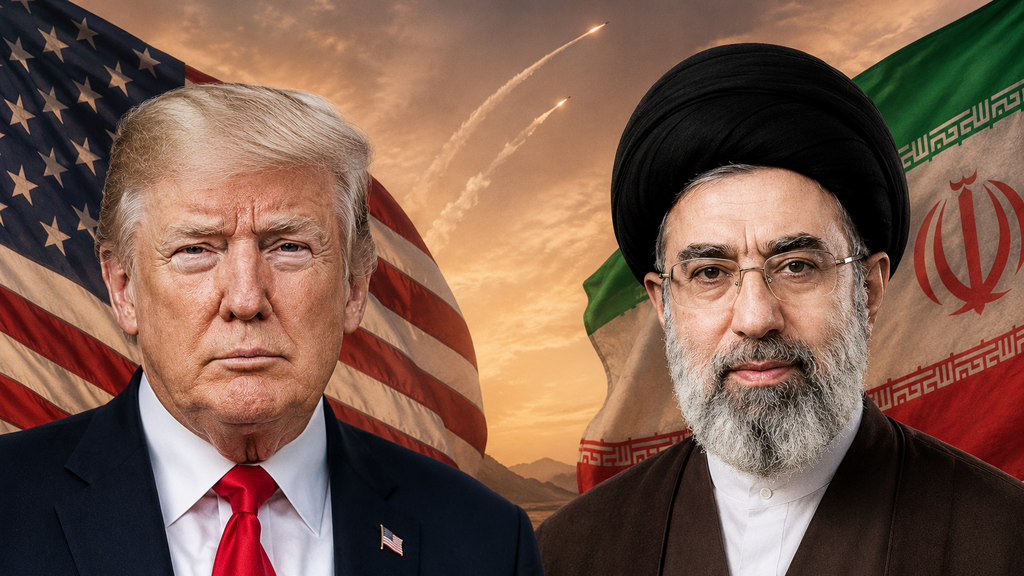
Israel-Hezbollah fighting erupted in March amid the wider US-Israel confrontation with Iran
(Photo)
Hezbollah entered the conflict without approval from the Lebanese government, underscoring its role as an armed terrorist group operating outside state control. It has sought to tie any resolution with Israel to broader U.S.-Iran negotiations, while the Lebanese government has attempted to separate the issues and pursue a direct cease-fire with Israel.
The Lebanon-Israel deal shifted the dynamics
Supporters of Hezbollah initially welcomed a cease-fire between Iran and the U.S. that included an end to hostilities in Lebanon.
That truce reduced the intensity of fighting between Israel and Hezbollah. However, Israeli forces remain in parts of southern Lebanon, and many residents are still displaced from heavily damaged areas.
The linkage to the U.S.-Iran cease-fire was widely seen as strengthening Hezbollah’s position and reinforcing Iran’s influence in Lebanon.
But days later, Israel and Lebanon announced their June 26 “framework agreement” in Washington. The deal clearly conditions Israeli withdrawal on the disarmament of Hezbollah across the country, placing responsibility on Lebanon to address the presence of the terrorist group.
Lebanese rivals are now at odds over the deal
Lebanese government officials have welcomed the agreement as a path toward restoring sovereignty and enabling displaced residents to return home.
However, Hezbollah and its supporters have accused the government of conceding too much, particularly given the lack of a fixed timeline for Israeli withdrawal.
Hezbollah supporters protested in Beirut, blocking roads and burning banners. The group’s leader, Naim Qassem, rejected the deal outright, calling it a “humiliation” and declaring that Hezbollah would not comply.
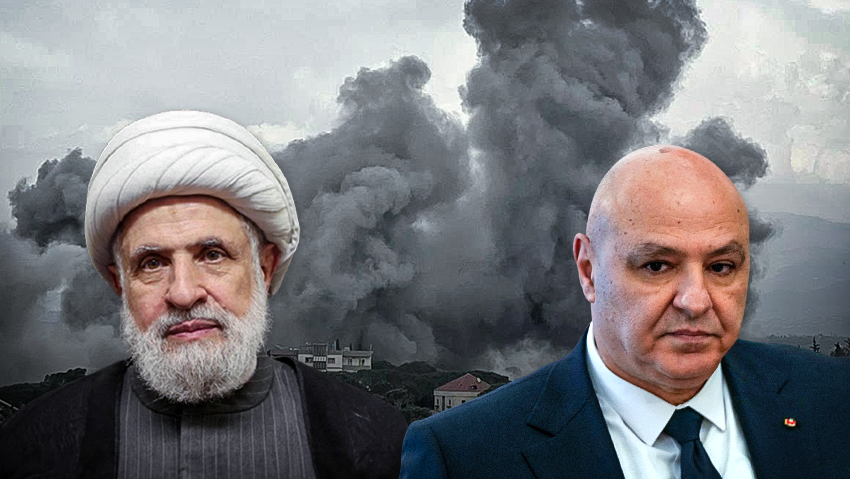
Lebanon on edge, Naim Qassem, Joseph Aoun
(Photo: Petros Karadjias/Pool via REUTERS, REUTERS/Mohammad Yassine)
Hassan Fadlallah, a Hezbollah legislator, escalated the rhetoric, warning that enforcing the agreement could lead to civil war.
Such threats echo past incidents, including May 2008, when Hezbollah used force to overturn a government decision targeting its independent communications network.
Hezbollah is now demanding that the government reverse its March 2 decision declaring the group’s military and security activities illegal.
Lebanon’s prime minister, Nawaf Salam, has defended the agreement, emphasizing that it would restore state authority across the country and rejecting Hezbollah’s attempts at intimidation.
“I am not looking for a confrontation with Hezbollah but neither myself nor anyone in the government will accept to be blackmailed by Hezbollah,” Salam said in a recent interview.
In the meantime, the deal remains stalled
For now, the situation remains tense but largely contained, in part because implementation of the agreement has stalled.
Israel and Lebanon have agreed to establish two “pilot zones” where Israeli forces would transfer control to the Lebanese army after ensuring the absence of Hezbollah.
Salam has indicated that implementation could begin soon, but there has been little progress on the ground.
“There is no schedule for the withdrawal or anything else,” said a Lebanese military official, speaking on condition of anonymity. He noted that the army has received no clear guidance on how or when Israeli forces would withdraw.
The initial pilot zones include the towns of Froun, Ghandouriyeh and Zawtar. Israeli forces were not heavily present in much of this area, raising questions about how the process will unfold. The Lebanese army had reportedly pushed for larger zones that included more territory currently under Israeli control.
An Israeli military official said the army is awaiting instructions from political leaders regarding the timing of any withdrawal.
A possible political stalemate looms
Lebanon’s sectarian political system, divided among Shiite and Sunni Muslims, Christians and Druze, has often led to deadlock.
Parliament Speaker Nabih Berri, an ally of Hezbollah, has warned that the deal “will not pass” in its current form.
Wissam Lahham, a constitutional law professor at St. Joseph University in Beirut, noted that under Lebanon’s constitution, any treaty must be approved by a two-thirds majority of the Cabinet. No vote has yet been scheduled, and it remains unclear whether parliamentary approval would also be required.
Qassem reiterated Hezbollah’s rejection of the agreement in a recent speech.
“Ultimately, not a single clause of the framework agreement will be approved, and there will be nothing you can do about it,” he said.
Michael Young, senior editor at the Malcolm H. Kerr Carnegie Middle East Center in Beirut, said that while Lebanon’s effort to separate its national interests from Iranian influence is understandable, it may be difficult to achieve in practice.
“You cannot reach any kind of solution with regard to Hezbollah unless Iran is on board,” he said. “The Iranians will not give up on Hezbollah, and at the same time the Lebanese are not willing to enter into an armed conflict with Hezbollah.”