

The leaders of Scotland, Wales and Northern Ireland — the three semi-autonomous nations that, together with England, make up the United Kingdom — signed a declaration of intent Monday calling for referenda that could lead to independence from Britain and, in effect, the breakup of the United Kingdom.
The meeting in Cardiff, the Welsh capital, was dubbed the “separatists’ summit” by local media. It brought together Scottish National Party leader John Swinney, Welsh Plaid Cymru leader Rhun ap Iorwerth and Sinn Féin Vice President Michelle O’Neill.
Gallery
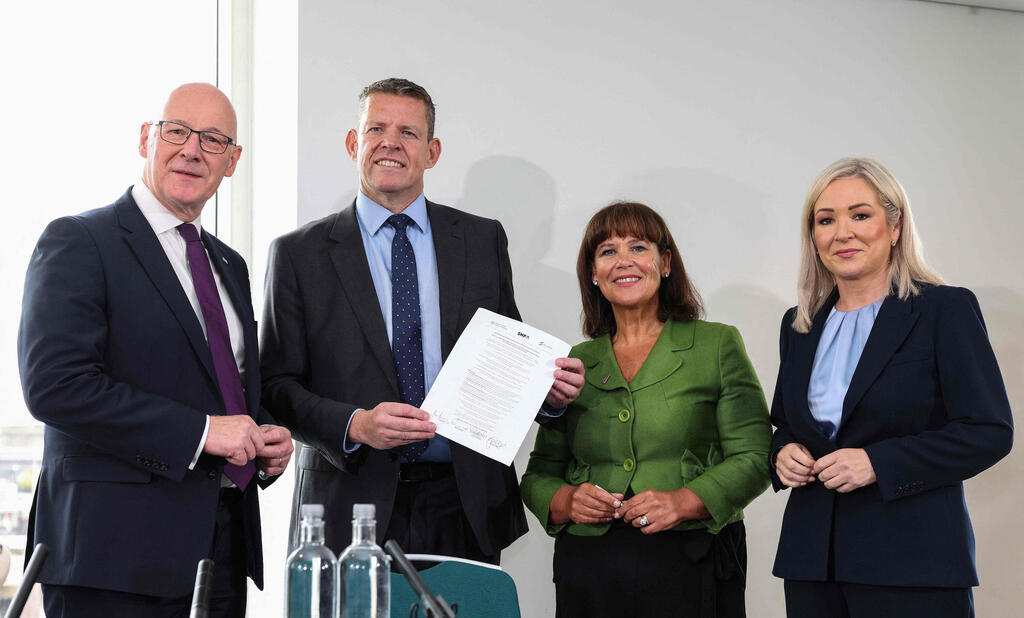
From left: Scottish National Party leader John Swinney, Plaid Cymru leader Rhun ap Iorwerth, Sinn Féin President Mary Lou McDonald and Sinn Féin Vice President and Northern Ireland First Minister Michelle O’Neill at a summit in Cardiff, where leaders from Scotland, Wales and Northern Ireland signed a declaration of intent calling for self-determination from Britain
(Photo: Adrian DENNIS / AFP)
All three also head their respective devolved governments, an unprecedented situation that emerged after local elections in Wales in May brought the pro-independence Plaid Cymru to power for the first time. Ap Iorwerth hosted Monday’s summit.
Although the gathering reflects renewed hopes among independence movements in Scotland, Wales and Northern Ireland of securing referenda on their constitutional futures, the authority to approve such votes ultimately rests with the central government in London, which strongly opposes them.
As a result, an actual breakup of the United Kingdom still appears a distant prospect. The declaration signed Monday did not set out a clear timetable and appeared primarily intended to increase pressure on Britain’s new prime minister, Andy Burnham.
The United Kingdom consists of four constituent nations: England, Scotland, Wales and Northern Ireland. Scotland, Wales and Northern Ireland have substantial autonomy over many domestic affairs through their devolved governments and legislatures, but they remain subject to the authority of the British government and Parliament in London, which also governs England directly in areas covered by devolution elsewhere.
The pro-independence Scottish National Party, or SNP, has governed Scotland since 2007. Under pressure from the party, the British government agreed to allow an independence referendum in 2014. The independence movement lost that vote, with 55% of Scottish voters choosing to remain in the United Kingdom.
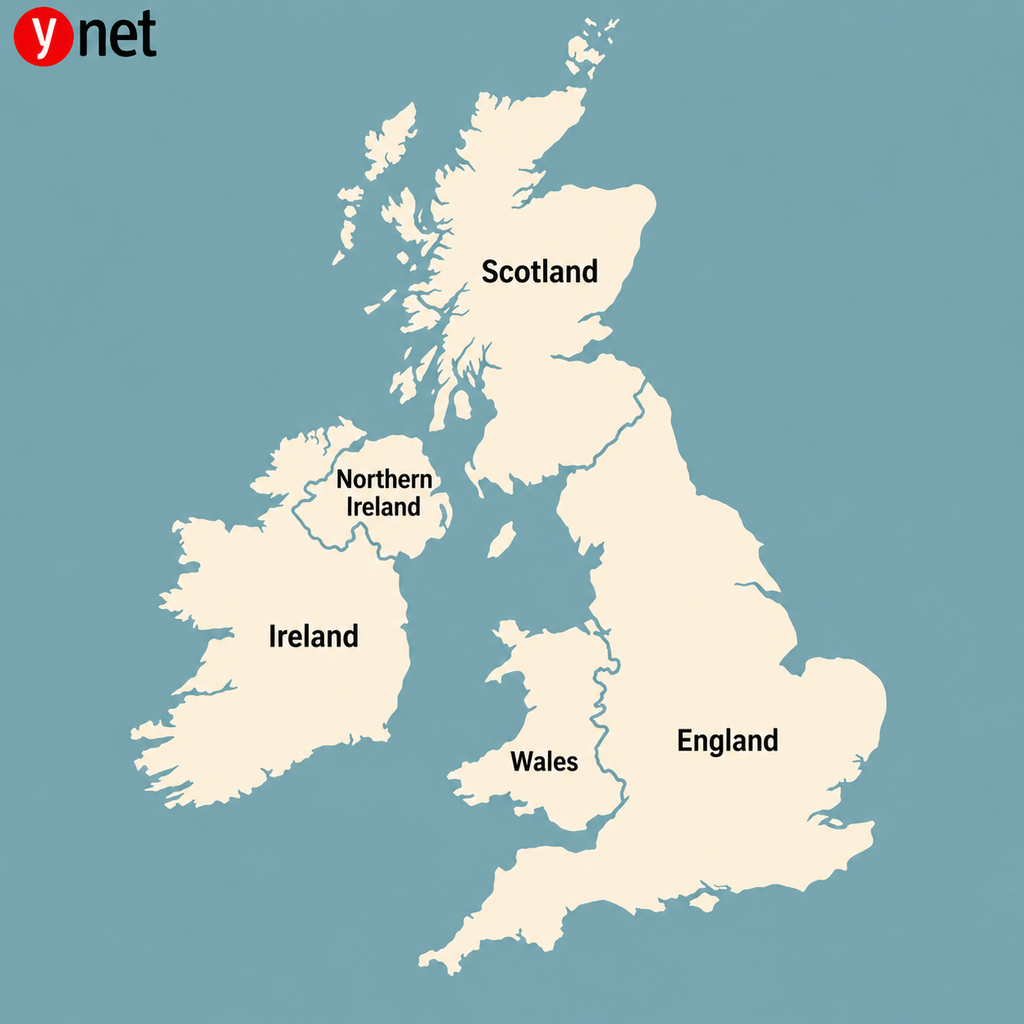
The United Kingdom and Ireland
In Wales, on the western side of Britain, polls have historically shown that most residents oppose breaking away from the United Kingdom. But the political landscape shifted in May when the pro-independence Plaid Cymru came to power for the first time.
The situation in Northern Ireland is more complicated because of the violent history surrounding the question of its constitutional status. Irish nationalists favor reunification with the Republic of Ireland, the independent country covering most of the island, while unionists favor remaining part of the United Kingdom.
From the late 1960s until the end of the 1990s, Northern Ireland was gripped by a period of sectarian and political violence known as the Troubles. The conflict largely pitted predominantly Protestant unionists against predominantly Catholic nationalists seeking a united Ireland. About 3,500 people were killed.
The conflict largely ended with the 1998 Good Friday Agreement. Northern Ireland has remained mostly peaceful since then, although sporadic unrest has continued and the question of Irish reunification remains politically sensitive.
Under the Good Friday Agreement, a referendum on Irish unity can be held if the British government determines that it appears likely that a majority of voters in Northern Ireland would support reunification.
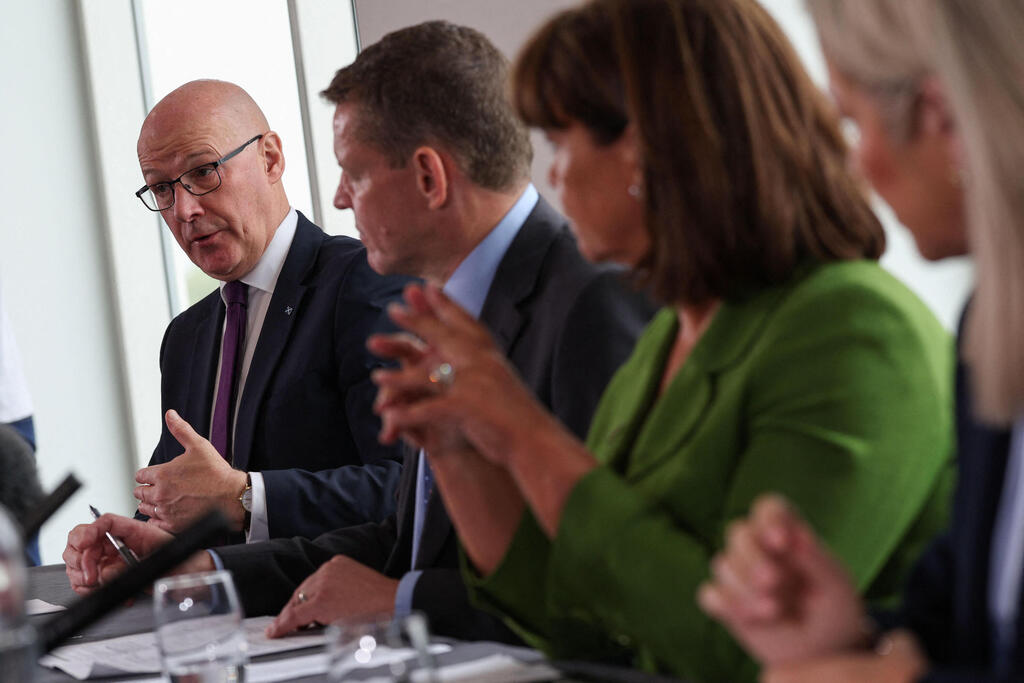
Scottish National Party leader John Swinney, left, at a summit in Cardiff where leaders from Scotland, Wales and Northern Ireland signed a declaration of intent calling for self-determination from Britain
(Photo: Adrian Dennis / AFP)
The independence movements in the three nations received a boost last week following remarks by Burnham during a debate in the House of Commons.
Asked by an SNP lawmaker about the difference between Scotland and Northern Ireland when it comes to the ability to hold a referendum on their constitutional status, Burnham replied that they were the “same situation.”
The remark was interpreted as potentially opening the door to another Scottish independence referendum after the independence movement’s defeat in 2014. Swinney, Scotland’s first minister, said Burnham’s comments meant that if sufficient public support emerged for another referendum, the government in London would not be able to prevent one.
Burnham quickly sought to walk back his remarks. In a letter to Swinney, he stressed: “Independence and a referendum are off limits as it would take our focus away from growing the economy and helping families with the cost of living.”
Separatist aspirations received another boost shortly before Monday’s Cardiff summit from unusual comments by U.S. President Donald Trump during a weekend visit to Ireland.
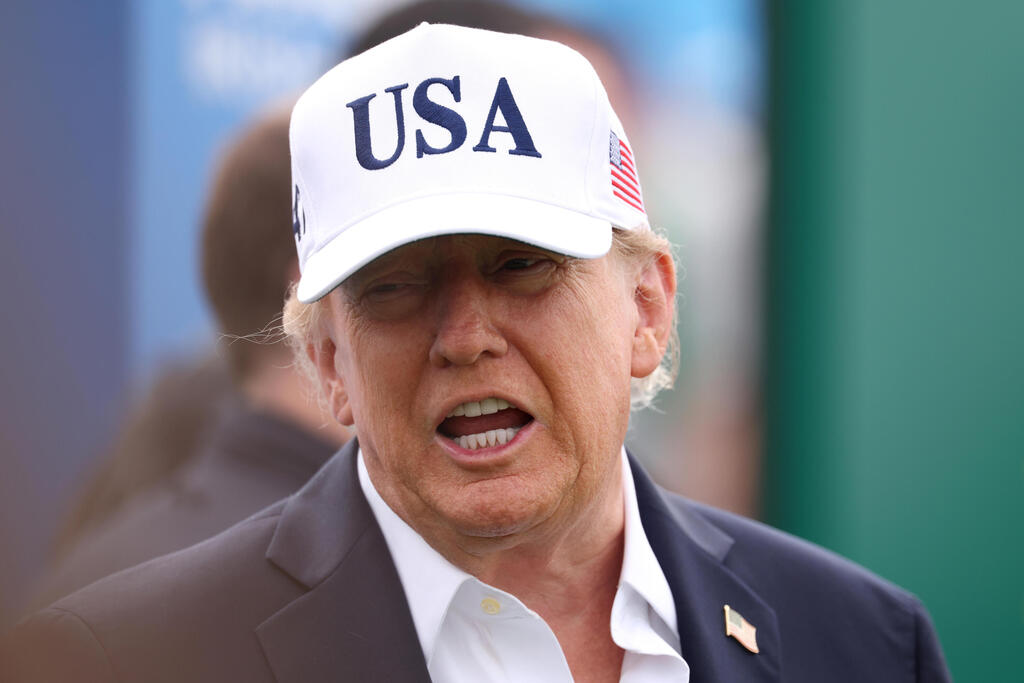
US President Donald Trump
(Photo: Richard Heathcote/Getty Images)
Trump voiced support for the reunification of Ireland and Northern Ireland, saying it would be “a fantastic thing.”
“I don’t want to cause any problems, but I will tell you, I’d love to see it unified,” Trump told reporters, adding: “I think it would be a great feather in everybody’s cap if that happened. You know what? The way I look at it, it’s going to happen eventually. It may as well happen now.
“The UK will have something to say about it, obviously. But I think it would be a great thing. I mean, how can it be bad?”
Trump’s comments marked a departure from Washington’s longstanding neutrality on the question of Irish reunification and came at a sensitive moment in relations between the United States and Britain.
London has been concerned about possible retaliation from the Trump administration amid a sharp dispute between the longtime allies, fueled in part by Britain’s refusal to side with the United States in its war with Iran.
Against that backdrop, Trump has also recently said his administration is reconsidering the longstanding U.S. neutral position on the sovereignty dispute between Britain and Argentina over the British-controlled Falkland Islands.
Declaration of intent, but no clear targets: ‘Westminster’s days are coming to an end’
The document signed Monday in Cardiff was worded in relatively broad terms and set no clear targets for their demands for future referendums.
The three signed it not in their official capacities as heads of their respective devolved governments but as leaders of pro-independence parties. That means the document is not an official government agreement but rather a declaration of intent outlining their aspirations for future cooperation.
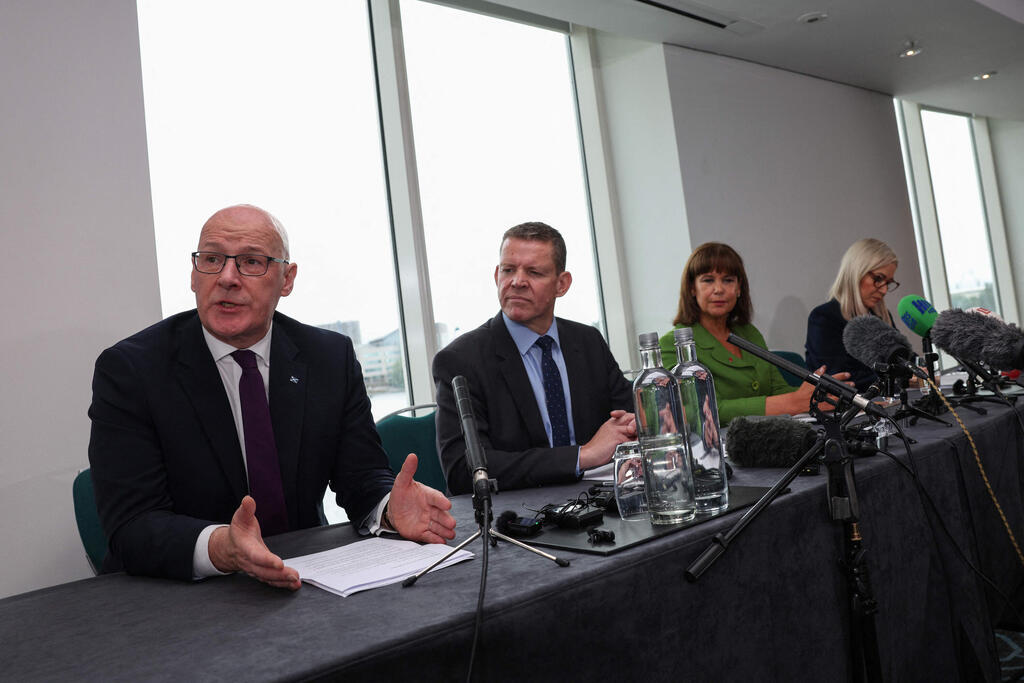
From left: Scottish National Party leader John Swinney, Plaid Cymru leader Rhun ap Iorwerth, Sinn Féin President Mary Lou McDonald and Sinn Féin Vice President and Northern Ireland First Minister Michelle O’Neill at a summit in Cardiff, where leaders from Scotland, Wales and Northern Ireland signed a declaration of intent calling for self-determination from Britain
(Photo: Adrian DENNIS / AFP)
“For the first time ever, people across these islands have first ministers in Scotland, in Wales and in the North of Ireland who are all committed to independence from the United Kingdom,” the document said.
“For people watching across these islands — for people watching around the world — there could be no clearer sign that Westminster's time is coming to an end,” it said. Westminster is commonly used as shorthand for Britain’s Parliament and central government.
The leaders pledged to strengthen cooperation among their parties and identify practical areas where working together could produce tangible change.
The document also outlined plans to “reject Whitehall’s broken economic model,” using another common shorthand for the British government, derived from the London street where many government departments are based.
It also declared that “the future of our nations belong in the European Union,” reflecting opposition among many voters in Scotland and Northern Ireland to Britain’s departure from the EU, known as Brexit. Wales, however, voted by a narrow majority to leave the bloc in the 2016 referendum.
The three leaders declared that Scotland, Wales and Northern Ireland have a “right to determine its own future,” but again stopped short of setting clear targets or timetables for exercising that right.
“No Westminster government has the right to block democracy or undermine the principle that our people will decide their own future,” the declaration said. “We recognize that our parties have different constitutional positions and that each nation will determine its own future in its own way and in its own time.”
Michelle O’Neill, vice president of Sinn Féin and first minister of Northern Ireland, said during Monday’s meeting that no British prime minister would be able to prevent the eventual breakup of the United Kingdom.
“Our common cause here is that Westminster does not and will never serve our people well,” she said.
Sinn Féin is calling for a referendum on Irish reunification in Northern Ireland by 2030. O’Neill said Trump’s comments over the weekend showed that “the unity debate is very much alive. Our nations have the right to self-determination.”
Mary Lou McDonald, president of Sinn Féin in Ireland and Northern Ireland, also attended the signing ceremony. She described the agreement as “historic.”
“We have the right to referendum. We have the right to decide our future. We will not accept or tolerate any prime minister telling us that right is off the table,” McDonald said.
Scottish First Minister John Swinney, who leads the pro-independence SNP, said he hoped Scotland would hold another independence referendum within five years. He stressed, however, that he would rather leave the question of timing to the Welsh people when it came to Wales.
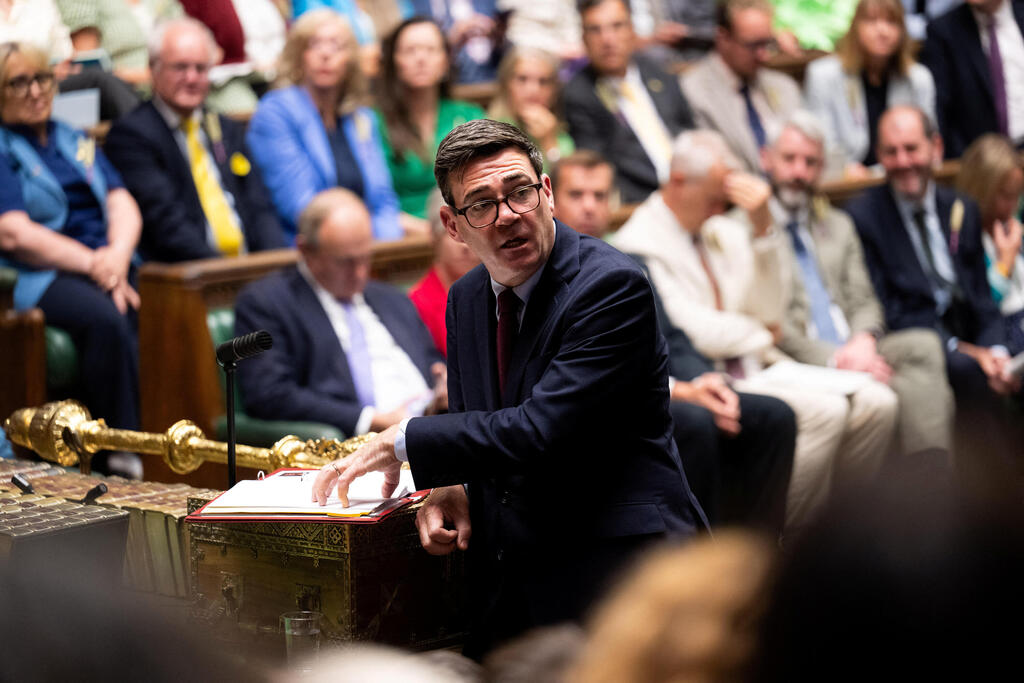
British Prime Minister Andy Burnham
(Photo: © House of Commons/Handout via REUTERS)
Swinney described Prime Minister Andy Burnham as the “last prime minister of the United Kingdom.”
Alongside the Welsh and Northern Irish leaders, Swinney stressed that each independence movement would follow its own path.
“We will each individually be responsible for our own journeys,” he said, “but we are absolutely united by that principle of self-determination.”
Union supporters furious: ‘They want to destroy the United Kingdom’
The significance of the declaration is largely symbolic. Although its signing increases pressure on the government in London, the final say over whether future referenda can be held ultimately rests with the British government.
Burnham’s spokesperson reiterated the government’s opposition Monday and called instead for a focus on improving the economic situation of people across Britain.
“The Prime Minister is committed to delivering change across all four nations of the United Kingdom and believes strongly in the Union,” the spokesperson said. “The United Kingdom is at its best when people come together around our shared values and problem-solving rather than division.”
“The UK Government is focused on addressing the issues that matter most to families, including easing pressures on household finances and delivering greater economic security, rather than engaging in constitutional debates or further referendums,” the spokesperson added.
The separatist declaration also drew criticism from supporters of the union in Scotland, Northern Ireland and Wales.
“Many people across Scotland will recoil at the sight of John Swinney joining forces with Sinn Fein in their shared desire to destroy the United Kingdom,” said Russell Findlay, leader of the Scottish Conservatives.
“They will also be appalled by the SNP's continued disrespect towards the majority of Scots who reject separation and want the devolved government in Edinburgh to get on with its job,” he said.
Emma Little-Pengelly of Northern Ireland’s Democratic Unionist Party, or DUP, which supports remaining part of the United Kingdom, also criticized O’Neill over her participation in the Cardiff summit.
Little-Pengelly serves as deputy first minister alongside O’Neill under Northern Ireland’s power-sharing system, a central feature of the 1998 Good Friday Agreement. She accused O’Neill of attempting to use the office of first minister for political purposes.
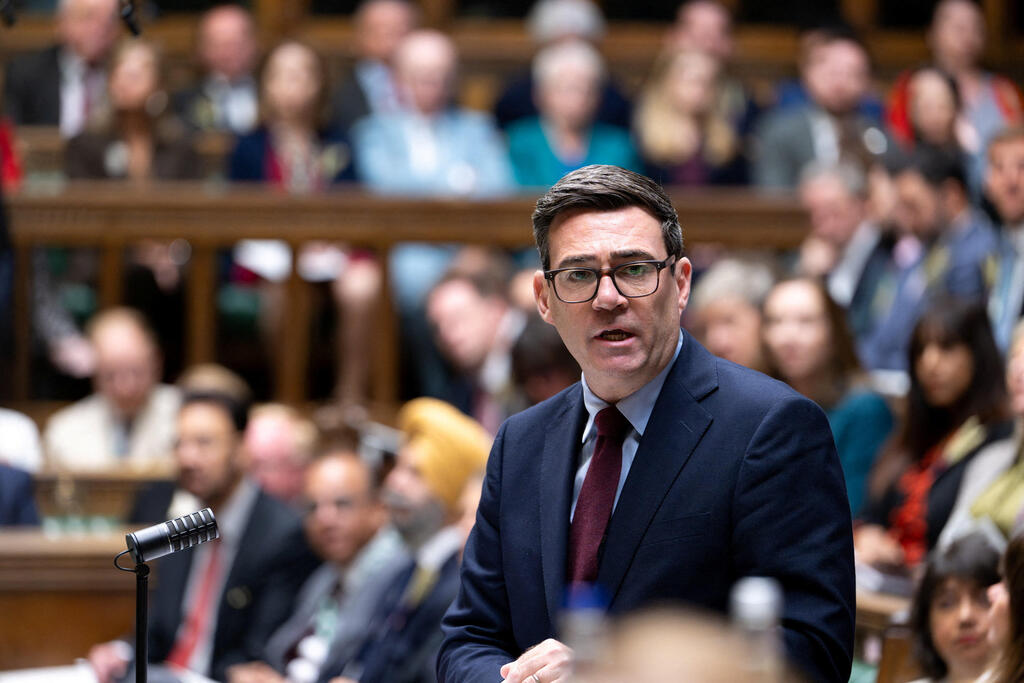
Burnham
(Photo: © House of Commons/Handout via REUTERS)
“We need to be very clear. It is not a summit of first ministers. She may be first minister, which is of course a joint role along with myself, but she is there absolutely in a Sinn Féin capacity,” Little-Pengelly said. Meanwhile, Burnham’s office announced Monday evening that his father, Roy, had died at age 86.
His father had Alzheimer’s disease, and Burnham said in July, shortly before succeeding Keir Starmer as prime minister, that his condition had deteriorated to the point that he was unaware his son was about to become prime minister.
Burnham said at the time that alongside his sadness, he also felt a sense of pride.
“The way I see it, it’s his achievement too,” Burnham said. “An achievement for the whole family, even though he is not aware of it.”
Following his father’s death, Burnham’s office said all of the prime minister’s engagements Monday and Tuesday had been canceled, including a meeting Monday evening with senior business leaders.