


Prime Minister Benjamin Netanyahu landed in Washington around midnight Israel time for his seventh visit to the US capital since President Donald Trump returned to the White House in January last year.
The meeting will be the eighth between the two leaders during Trump’s current term, including the president’s brief visit to Israel last October for the release of the hostages. No other world leader has met Trump as frequently during his current presidency.
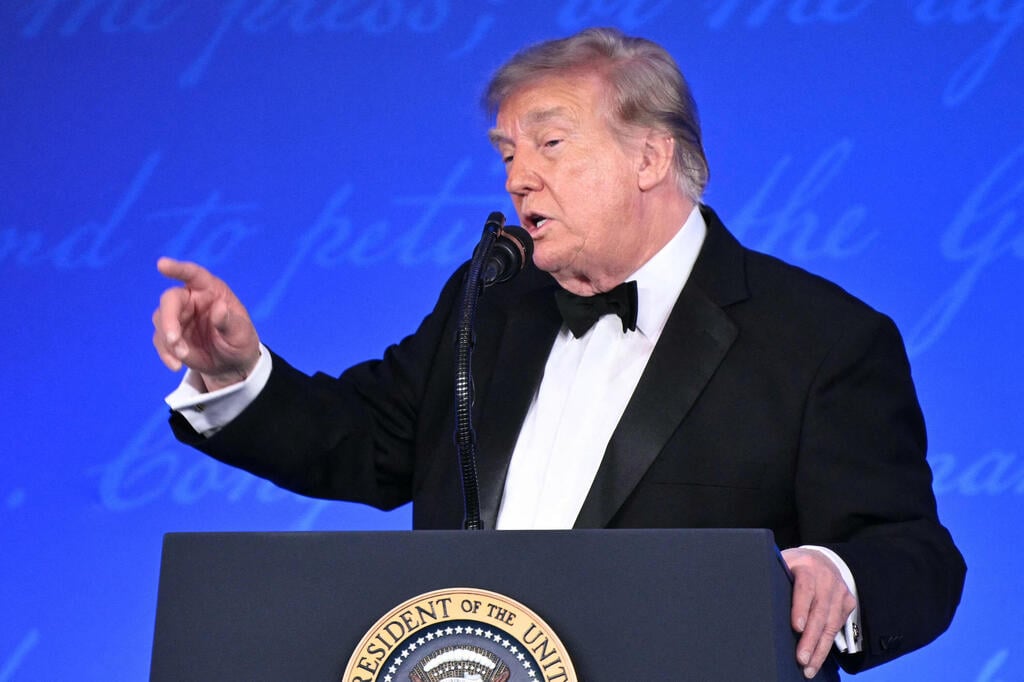
Netanyahu will meet Trump as the United States pauses its strikes on Iran and the president publicly touts what he has described as constructive contacts with Tehran.
“We’re having friendly talks. We’re talking to them right now,” Trump said, while adding that the US and Israel remained closely aligned on Iran.
According to Netanyahu’s schedule, the meeting is set for 11 a.m. Washington time Tuesday, or 6 p.m. in Israel. About three hours later, the prime minister is due to attend the funeral of Republican Sen. Lindsey Graham, one of Israel’s most prominent supporters in Washington.
Netanyahu’s Wednesday schedule has not yet been announced, although he is expected to hold additional meetings. He is due to leave Washington that night and return to Israel on Thursday.
The visit comes after a series of reports describing strains between Trump and Netanyahu, including one claim that the president had privately used derogatory language about the Israeli leader.
For Netanyahu, the meeting is therefore also intended to demonstrate to Iran, the American public and Israelis that his relationship with Trump remains strong and that he is still being received with full honors, including accommodation at Blair House.
There had been concern in Netanyahu’s circle that no meeting would take place. The visit was postponed twice, and an advance team from the Prime Minister’s Office traveled to Washington three times, returning home without the visit going ahead on two of those occasions.
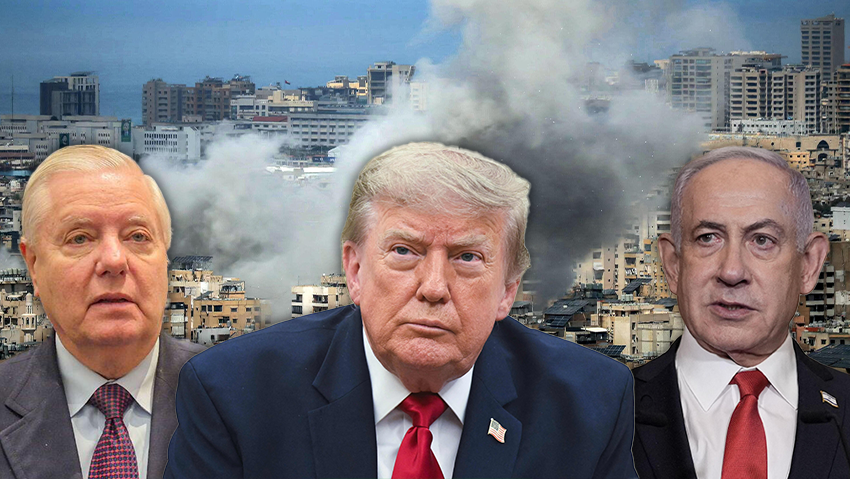
(Photot: Ibrahim AMRO/AFP, Oliver CONTRERAS/AFP, SAUL LOEB/AFP, Ido Erez)
Netanyahu’s difficulties in Washington may lie less with Trump himself than with several of the president’s closest advisers, including Vice President JD Vance and envoys Steve Witkoff and Jared Kushner. The prime minister is not considered popular among some figures around Trump, nor across much of Washington, especially among Democrats and parts of the Republican Party.
Netanyahu nevertheless believes that a private meeting with Trump will improve communication and allow the two leaders to coordinate more effectively over what comes next.
Previous meetings have produced major decisions. Following their last meeting in February, Israel and the US agreed on Operation Lion’s Roar against Iran. The campaign was later followed by disappointment and recriminations in Washington, where officials blamed Netanyahu and the Mossad for failures connected to the operation. Even so, the meeting helped pave the way for a major military campaign.
Iran, Iran, Iran
Iran will dominate the meeting. Netanyahu does not want to be portrayed as a warmonger and is not expected to press Trump openly to resume military action. His broader message, however, will be that the Iranian regime must ultimately fall.
Israel argues that Tehran has not abandoned its ambition to obtain a nuclear weapon and is working to rebuild both its nuclear and ballistic missile capabilities. Netanyahu is expected to present Trump with updated intelligence on Iranian efforts to bury strategic assets deep beneath the 'Pickaxe Mountain', seeking protection from bunker-busting bombs.
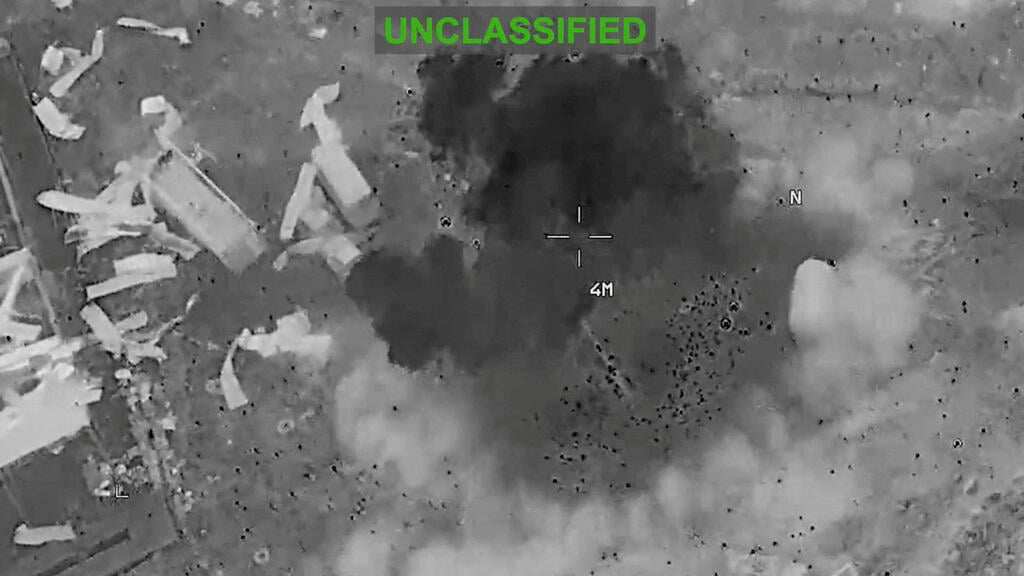
Footage of US military strikes in Iran
(Photo: US Central Command/Handout via REUTERS)
From Tehran’s perspective, Trump’s decision to halt the weekend offensive represents another victory over Washington. Israeli officials believe the Iranians now feel emboldened and increasingly confident that they enjoy a degree of immunity. Trump has said he is giving negotiations another chance and that the US could resume attacks if diplomacy fails.
Israeli officials reject reports that the fighting was suspended because of shortages of interceptor missiles and precision-guided munitions, describing those claims as an excuse rather than the real reason.
Some Israeli defense officials assess that Trump simply does not want a wider war. In their view, he has repeatedly moved close to military action only because he felt he had no alternative, while continuing to believe that threats alone would frighten Iran into making concessions.
Israel’s assessment is that this strategy has not worked. From Jerusalem’s perspective, Washington has reached a decisive crossroads over Iran. US forces have exhausted their immediate objectives around the Strait of Hormuz and understand that the next phase would involve a far more intensive war. Netanyahu will seek to ensure that whatever course Trump chooses, Israel does not face a situation in which Iran’s economy rapidly recovers.
Israel is unhappy with the emerging memorandum of understanding and would prefer the current model of negotiations under continued military pressure. Israeli officials are particularly concerned that sanctions relief and renewed oil exports could provide Iran with tens of billions of dollars, allowing it to rebuild its economy and restore military capabilities.
The two leaders are also expected to discuss whether military action or other measures could help accelerate the collapse of the regime. Above all, Netanyahu wants to align with Trump around what both leaders describe as their overriding objective: preventing Iran from obtaining a nuclear weapon.
Saudi Arabia will also feature prominently in the talks, including its civilian nuclear ambitions and the potential expansion of the Abraham Accords. A breakthrough with Riyadh could give Netanyahu a significant diplomatic achievement ahead of Israel’s elections.
The problem for the prime minister is that Saudi officials are not currently interested in taking such a dramatic step with his government and would prefer to wait until after the Israeli election and the formation of the next coalition.
Trump, however, could still attempt to push the process forward, particularly if he decides that helping Netanyahu would serve his own regional or political interests.
Lebanon is another major issue on the agenda. Trump held what officials described as a highly successful meeting last week with Lebanese President Joseph Aoun. The two were said to have developed strong personal chemistry, and Washington now wants to expand a pilot program in southern Lebanon under which the Lebanese military would enter additional areas.
Israel is prepared to broaden the pilot programs but insists on maintaining a security zone in both Lebanon and Syria. Netanyahu is expected to warn that despite the positive atmosphere, the Lebanese army is still incapable of disarming Hezbollah and that any expansion must therefore proceed cautiously. Another round of negotiations with Lebanon is scheduled to take place in Rome next week.
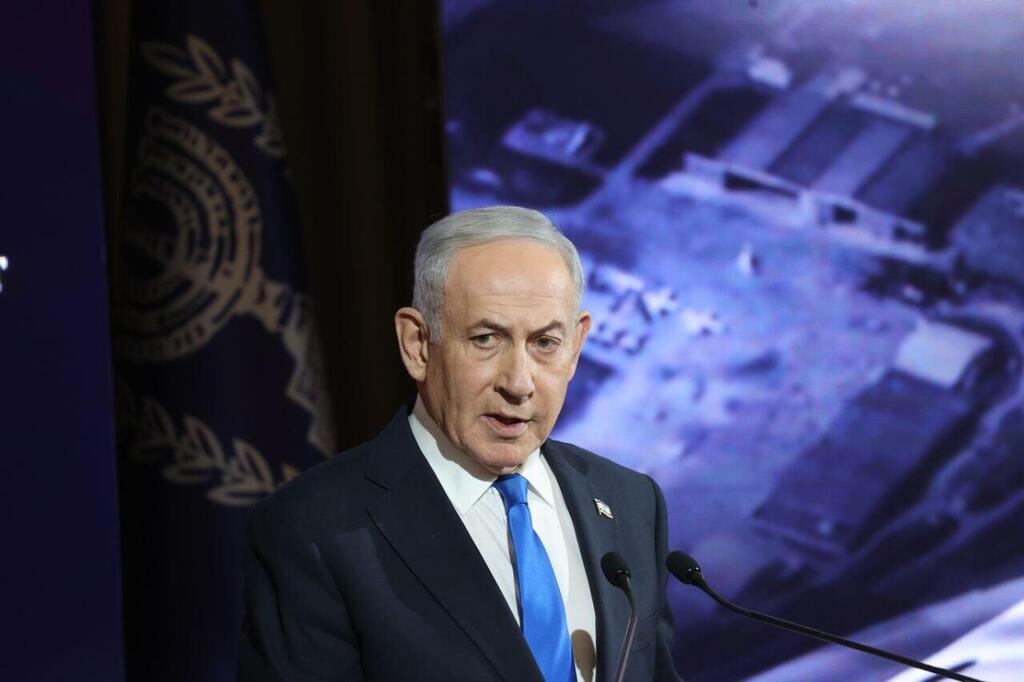
Prime Minister Netanyahu
(Photo: Alex Kolomoisky)
In an unusual move, Netanyahu departed aboard the Wing of Zion state aircraft from Nevatim Airbase rather than Ben Gurion Airport.
The plane flew over Italy and France despite the arrest warrant issued against him. The route was coordinated with both countries, which assured Israel that Netanyahu would be allowed safe passage. Officials said the decision was made for security reasons. Netanyahu traveled without accompanying journalists, as he has done on previous occasions.
No press conference or joint statement is currently scheduled after the Trump meeting, although the plans could change. The format resembles the closed meeting held in February, which was followed by the US-Israeli military campaign against Iran.
Before departing for Washington, Netanyahu said Iran would be the central issue in his talks with Trump.
“I will discuss all the issues on the agenda with President Trump, foremost among them Iran,” he said. “Our goal is to safeguard our security and also expand the circle of peace around us. From my experience as prime minister, in these complex times, one must act with both great determination and great wisdom.”
First published: 01:32, 07.28.26