


In the eerily quiet industrial zone at the entrance to Kiryat Shmona, once bustling with customers and thriving businesses before the war, Ofir Daniel breaks the silence with the sound of air drills and the rhythmic pounding of hammers on deflated tires.
“Before the war, I worked at an accounting firm as a bookkeeper and mortgage advisor,” Daniel says. “But I realized that wasn’t for me. So I came back here, to the shop my father, Ronen, used to run.”
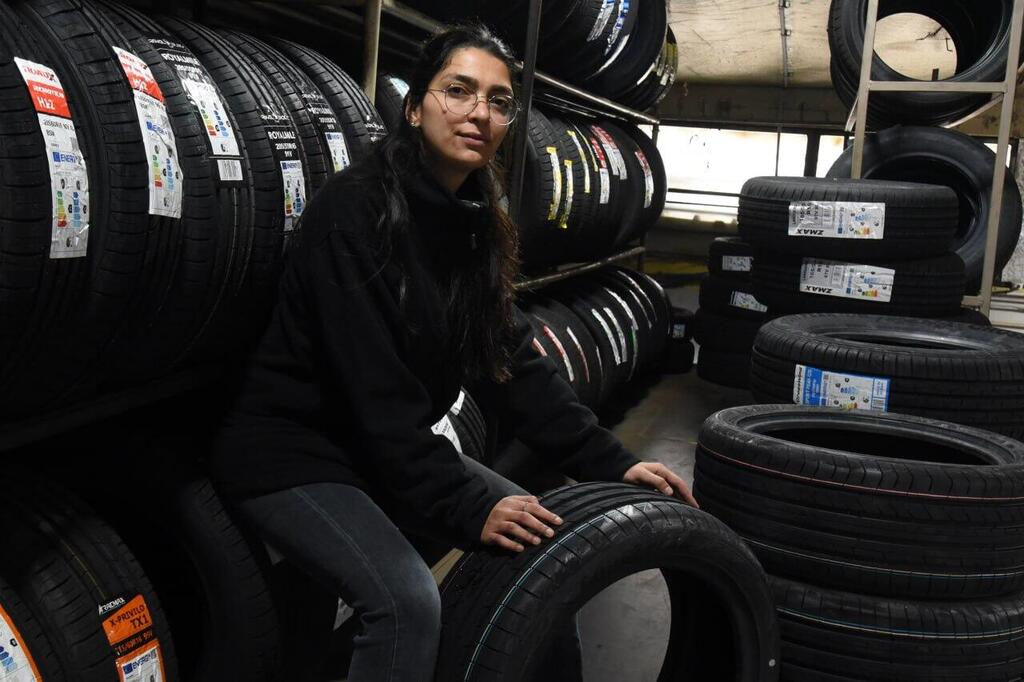
Nearly three years ago, her father shut down “Ronen Daniel Tires” and sold the business. Even after the fighting in the north ended and residents returned from months-long evacuations, the shop remained shuttered, one of about 40 percent of local businesses that have not reopened. But Daniel, unable to bear the sight of her father’s life’s work abandoned, decided to bring it back to life just a few weeks ago.
“It took me a while to convince my dad that this was the right move,” she admits. “Let’s be honest, no smart person would open a business in the city right now. There are hardly any people here, other businesses are collapsing, so many have gone bankrupt. But I’m here, and I see the future. It’ll take time, but this city will thrive again.”
'On a good day, we get 20 customers'
Daniel grew up helping her father at the shop, learning the ins and outs of tire repair. Though her career took her to a computer screen and a more conventional profession, the war and evacuation prompted her to change course.
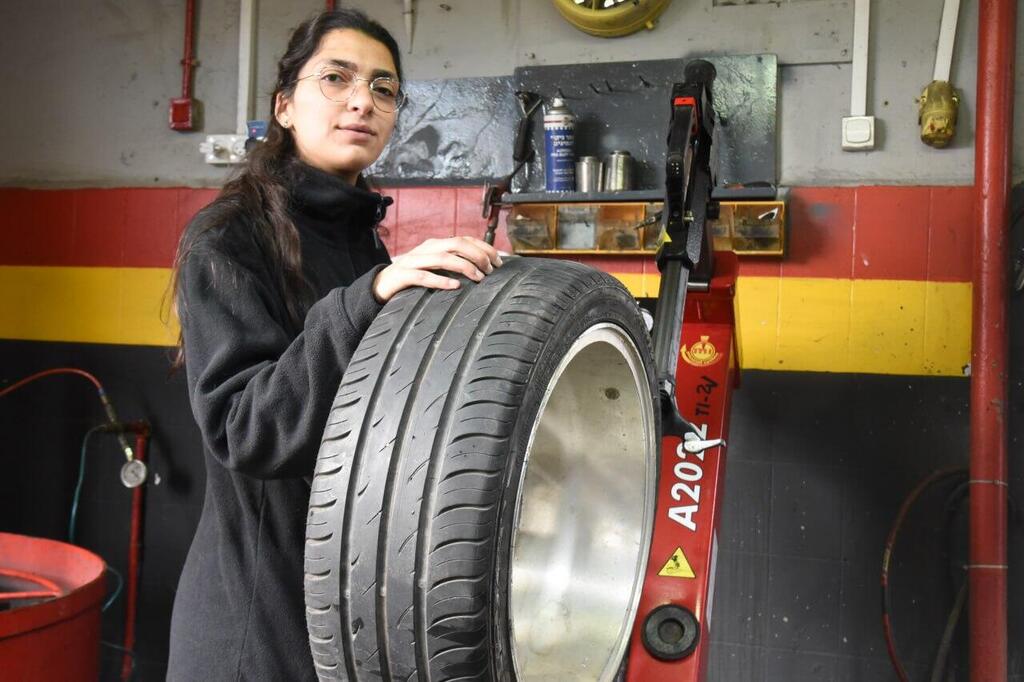
(Photo: Avihu Shapira)
“This quiet? It’s not for me,” she says with a smile, hoisting a fresh tire for a walk-in customer. “I need action, I need to move, I need energy.”
She says the labor shortage in the city is so severe that her husband, who runs a sound system business, comes by to lend a hand. “It’s hard to find workers, so for now it’s just him and me, juggling everything. On a good day, we get 20 customers.”
Many of her cohorts left Kiryat Shmona after their army service; others didn’t return after the evacuation. “There aren’t many people my age here anymore, but I believe complaining won’t help. You have to do.”
“I’m aware it’ll be tough, maybe for a year, two, even three,” she adds. “I knew coming in that it would be financially difficult. But even if the original residents don’t return, new people will come. I grew up here. I’ve never left, and I won’t. You fight for your home, even when it’s hard.”