

Britain’s defense secretary, John Healy, resigned unexpectedly on Thursday, directly blaming Prime Minister Keir Starmer for failing to allocate adequate resources to national defense amid escalating global threats.
In a resignation letter made public on his X account, Healy said he had “no other option” but to step down after repeated discussions with the prime minister and Treasury officials failed to secure sufficient funding for the armed forces.
Gallery
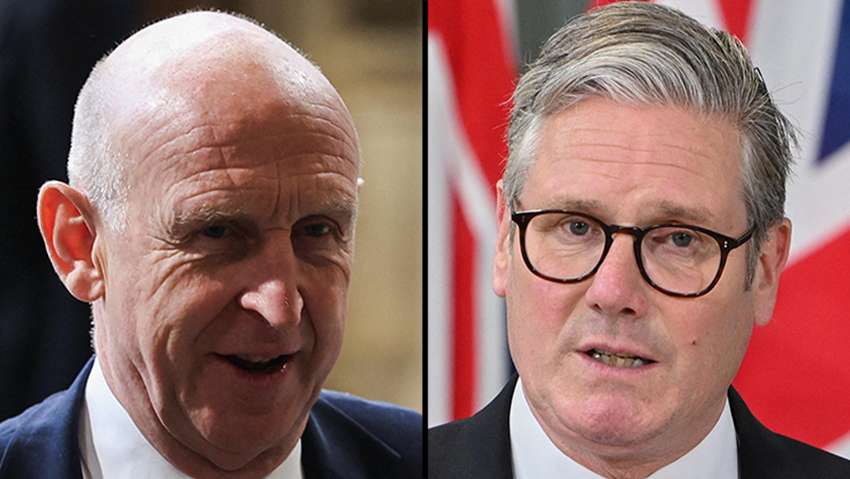
John Healy cites government’s failure to provide sufficient funding amid rising international threats
(Photo: AP, CHIP SOMODEVILLA / GETTY IMAGES/ AFP, Toby Melville/ Dmitry Serebryakov)
Healy, who has led the Ministry of Defense since the Labour government took office in July 2024, highlighted the achievements of his tenure, including Britain’s leadership in NATO initiatives, a first-of-its-kind Strategic Defense Review, large defense export deals, and boosting military morale. Despite these accomplishments, he wrote that the government’s Defense Investment Plan (DIP) “falls well short of what is required for defense and the country at this dangerous time” and that additional support is backloaded, leaving critical operational needs unmet in the near term.
The defense secretary emphasized the growing risks facing the UK, citing rising Russian activity, NATO obligations, and ongoing conflicts in the Middle East, including the multinational Strait of Hormuz mission. He noted that intelligence assessments warn of a potential Russian attack on NATO as early as 2030, reinforcing the need for timely investment.
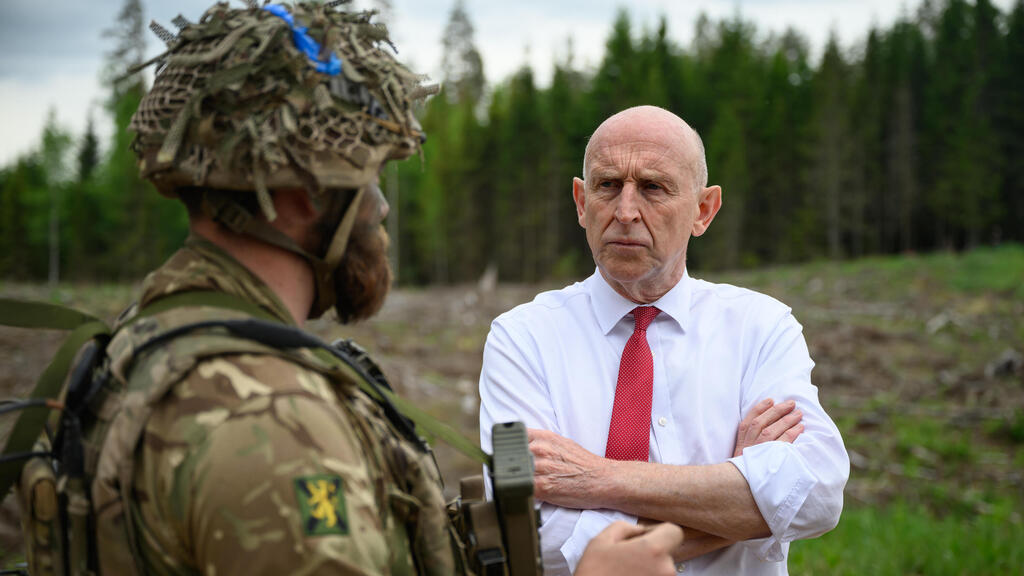
Britain’s defence secretary John Healy inspects British soldiers during an exercise in Estonia
(Photo: Leon Neal/Getty Images)
Healy’s departure comes amid increasing unrest within the Labour Party, following a series of electoral setbacks and internal criticism of Starmer’s leadership. At least 90 Labour MPs have publicly questioned his decisions, and some senior figures are reportedly considering a leadership challenge if a contest is triggered. Controversies, such as Starmer’s appointment of Peter Mandelson as ambassador to Washington despite past connections, have intensified the party’s internal divisions.
The resignation also underscores broader tensions in government over balancing defense spending with other policy priorities. While Starmer pledged to raise defense expenditure to 2.5% of GDP by 2027 and 3% by 2034, many in the defense establishment consider these increases insufficient given current geopolitical threats.
Healy concluded that without an adequate DIP, he would be forced to make decisions that could compromise the readiness of UK forces, risking personnel safety and national security. His resignation is expected to intensify scrutiny of Starmer’s leadership and the government’s approach to defense funding.
The prime minister has not yet publicly responded to Healy’s resignation.