


Even last night, like on previous nights, Israeli forces carried out raids in villages near the border in southern Lebanon. There, they encounter small Hezbollah terrorist cells armed with anti-tank missiles and other weapons, while continuing to locate additional terrorist infrastructure that Israel has yet to destroy, even after more than two years of war.
Some of those positions, Israeli officials say, were rebuilt by Hezbollah under the cover of the ceasefire.
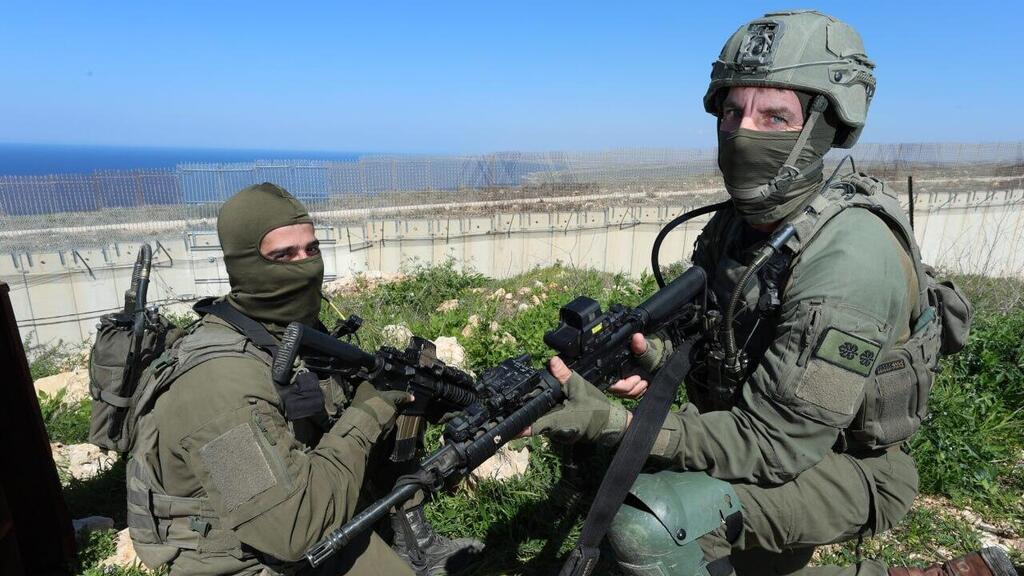
This week marked exactly one year since tens of thousands of children from communities along the Lebanon border returned to schools and kindergartens that were not fully prepared to receive them. The government hurriedly returned residents to the 42 communities from which they had been displaced for a year and a half.
At the time, the military assured them confidently: “It has never been safer here. Hezbollah has been defeated and pushed away.”
Now, less than a year later, and after a ceasefire during which the IDF continued striking Hezbollah’s rebuilding efforts and uncovering additional weapons sites, reserve soldiers are once again returning to the familiar battle zones.
Their message remains the same: “We will not return to the same reality.”
Protecting residents, not just the border
“I was here a little over a year ago,” said Lt. Col. (res.) D., a reserve battalion commander in the Givati Brigade, speaking near the border fence in the western Galilee.
“I think the main difference between being here now and a year ago is that the residents are back,” he said. “That is the difference between defending the northern border and defending the people who live in the north.”
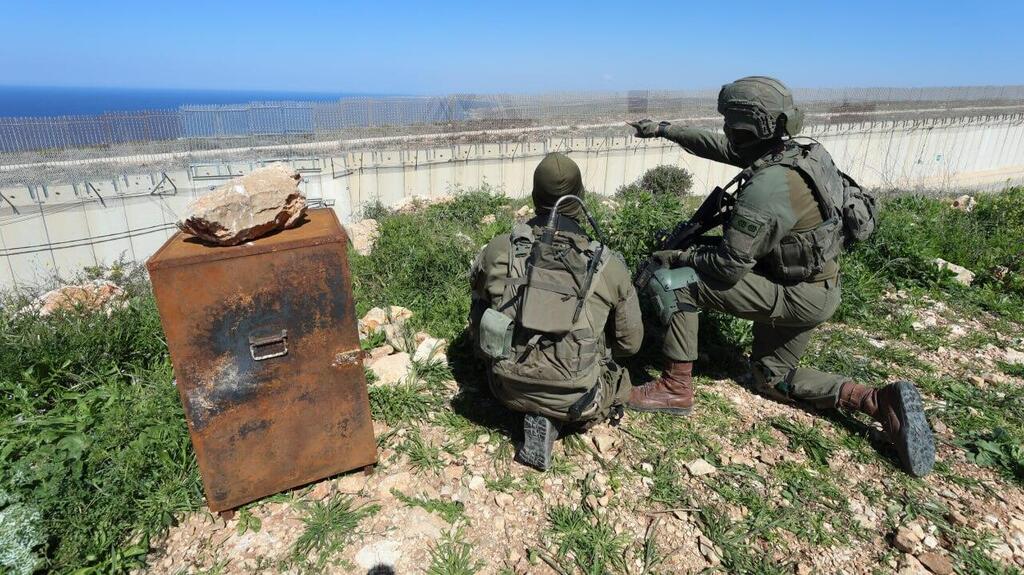
(Photo: Elad Gershgoren)
“The feeling of protecting residents gives us a lot of strength and allows us to do this properly.”
A campaign with no clear end
The threat of anti-tank missiles fired at Israeli forces operating near border communities still exists, but the risk of infiltration is now considered far lower due to the scale of forces deployed and the forward positioning of Israeli troops beyond civilian areas inside enemy territory.
According to IDF officials, the campaign against Hezbollah will not be short and will not be limited by a fixed timeline.
“This is the Gaza model, but in Lebanon,” military sources explained.
The goal is to push the fighting deeper into enemy territory and clear it from within, similar to operations carried out in Gaza that allow residents of Israeli communities near the border to maintain daily life.
“The concept now is to take one step forward,” Lt. Col. D. said. “Not to defend along the line of communities but farther ahead. That gives much more security and allows us to defend in a far better way.”
“What we were afraid to do for years, we are now doing.”
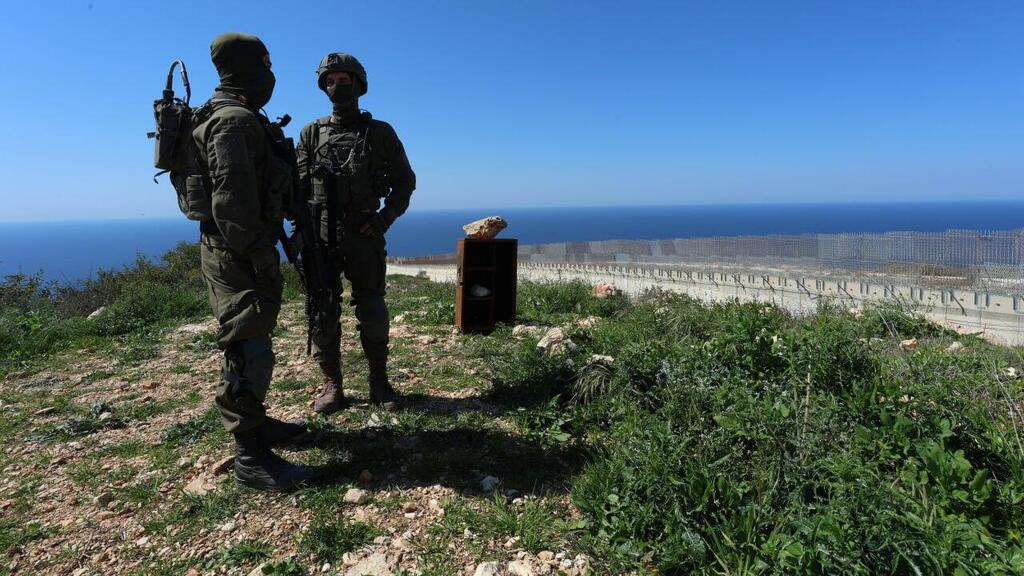
(Photo: Elad Gershgoren)
A stronger defensive posture
For residents of northern Israel, the phrase “defensive battle” carries painful memories. In the previous war, before ground operations in Lebanon began in October 2024, the IDF frequently used terms such as “defensive battle” and “lethal defense.”
In practice, that meant communities living under constant threat as Hezbollah destroyed thousands of homes across northern Israel while Israeli forces defended positions near the border.
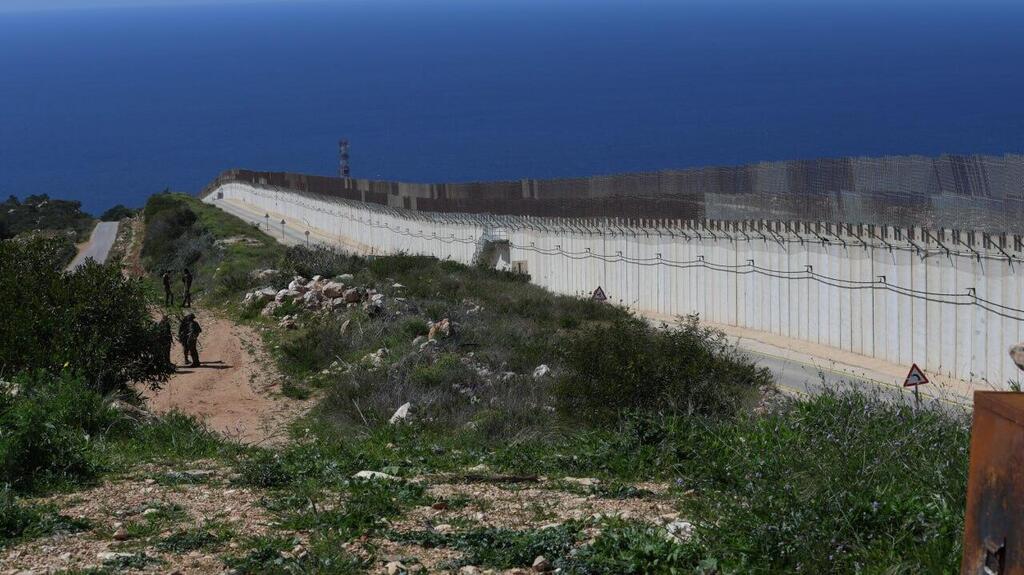
ריאיון בשטח וסיור עם מג"ד 7020
(Photo: Elad Gershgoren)
The current operational reality, even if it has not yet advanced toward the Litani River, is different.
“We are holding a very strong defensive line,” Lt. Col. D. said. “We understand that the situation here is tense and that the enemy wants to harm us.”
“We will not give residents here any reason to leave, and certainly not to live in fear. We are standing here on the front line and believe we can stop any attack this time.”
He said residents are beginning to understand that as well.
“Slowly, they will believe in the protection the army provides here.”
Preparing for future wars
Lt. Col. D., as a battalion commander, cannot promise residents that the next war in Lebanon will be the last.
As a civilian who returned to serve in the reserves when called up again, he believes rebuilding trust is crucial for communities that were devastated by the conflict.
“When I hear one of my soldiers say, ‘I’m coming to live here,’ it means he believes it is safe,” he said.
“And that we are here to make sure this threat finally ends.”
Moving the border north
Among the reservists deployed in northern Israel are many residents of border communities themselves. In previous rotations, they defended abandoned homes. Now they say they are defending their families.
One reservist near Nahariya described frustration with how events unfolded after the previous war, but also hope that the current campaign will end differently.
“When we finished the maneuver in Lebanon last year, I told my friends we would probably have to fight the Fourth Lebanon War as well,” he said.
“The decision to remove the concrete barriers along the border roads to signal ‘business as usual’ came back to us like a boomerang.”
“They rushed to bring residents back so they would not have to pay compensation to evacuees. Now they will have to pay compensation for property damage, not to mention the cost in human lives.”
Like many residents of the confrontation line, he believes the border itself must shift northward.
“The border must move toward the Litani River,” he said. “The terrain here allows enemy forces and drones to infiltrate under the cover of vegetation.”
“We must not stop the war again with a ceasefire that allows Hezbollah to continue to exist. Until those two things happen, there will be no real security here.”