

Firefighters in France and Spain continued battling massive wildfires Monday afternoon after days of blazes that have forced the evacuation of more than 326,000 residents and tourists.
The fire that threatened Madrid over the weekend has moved south of the Spanish capital, but remains out of control. Fire crews in Spain are also fighting a new major blaze in the Valencia region. In France, thousands of firefighters, soldiers and volunteers are trying to prevent flames from reaching Bordeaux, the country’s wine capital, with the fire now just 15 kilometers, or 9 miles, from the city.
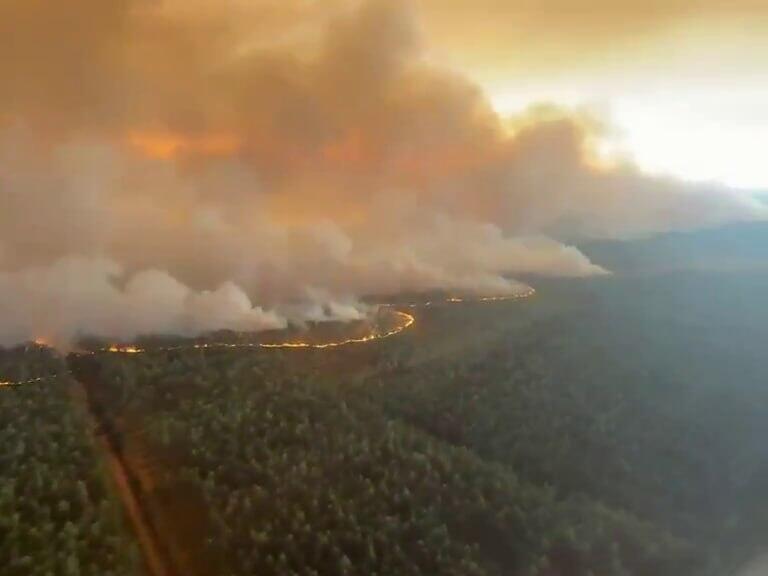
Aerial footage: Massive wildfire near Bordeaux


Farmers turn firefighters, using tractors to deliver water tanks to fire crews in Bordeaux on Sunday
Dramatic footage of the battle against the flames west of Madrid on July 25
In France, 250,000 people have been evacuated because of several fires. Most of them — 220,000 residents — were displaced by the massive blaze that has raged since Wednesday in the Gironde region of southwestern France, a popular tourist destination that includes Bordeaux.
Authorities believe the fire began in the western part of the region near the Atlantic coast and was not deliberately set. It initially threatened the Ferret Peninsula, which was urgently evacuated Friday, but the flames have since spread east toward Bordeaux. Several villages and suburbs have been evacuated over the past two days.
The fire is France’s largest this year and one of the country’s biggest in decades. It has burned 42,000 hectares, or about 104,000 acres, an area four times the size of Paris. At least 240 homes have burned, many of them in the village of Le Forges. No deaths have been reported, likely because of the mass evacuations, though dozens of firefighters have been injured.
Authorities in Gironde said Monday morning that the fire remained “generally stable” overnight, but was still not under control. The flames are now only 15 kilometers from Bordeaux, a city of 850,000 people that has also taken in many evacuees.
Bordeaux Mayor Thomas Cazenave warned that the fire was “at the gates of the city,” but said there were no immediate plans to evacuate residents.
French Interior Minister Laurent Nuñez said authorities were continuously assessing the situation calmly and realistically, but warned that conditions remained unfavorable. He told France 2 television that the fire was still out of control and moving toward the metropolitan area, describing the overall situation as extremely serious and unprecedented.
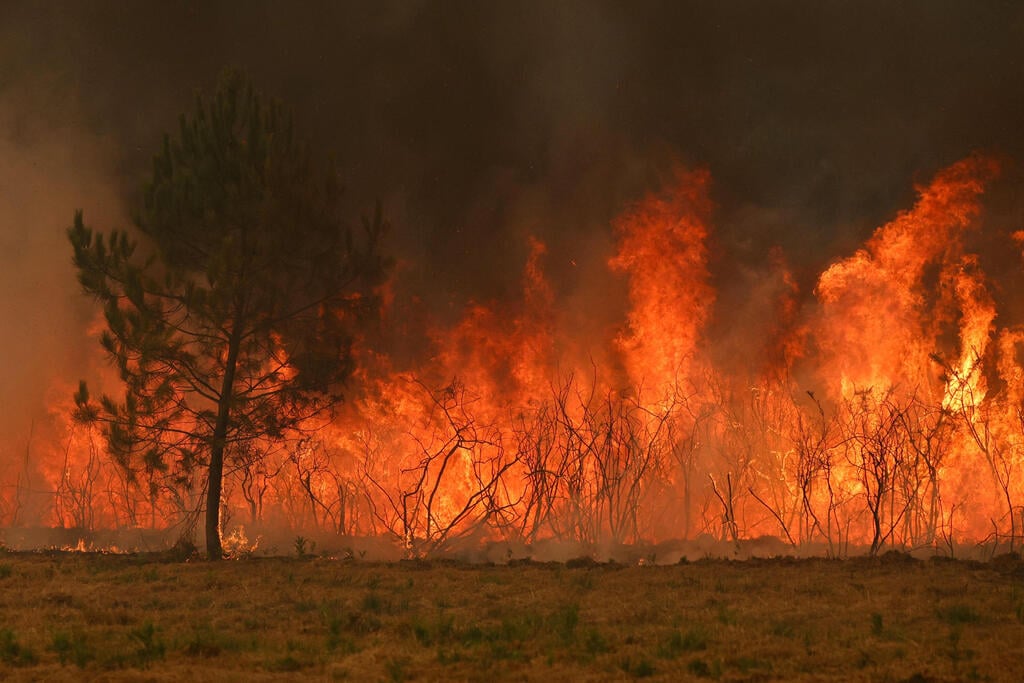
(Photo: Alain JOCARD / AFP)
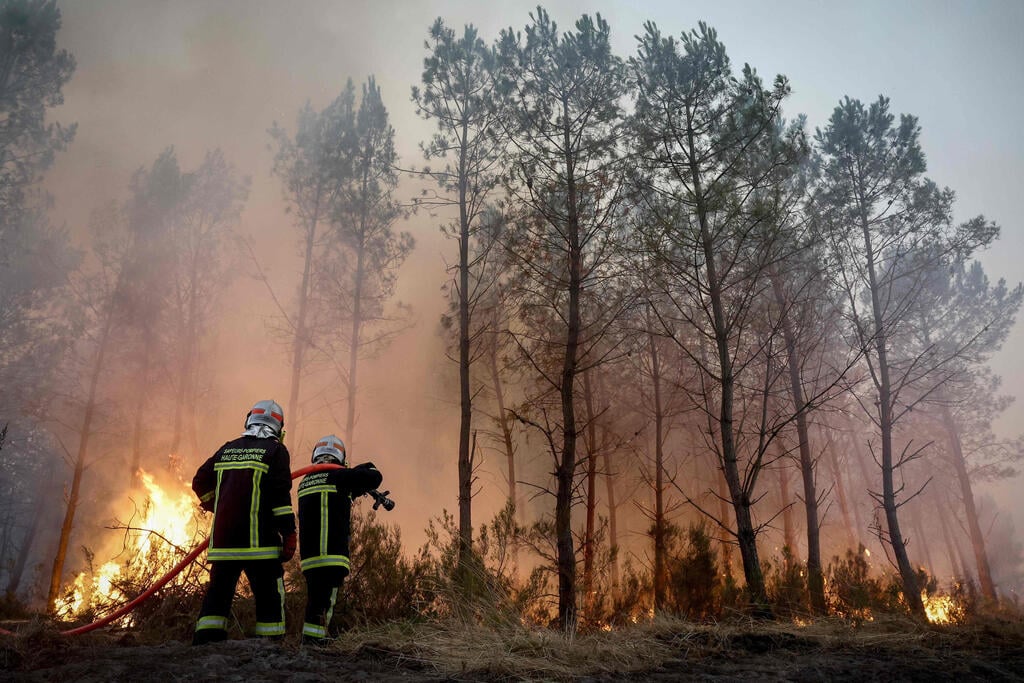
(Photo: ROMAIN PERROCHEAU / AFP)
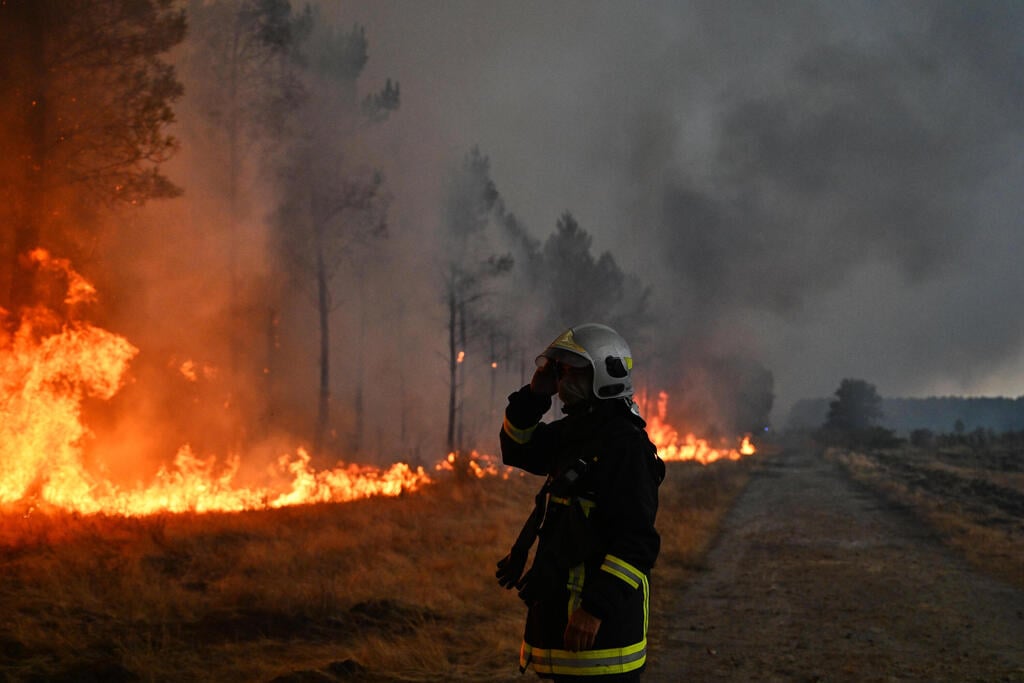
(Photo: AP Photo/Emma Da Silva)
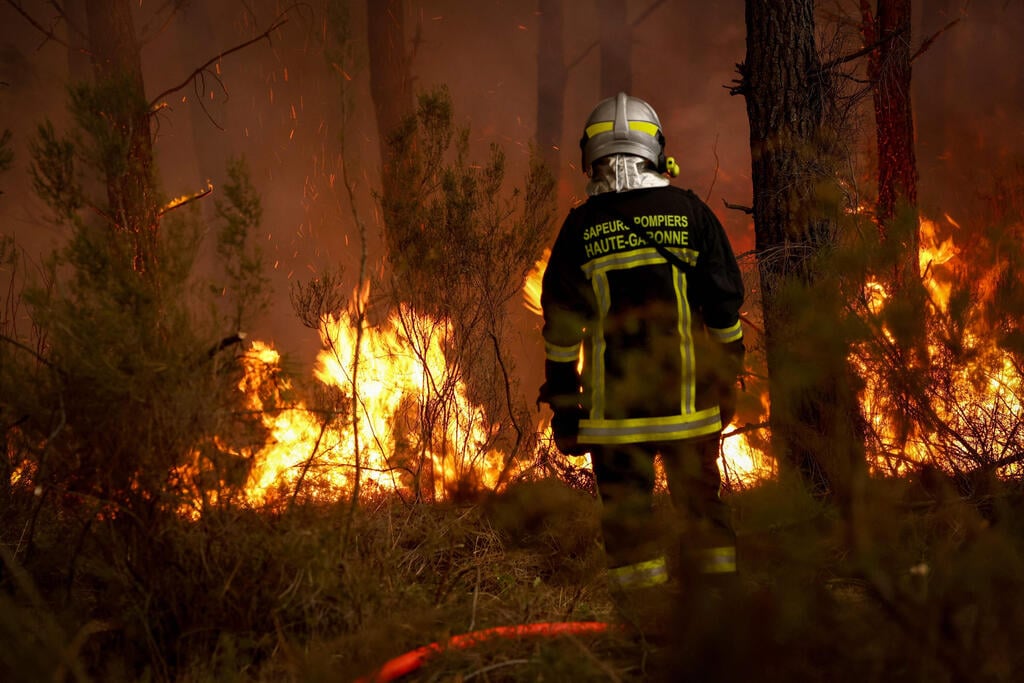
(Photo: ROMAIN PERROCHEAU / AFP)
French reports said the Bordeaux-area blaze was so large and intense that it had created a “firestorm,” a relatively rare phenomenon in which a major wildfire generates its own weather system, including powerful winds and lightning that further fuel the flames and accelerate their spread.
Although authorities reported no deterioration overnight and said there were fewer active fire fronts, officials fear the lull may be temporary after winds and weather conditions eased somewhat Sunday. The fire could intensify again Tuesday, when France’s fourth heat wave of the summer is expected to begin, bringing temperatures of up to 40 degrees Celsius, or 104 Fahrenheit, to the Bordeaux area.
Jérôme Steffe, mayor of Cestas, a Bordeaux suburb whose residents were evacuated, said firefighters were racing to contain the blaze before the heat wave returned.
French President Emmanuel Macron convened an emergency meeting with his government Monday morning and pledged to rebuild the devastated region.
“In these hours when the flames are severely testing our country, France reveals what it is: a united people, standing shoulder to shoulder,” Macron wrote on X.
About 2,500 firefighters are battling the fires in France, assisted by 1,500 soldiers and 1,200 police officers. Volunteers have also joined efforts to support exhausted fire crews. Video circulated Sunday showing a convoy of farmers using tractors to transport water tanks to firefighters. One farmer filmed himself wearing a gas mask as he entered a smoke-filled area.
Eric Brocardi of France’s national firefighters federation likened the battle to a David-and-Goliath struggle, but said he remained confident that crews would eventually bring the fire under control by identifying and exploiting a weak point.
A firefighter who spoke anonymously to Agence France-Presse described the extreme difficulty crews faced, saying the constantly shifting winds left the fire effectively dictating the course of the battle.
‘One moment there was daylight, the next darkness’
Some residents have also tried to protect their homes. In the town of Saint-Jean-d’Illac, Georges Clivaz continued spraying water from a garden hose onto the road leading to his house, even though the town had been under an evacuation order since Friday.
Clivaz told AFP that he and his family had refused to leave.
“We are doing this to slow the fire’s advance. We want to save our homes,” he said.
He said the flames were only a few kilometers from the town.
“The firefighters tell us it will be here in two or three hours.”
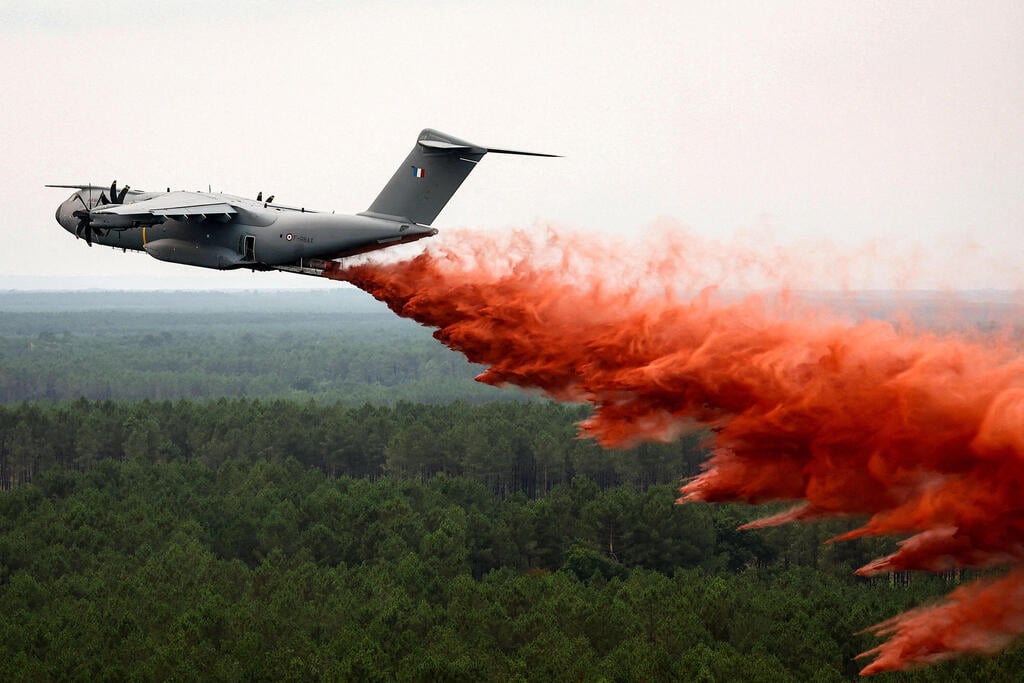
A military A400M Atlas aircraft helps battle the wildfire near Bordeaux on Saturday
(Photo: Abdul Saboor / POOL / AFP)
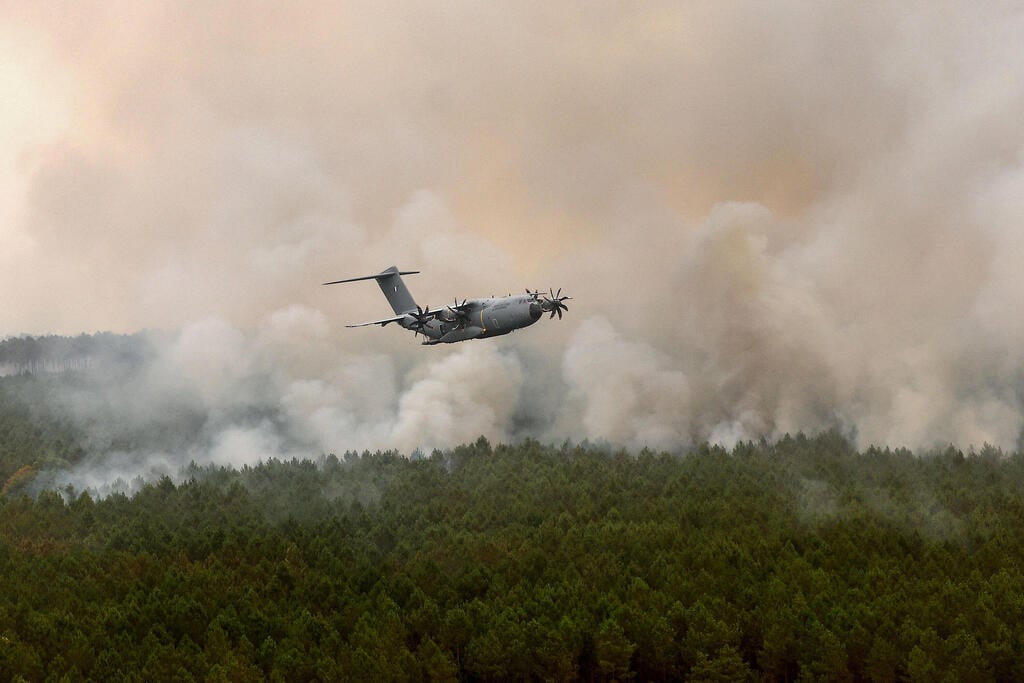
(Photo: Abdul Saboor / POOL / AFP)
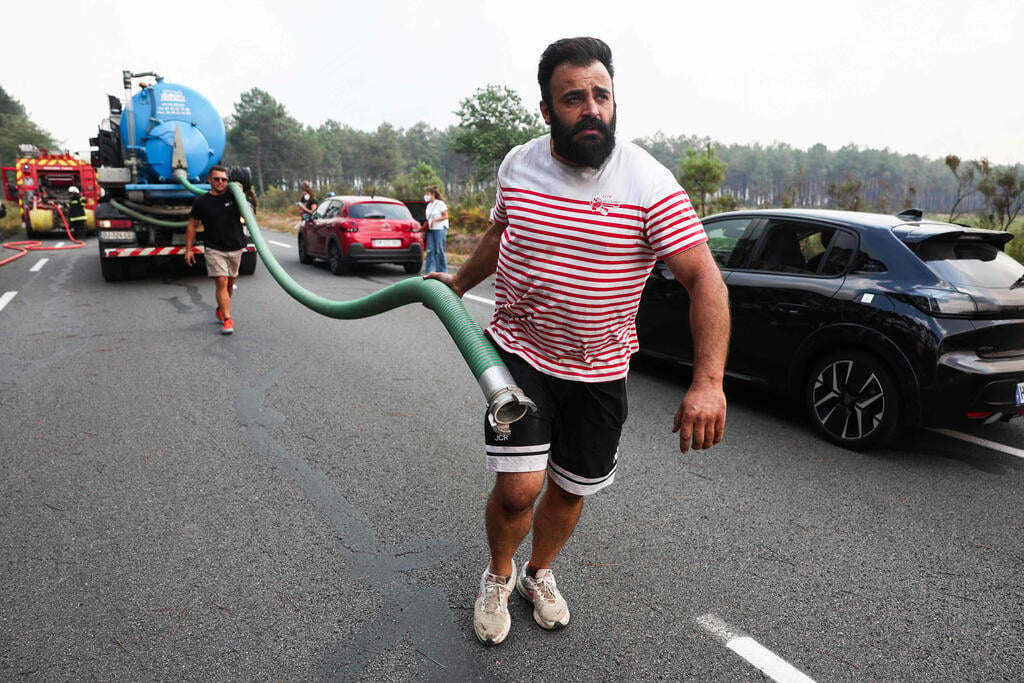
Many residents and farmers also volunteered to assist exhausted firefighters
(Photo: ROMAIN PERROCHEAU / AFP)
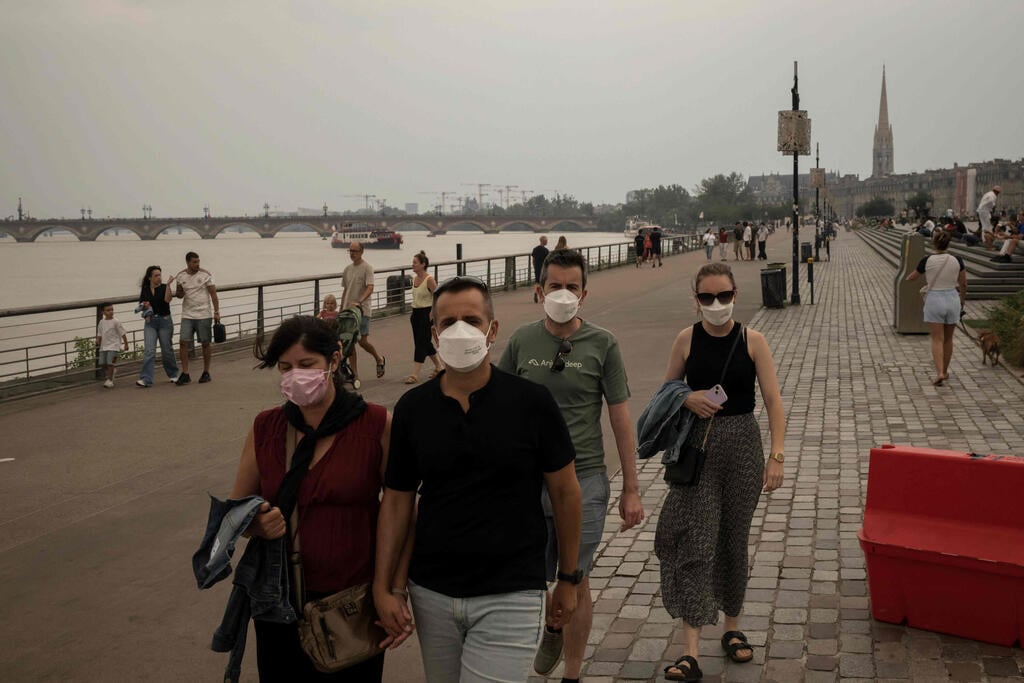
Bordeaux residents walk through the city wearing masks because of thick wildfire smoke
(Photo: Ed JONES / AFP)
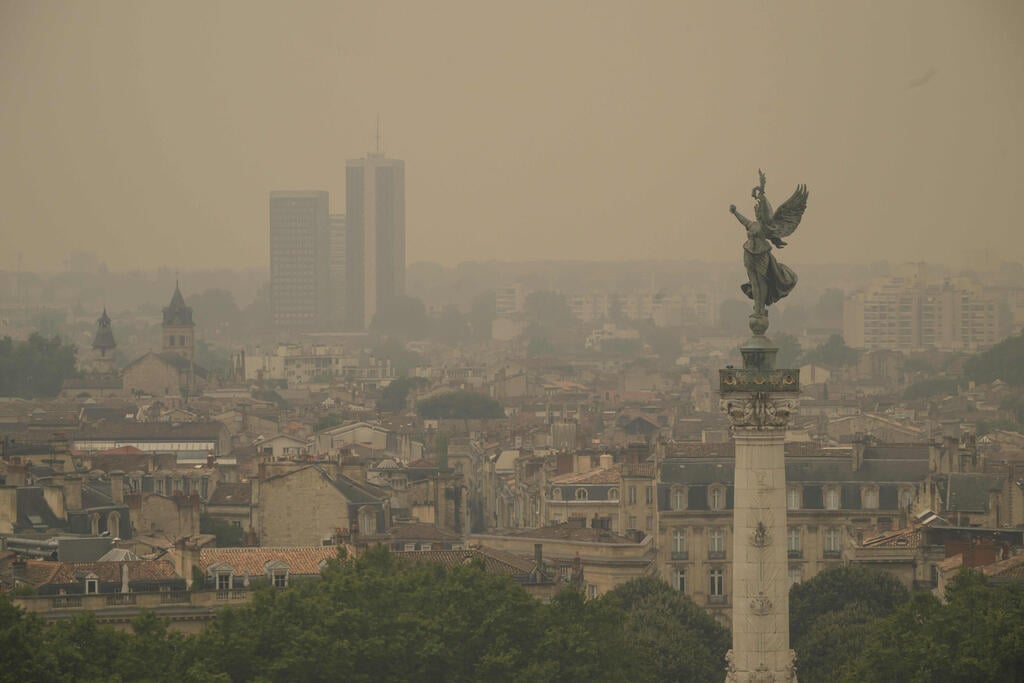
(Photo: Ed JONES / AFP)
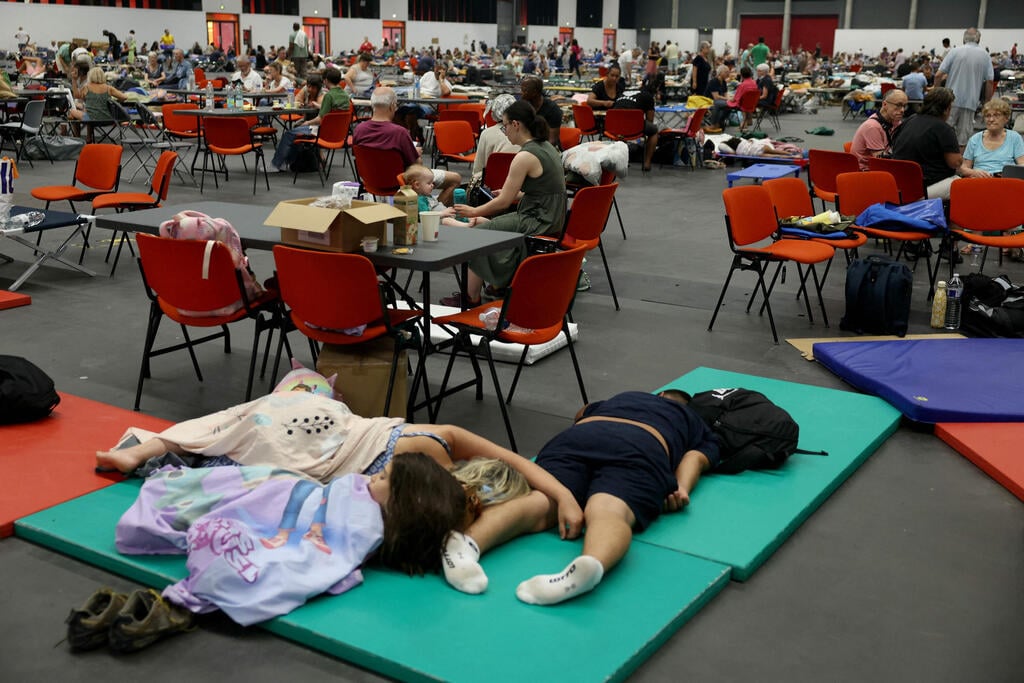
A shelter for evacuees in Bordeaux; the city itself is also now at risk of evacuation
(Photo: ALAIN JOCARD / AFP)
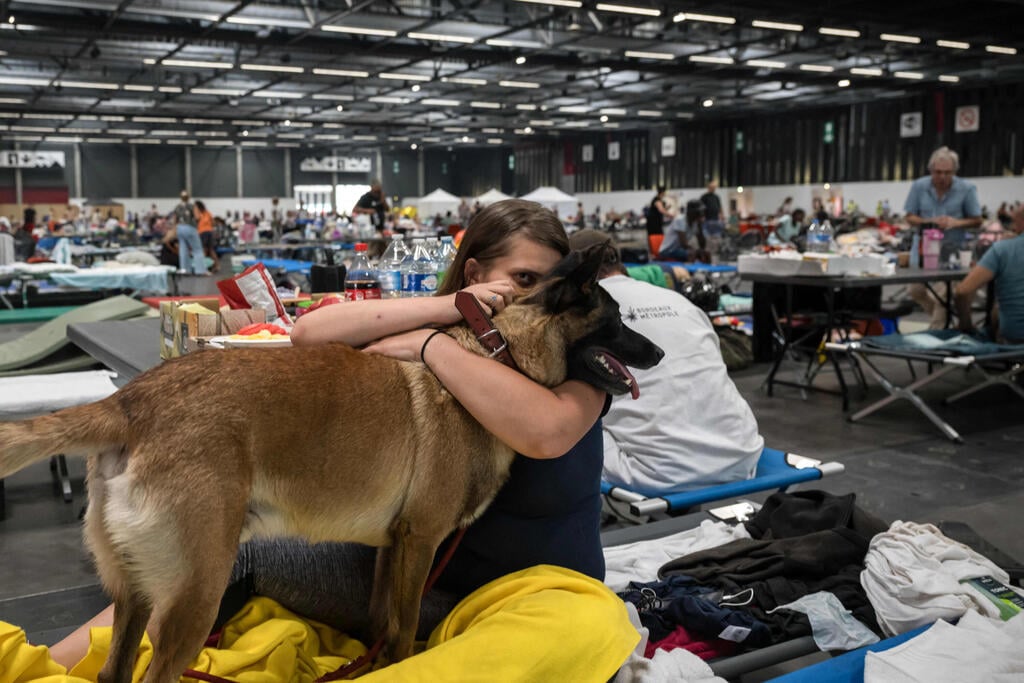
(Photo: Ed JONES / AFP)
The fire is also threatening Bordeaux’s vineyards. At Château Haut-Bacalan, the westernmost vineyard in the region, owner Charles-Henri Gonet said the fire was about 10 kilometers, or 6 miles, from his property, which is surrounded by pine forest. The vineyard produces 20,000 bottles of Merlot and Cabernet Sauvignon each year.
Gonet, 63, said his neighbors had already been ordered to evacuate and that he and his wife were waiting for an alert to reach their phones.
He said he did not believe the flames would reach his vines because the wind was currently pushing the fire farther south. But he warned that thick smoke could cause irreversible damage to this year’s crop, with the grape harvest only weeks away.
He described how the smoke arrived suddenly Friday evening.
“One moment there was daylight, and the next we were engulfed in darkness,” he said. “I could see only about 200 meters ahead, and drivers had to turn on their headlights. We could really smell the smoke, and ash was falling.”
Massive wildfires are also raging in Spain, where at least 76,000 people have been evacuated since last week, most of them from fire zones west of Madrid and in the nearby Avila region.
The Avila blaze alone has burned 50,000 hectares, or about 124,000 acres, making it the largest wildfire in Spain’s history. Over the weekend, Spain declared a national wildfire emergency for the first time.
“It was like the apocalypse. You couldn’t see anything. Everything was covered in ash,” said Rocío Domínguez, who fled with her dog, Simba, from Chapinería, west of Madrid and midway to Avila.
“We don’t know whether we will arrive and find half our house burned, whether it will still be intact or whether we will have no house at all,” she said. “All the clothes, all the memories, everything.”
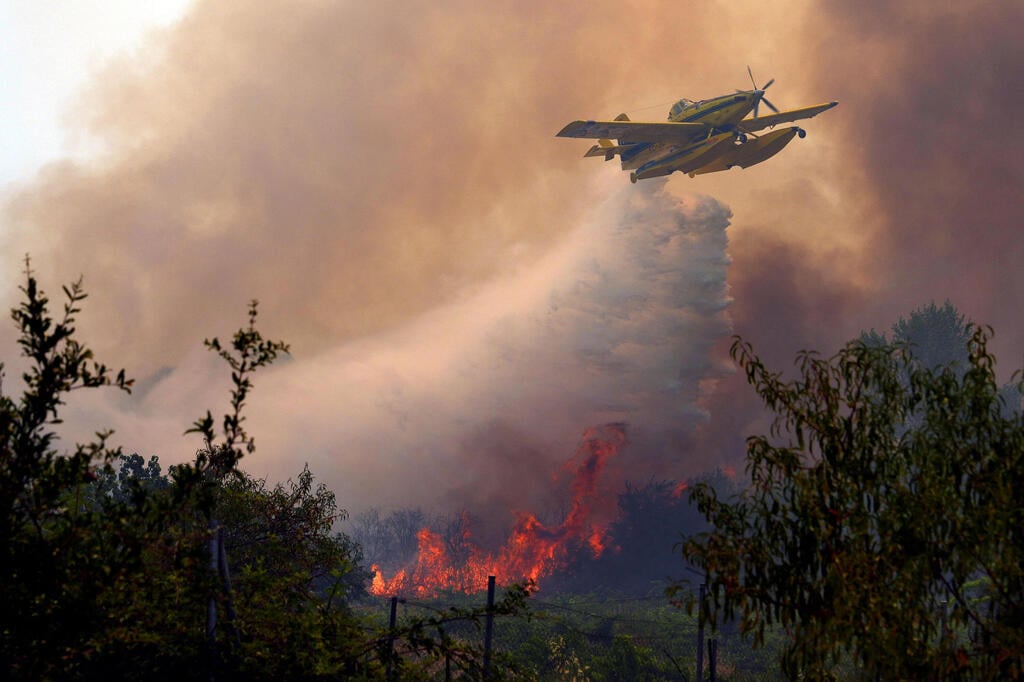
An aircraft helps battle the wildfire west of Madrid; the Avila blaze is the largest in Spain’s history
(Photo: Cesar MANSO / AFP)
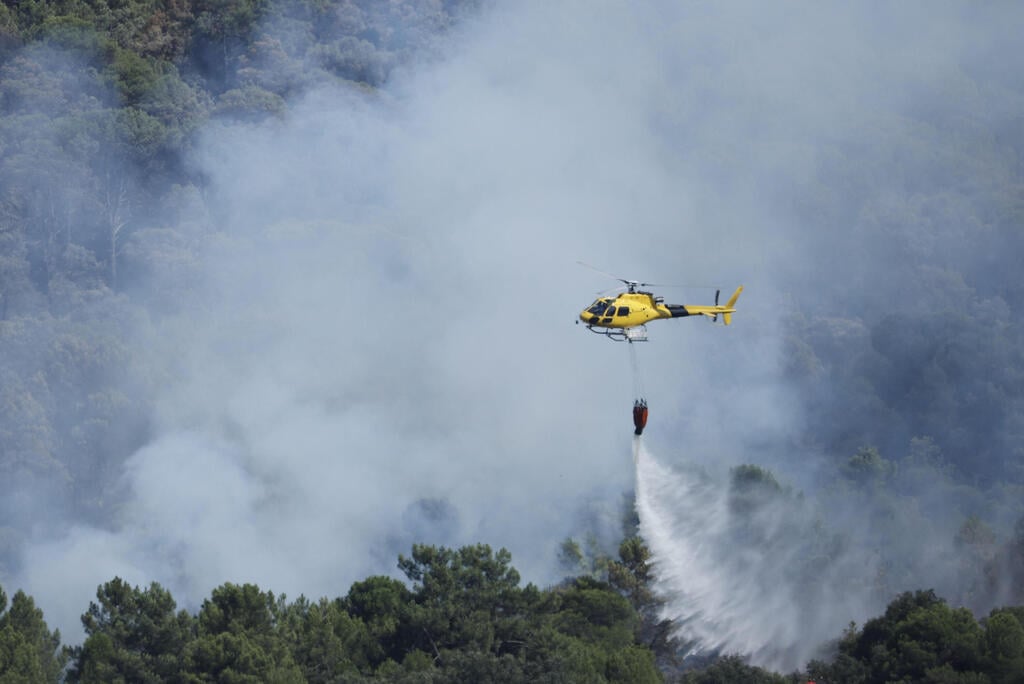
(Photo: Oscar DEL POZO / AFP)
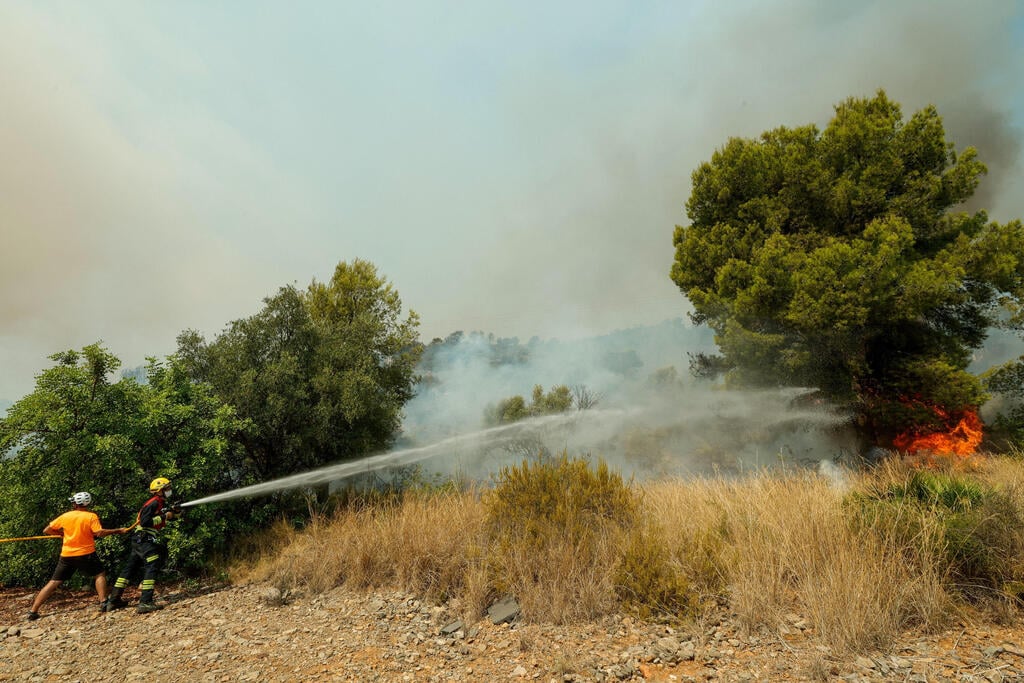
(Photo: REUTERS/Eva Manez)
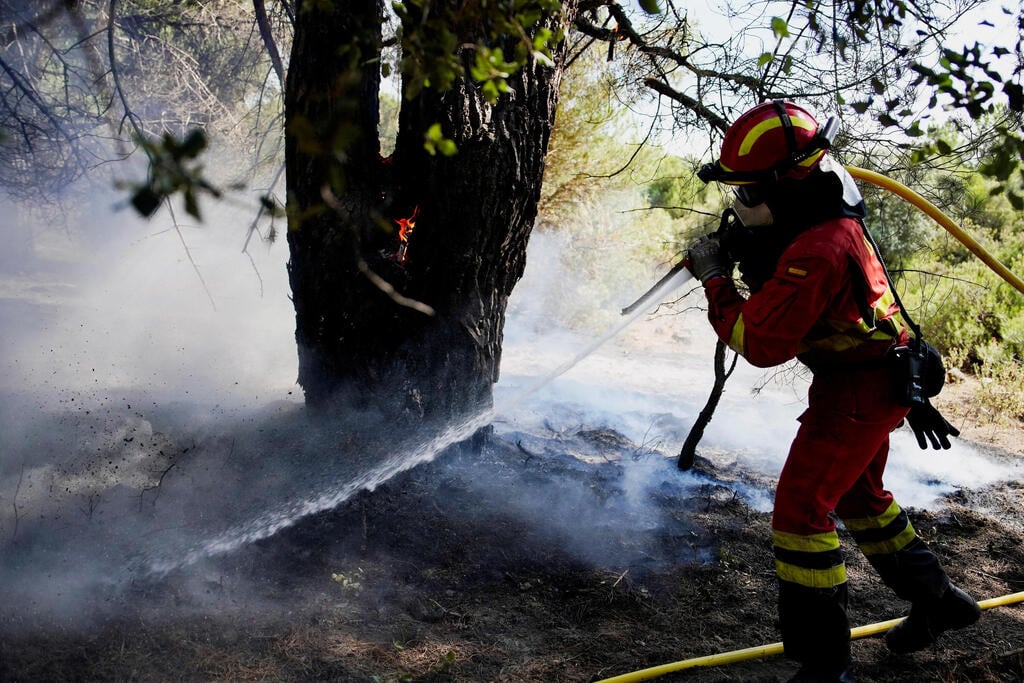
(Photo: REUTERS/Ana Beltran)
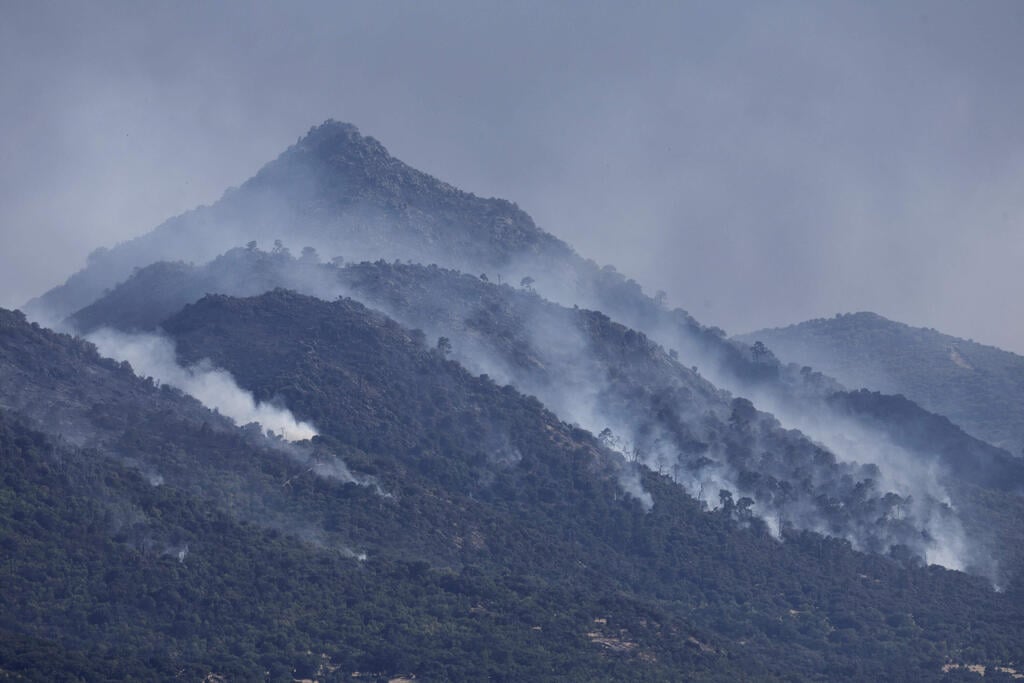
(Photo: Oscar DEL POZO / AFP)
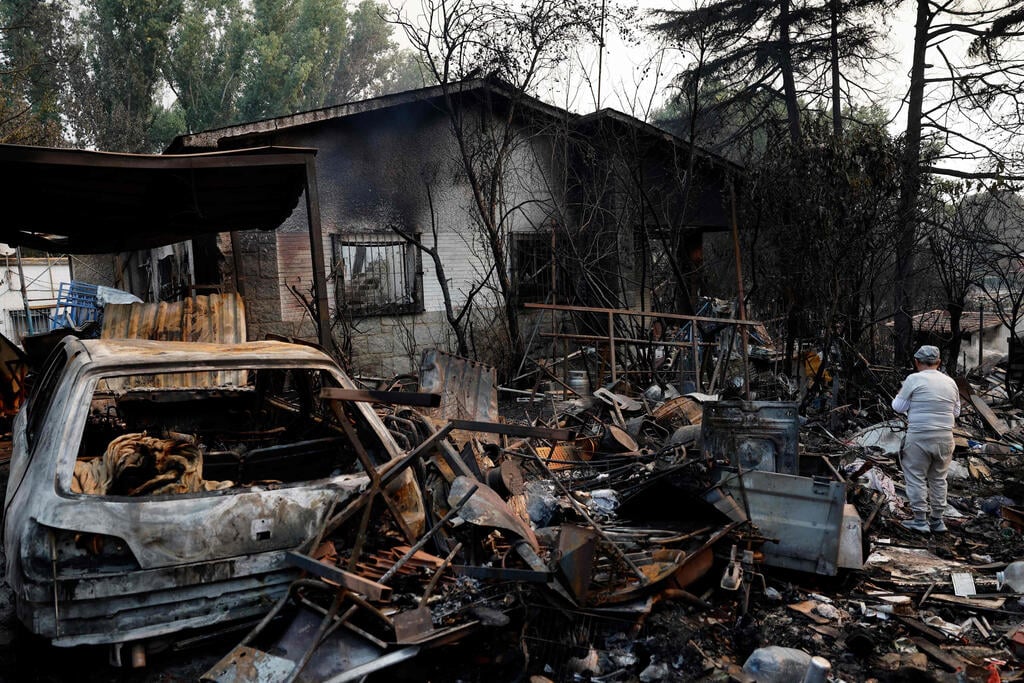
One of the homes destroyed by fire near Madrid
(Photo: Oscar DEL POZO / AFP)
The fire west of Madrid has moved south of the capital, according to reports, meaning the immediate threat to the city has passed. But the blaze remains out of control.
Spanish Interior Minister Fernando Grande-Marlaska said the next 48 hours would be “absolutely critical” in the battle against the flames. He warned that weather conditions were expected to worsen beginning Wednesday, with temperatures rising again.
Another major wildfire is burning near Castellón in the Valencia region of eastern Spain, where about 15,000 people have been evacuated.
Prime Minister Pedro Sánchez said fires since the beginning of the year have burned 150,000 hectares, or about 371,000 acres, six times the area burned in Spain during the same period last year.
Hundreds of tourists evacuated in Italy
Authorities in Italy are also battling multiple wildfires, including 10 major fire fronts in Sicily.
On Sunday, 400 tourists and vacationers were evacuated by boat from a beach near the town of Peschici in the southeastern Puglia region after a fire blocked land evacuation routes.
Scientists warn that extreme weather events are becoming more frequent and intense because of climate change driven by greenhouse gas emissions. Droughts and heat waves create ideal conditions for major wildfires.
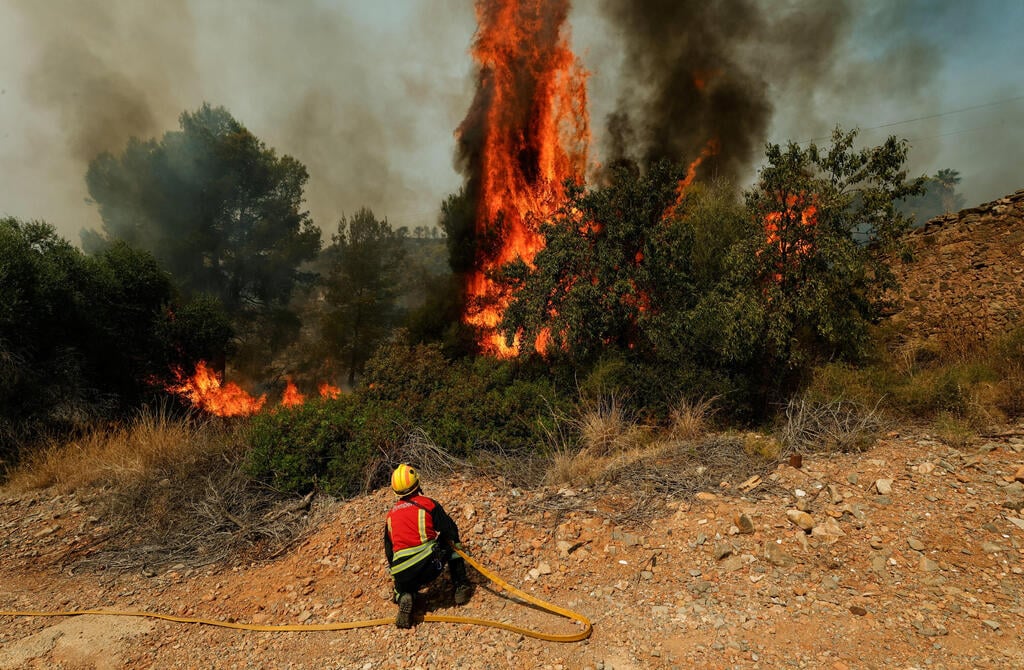
Firefighters battle the flames in the Valencia region on Sunday
(Photo: REUTERS/Eva Manez)
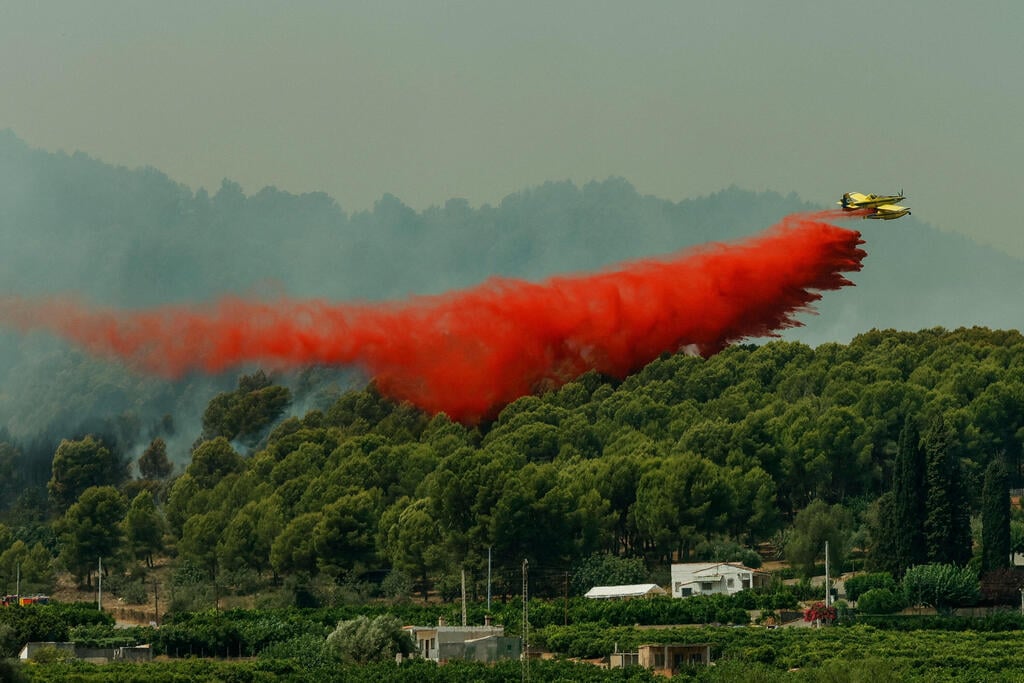
(Photo: REUTERS/Eva Manez)
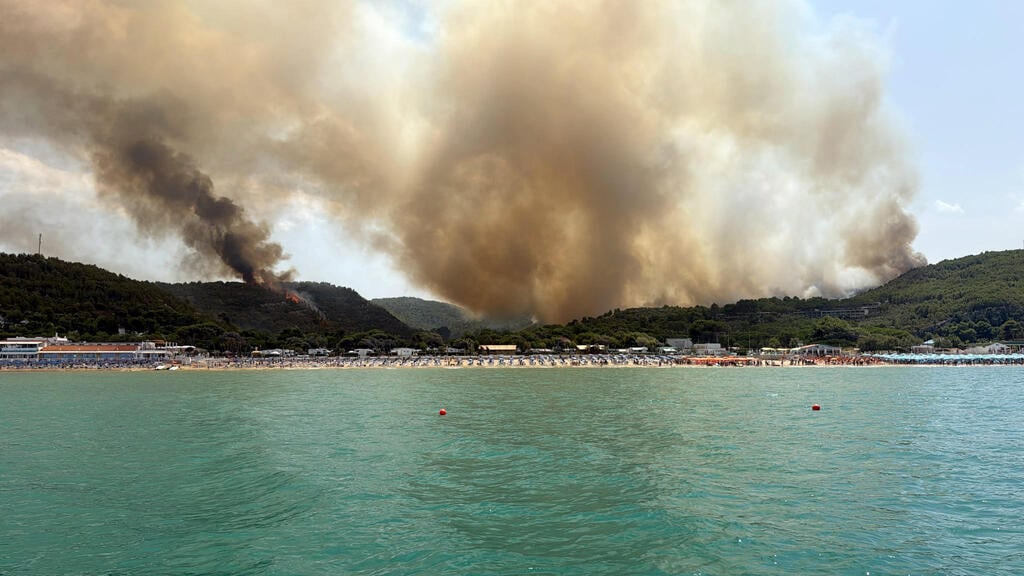
The wildfire in Italy’s Puglia region, where hundreds of tourists were evacuated
(Photo: AFP PHOTO / ANSA)
According to the European Union’s Copernicus Climate Change Service, Europe is the world’s fastest-warming continent, with temperatures rising at twice the global average since the 1980s.
According to Reuters’ climate monitoring center, average July temperatures in the two main fire zones — Bordeaux in France and Avila in Spain — stood at 32 degrees Celsius, or nearly 90 Fahrenheit. That was almost 6 degrees Celsius above the monthly average recorded between 1961 and 1990.