


The Knesset on Thursday approved Communications Minister Shlomo Karhi’s controversial media law by a vote of 53-48, advancing a sweeping overhaul of Israel’s broadcasting market despite warnings that it could weaken independent journalism.
Prime Minister Benjamin Netanyahu attended the vote and supported the legislation. “The mission you gave me to complete a right-wing reform of the media has been successfully accomplished,” Karhi told Netanyahu in the Knesset.
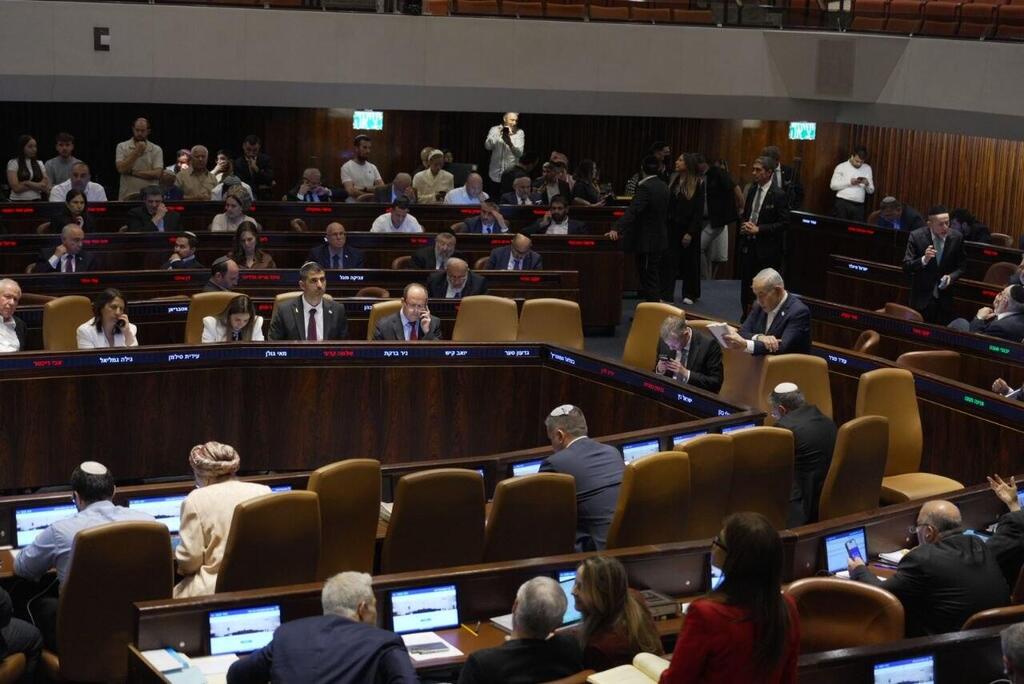
The law will allow new news channels to be established with significantly less regulation and abolish the structural separation between television channel owners and the companies responsible for their news broadcasts.
That separation was intended to protect editorial decision-making from the commercial and political interests of channel owners. Supporters say the law will increase competition, broaden the range of opinions represented in Israeli media and reduce costs for consumers.
Critics argue that weakening regulation and removing the separation between ownership and news operations could give wealthy owners and political figures greater influence over news coverage.
Attorney General Gali Baharav-Miara previously warned that the legislation creates an increased risk to the character of Israel’s free press and could enable significant commercial and political involvement in media organizations, particularly news broadcasting.
The law was advanced through a special Knesset committee despite objections from Knesset legal adviser Sagit Afik, who said the legislative process contained serious and substantive flaws.
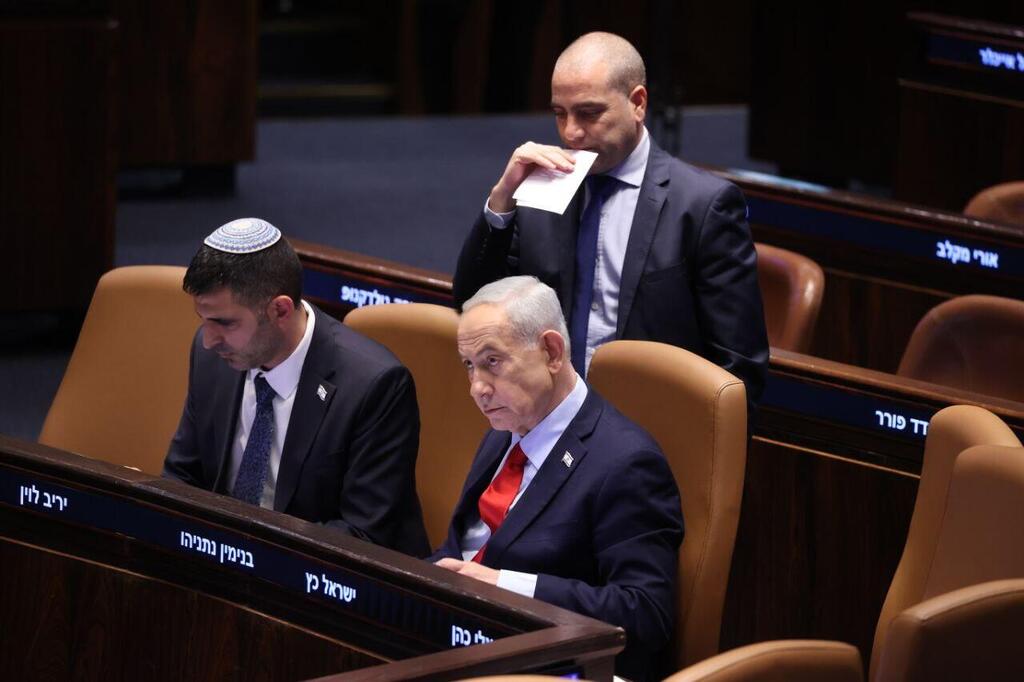
Benjamin Netanyahu and Shlomo Karhi
(Photo: Alex Kolomoisky)
A late attempt by Karhi and lawmaker Avi Maoz to change the composition of the council overseeing the broadcasting market was dropped after Afik warned that approving an amendment that had not been properly discussed in committee could constitute a defect in the legislative process.
A proposed government application offering all news channels free of charge was also removed from the final legislation following objections from ultra-Orthodox parties.
Opposition lawmakers said the law was designed to create media outlets loyal to the government rather than strengthen pluralism. Petitions challenging the legislation have already been filed with the High Court of Justice.