

IDF Chief of Staff Lt. Gen. Eyal Zamir told the security cabinet Thursday night that there is “no deal” for about 200 Hamas terrorists trapped in tunnels beneath Rafah, two days after he said he would consider releasing them only in exchange for the body of fallen soldier Hadar Goldin, who has been held in Gaza since 2014.
The IDF clarified that there is no evidence that Goldin’s remains are located in the same tunnels where the terrorists are hiding.
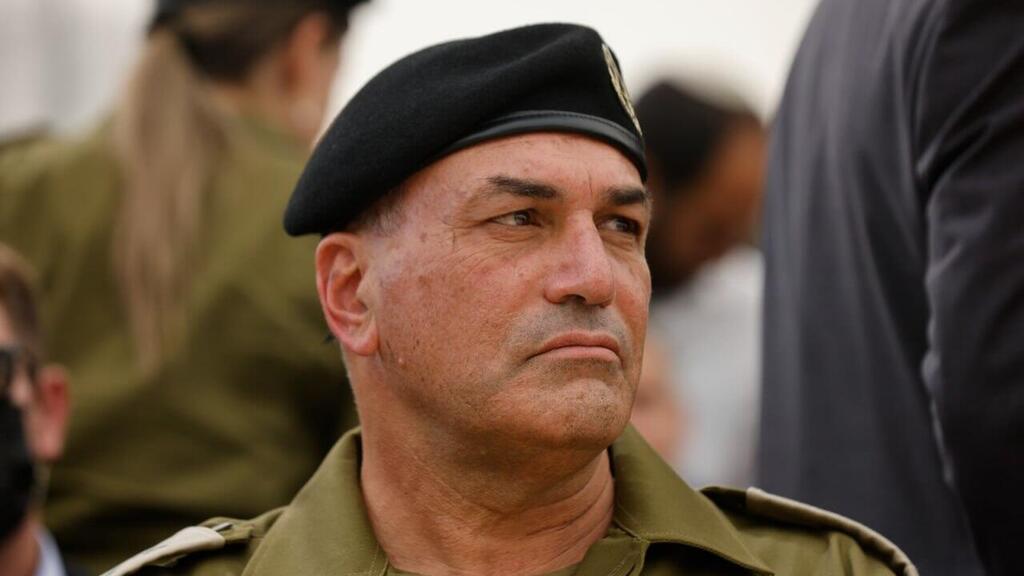
“It’s either surrender or elimination,” Zamir said during the meeting. “If they surrender, we’ll take them in their underwear to Sde Teiman for interrogation.”
Zamir also advised the government not to move to the next stage of the cease-fire deal until all hostages and fallen soldiers are returned, and to block any reconstruction efforts until Gaza is fully demilitarized.
Ministers clash over Netanyahu’s 'model city' plan
The discussion turned heated when Prime Minister Benjamin Netanyahu presented a proposal to build a “model city” in a demilitarized area under Israeli control in Gaza, where vetted Gazans could enter “to separate Hamas from the civilian population.”
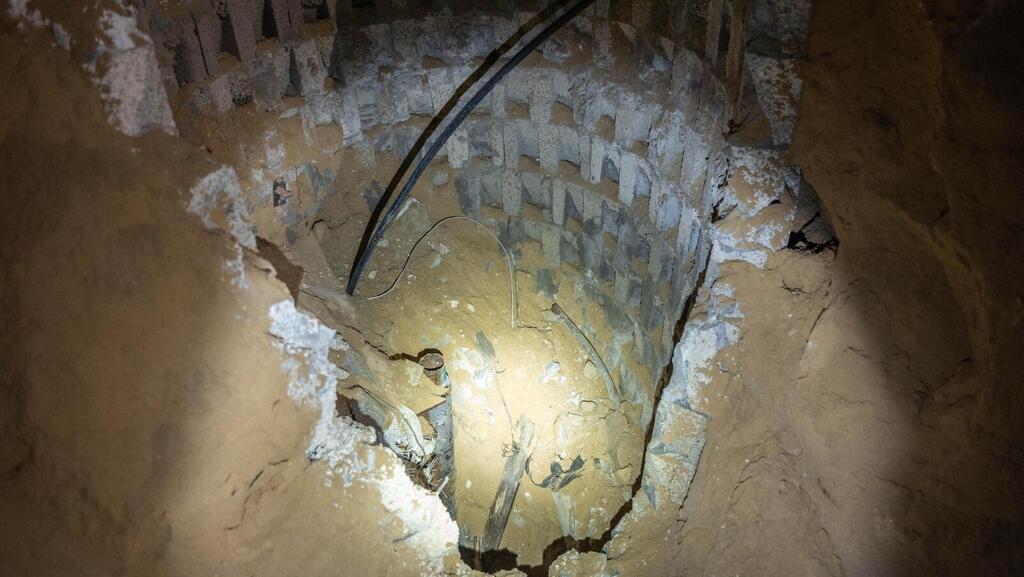
A tunnel shaft in Rafah
(Photo: IDF)
Several ministers — including Gila Gamliel, Orit Strock, Zeev Elkin, and Miri Regev — opposed the plan. Gamliel interrupted Netanyahu several times, calling the idea “dangerous.” Some ministers demanded that the city not be built on territory controlled by Israel. Netanyahu added that a planned international stabilization force would first deploy in the al-Mawasi area, which is not under Israeli control.
Earlier Thursday, Egypt proposed that the trapped terrorists in Rafah provide intelligence on Hamas tunnels in exchange for safe passage to areas under Hamas control, Reuters reported, citing two sources familiar with the talks. Both Israel and Hamas have yet to respond formally, and discussions are ongoing.
U.S. special envoy Steven Witkoff, representing President Donald Trump, said, “If they come out, raise their hands, and surrender their weapons, it will be a test case for Gaza’s demilitarization model.”
Neither the Prime Minister’s Office nor Hamas spokesperson Hazem Qassem commented on the report.
Sources cited by Reuters said contact with the terrorists in Rafah was lost around March and that they “may not be aware of the cease-fire.” One source claimed that their release “would serve the interest of maintaining the truce.”
IDF aims to destroy the remaining tunnels before the next phase
The 200 terrorists trapped in the Israeli-controlled enclave of Rafah’s Jenina neighborhood are part of a larger group of hundreds or possibly thousands of residents and fighters caught between the Israeli border and the Stage A withdrawal line under the cease-fire framework.
The IDF is trying to use the limited window before the next stage of the agreement to destroy the remaining tunnels, though such operations often risk deadly encounters.
Additional Hamas terrorists— numbering several dozen in some cases — remain in similar enclaves near Bani Suheila, a suburb of Khan Younis, and other areas on the Israeli side of the yellow line. Zamir recommended eliminating all of them and continuing to locate tunnel networks in those areas.
However, in Rafah, an opportunity emerged: Hamas reportedly offered to assist in locating the remains of Israeli soldiers in exchange for the safe release of its 200 terrorists into Hamas-controlled territory. Netanyahu initially considered the proposal but backed down amid sharp criticism and threats from within his coalition.