

At the opening of Operation Roaring Lion, it appeared that military cooperation between the United States and Israel against Iran had reached a historic peak. Four months later, against the backdrop of the agreement with Iran and a series of public remarks by U.S. President Donald Trump and Vice President JD Vance, relations between Washington and Jerusalem appear to be in crisis.
“Israel had expected when President Donald Trump came into office that his America First foreign policy would include ‘an exception’ for Israel,” an Israeli political adviser told Politico.
“That was never going to hold. We were never going to be able to stay for four years as an exception to everything else America does in its foreign policy,” the adviser said. “When the clash came, Israel was naive to think that we would be able to be exempt from those expectations.”
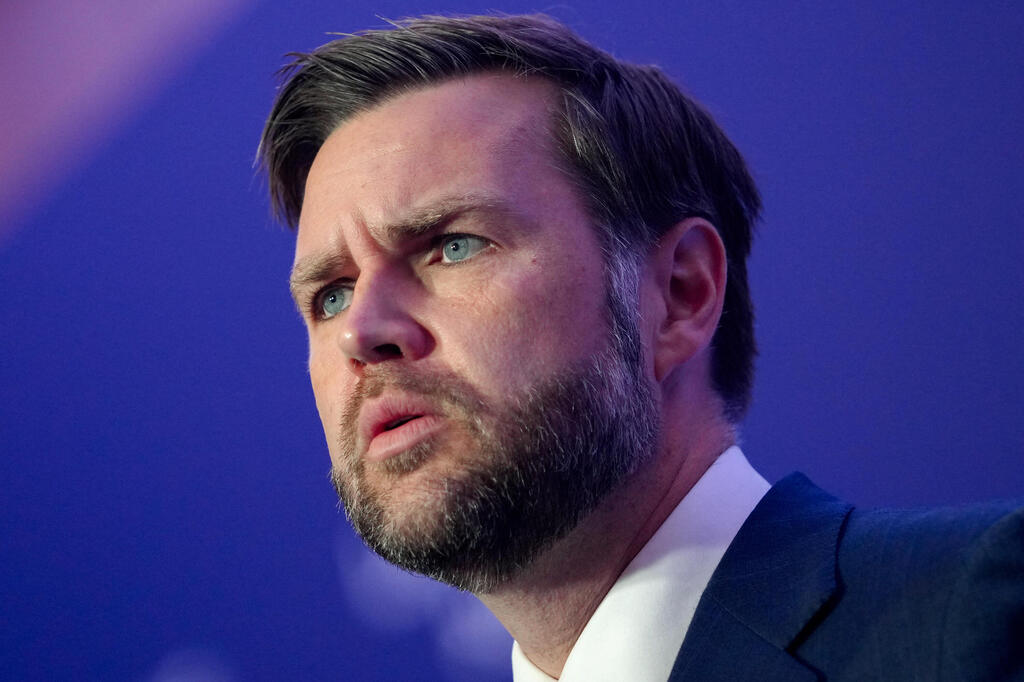
Politico highlighted Vance’s unusually sharp attack on Israel’s leadership, in which he warned that Jerusalem should think carefully before turning on Washington.
“Donald J. Trump is the only head of state in the entire world who is sympathetic to the nation of Israel at this moment,” Vance said. “If I was in the cabinet of the Israeli government, I might not be attacking the only powerful ally that I have anywhere left in the entire world.”
Vance also pointed to Washington’s significant contribution to Israel’s defense and suggested, indirectly, that the relationship could change.
“Anybody in Israel who thinks their biggest problem is the president of the United States needs to wake up and smell the reality of the situation that country is in,” he said.
Vance’s office declined to comment to Politico, but a person close to his team said the vice president sees support for Israel weakening among voters, including younger Republicans.
“The vice president sees that the ground is shifting against Israel among voters, including with younger Republicans. He’s responding accordingly, with nuance instead of stridency,” the person said.
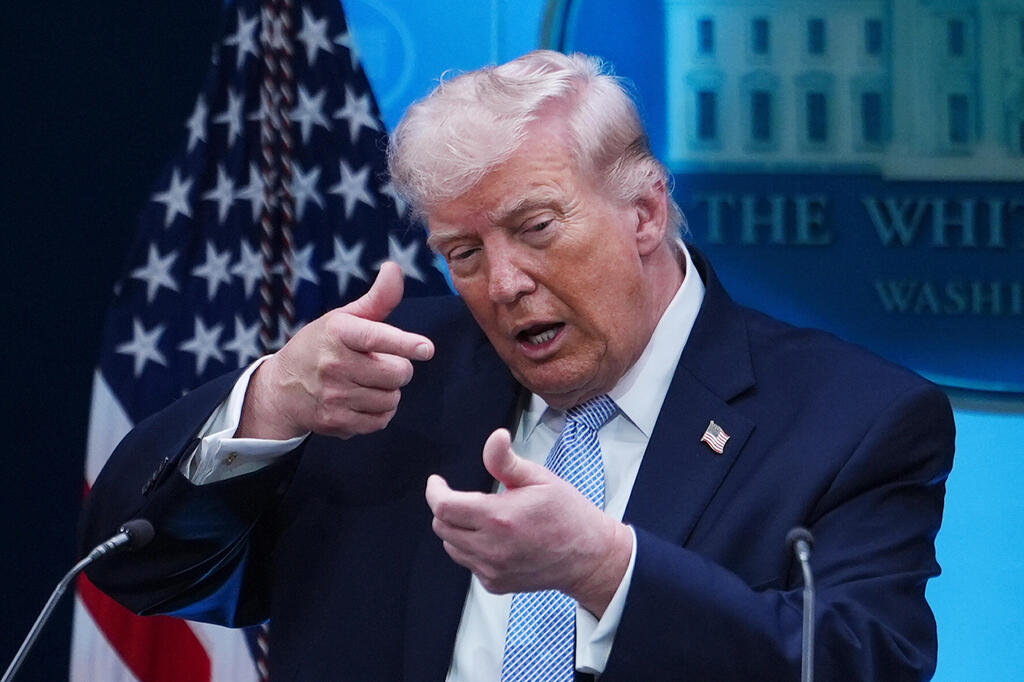
US President Donald Trump
(Photo: Julia Demaree Nikhinson/AP)
According to the report, Vance has argued for years, even before becoming vice president, that Israel’s interests and America’s do not always overlap, and that the United States should not be dragged into a war with Iran on Israel’s behalf.
“Israel has the right to defend itself, but America’s interest is sometimes going to be distinct,” Vance said in a podcast in 2024, when he was Trump’s running mate. “And our interest very much is in not going to war with Iran.”
In recent months, Trump’s tone toward Israel has also become noticeably harsher and more critical. Earlier this month, he called Netanyahu “f---ing crazy,” Politico reported, amid frustration over Israeli actions in Lebanon that he believed endangered talks with Iran. Afterward, Netanyahu froze planned strikes in Beirut, the type of restraint Vance had been urging throughout.
Natan Sachs, a senior fellow at the Middle East Institute in Washington, said Netanyahu’s government recognizes the rift but does not fully grasp its depth.
“At the leadership level there is deep concern…but they are underestimating the severity of the moment,” Sachs said.
The new framework agreement signed Friday by Israel and Lebanon, which includes a commitment to end the conflict between them, may not be enough to change the trajectory with Washington. The agreement binds both governments, but not Hezbollah.
“It depends a lot on what happens in Lebanon,” Sachs said. “It’s laid bare fundamentally different interests. For the United States a deal with Iran — whatever it is — Trump has decided the deal is in the American interest, and Lebanon is just not that close to that importance…For Israel…Lebanon cannot be relegated to an afterthought.”
Politico reported that Netanyahu’s office is trying to focus its dissatisfaction on Vance alone.
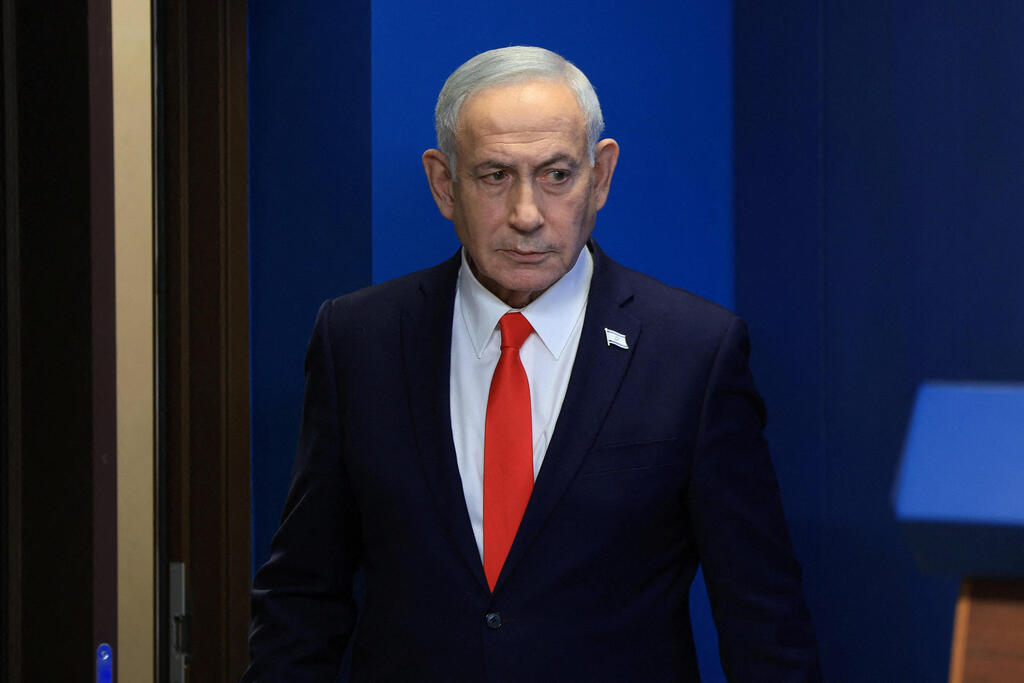
Prime Minister Benjamin Netanyahu
(Photo: REUTERS/Ronen Zvulun/Pool)
“Never trusted him,” a person familiar with contacts between the two governments said of Vance. “He’s the one pushing for an agreement, he was the one pushing for separating from Israel.”
The same person said Netanyahu and his office do not view the current tension with Trump as the final word.
“They don’t take everything that is happening now with Trump as the end-all, because in the same way it can turn around, everybody’s fully aware of that,” the person said.
Politico also linked Vance’s conduct to the upcoming U.S. midterm elections and his own political future. Matthew Bartlett, a Republican strategist who served in the State Department during Trump’s first term, said Vance appeared to be leaving signals about the direction he wants to take.
“Very interesting to see the vice president put out some, if you will, bread crumbs for his own thoughts and pathway for the future about how he’s choosing to not just navigate these issues, but also articulate them to international, and then even more importantly, domestic and base audiences,” Bartlett said.