

Qatar is intensifying efforts to broker a breakthrough between the United States and Iran and bring an end to their seven-month war, but the latest round of indirect talks has produced little progress. U.S. officials believe the deepening stalemate is increasing the likelihood of renewed military confrontation, with some assessing that President Donald Trump could order a return to major combat operations after the midterm elections, Axios reported.
Trump again insisted Tuesday that Iran would not be allowed to obtain a nuclear weapon and suggested the conflict would ultimately end on Washington’s terms. “They are doing very poorly. I don’t know if they are ready to give up yet. They will give up. This is to stop a nuclear weapon. Iran will not have a nuclear weapon,” he told reporters.
Gallery
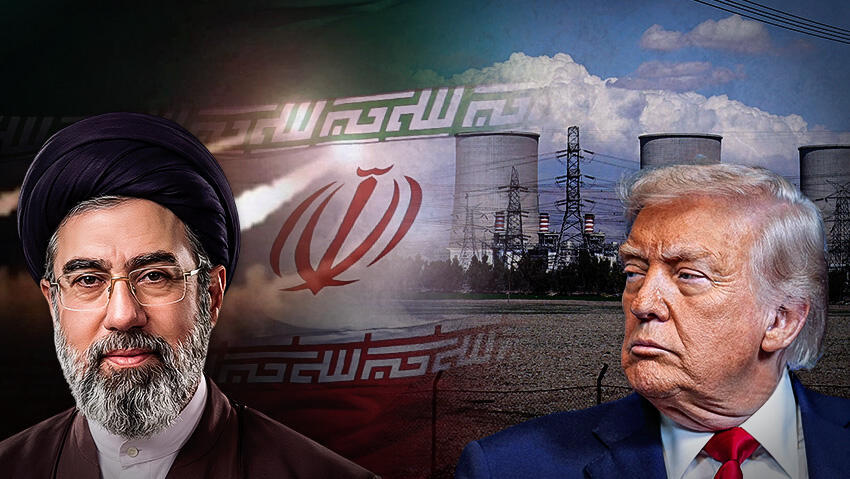
Iranian Supreme Leader Mojtaba Khamenei, US President Donald Trump
(Photo: shutterstock, AP/Alex Brandon, AP/Francisco Seco)
Iran, meanwhile, accused Washington of being unable to choose between diplomacy and war. Mohsen Rezaei, secretary of Iran’s Supreme National Security Council, said Trump was “trapped in a quagmire in which he can neither negotiate nor fight,” according to Iranian media cited by Axios.
Despite the increasingly sharp rhetoric, Qatar has not abandoned the diplomatic track. Qatari officials are expected to continue shuttling messages between the sides even as frustration grows in Doha over their refusal to compromise. Qatar previously played a central role in securing the June memorandum of understanding that briefly halted the fighting before the arrangement later unraveled.
On Monday, Qatari mediators held separate talks with Iranian and U.S. officials. According to Axios, Iranian Foreign Minister Abbas Araghchi and his team spent several hours discussing a two-page Qatari compromise proposal before Qatari representatives traveled to Washington for talks with Trump administration officials.
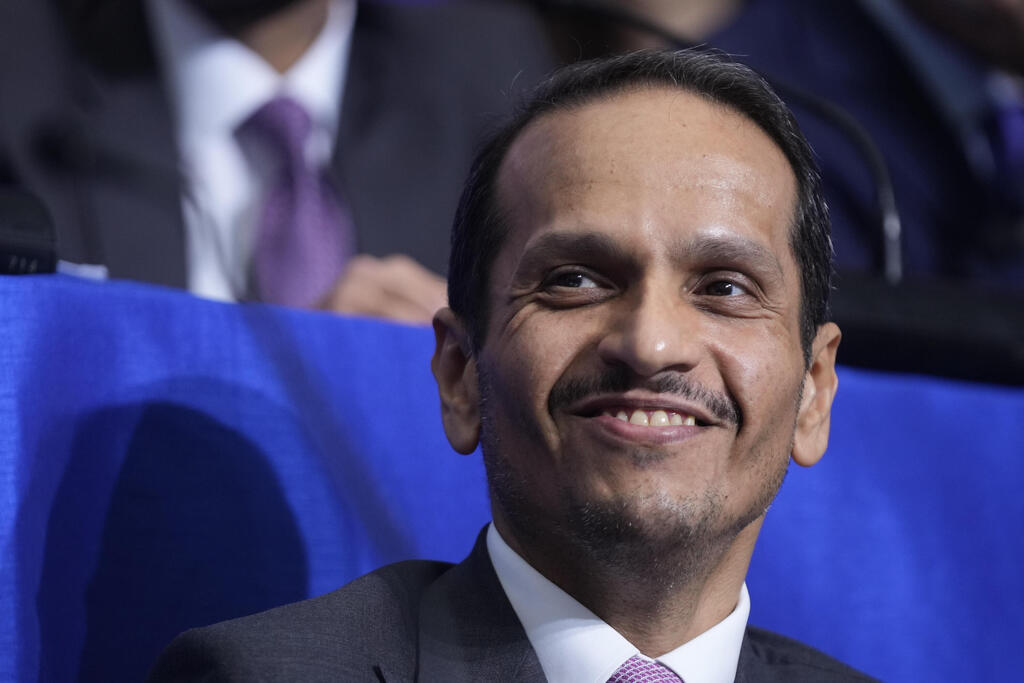
Qatari Prime Minister Abdulrahman Al Thani
(Photo: AP Photo/Mark Schiefelbein)
Qatar’s Foreign Ministry spokesman Majed Al Ansari said Doha was continuing to pass messages between the parties and search for common ground. “We are conveying messages between the sides and working to find common ground in order to reach an agreement,” he said. “Only that will save us all from the consequences of the conflict.”
The Qatari proposal is aimed at bridging the two central disputes separating Washington and Tehran. Iran wants the United States to lift its naval blockade, while the Trump administration is demanding concrete Iranian concessions on the nuclear program. U.S. officials had initially described Monday’s contacts as “positive and constructive” and said Tehran appeared willing to show flexibility on nuclear issues, but by the end of the day there had been no significant movement.
Talks remain ‘stuck’
“It is stuck,” one source familiar with the talks told Axios. “The Iranians are asking for things the U.S. can’t accept and the U.S. thinks it is winning so there is no need for compromise.” Pakistan and Egypt have also urged Tehran to make concessions on its nuclear program, while Iran has insisted it will consider such steps only after Washington returns to the terms of the June memorandum.
The dispute has also exposed conflicting messages from Washington. U.S. officials told Axios earlier this week that Trump was prepared to offer sanctions relief and release frozen Iranian funds in exchange for concrete measures to curb Tehran’s nuclear program. Trump later rejected that account on Truth Social, writing that he had offered Iran nothing.
Preventing Iran from acquiring a nuclear weapon remains one of Trump’s stated objectives in the war. He has also described weakening Tehran’s ability to threaten neighboring countries as a U.S. goal.
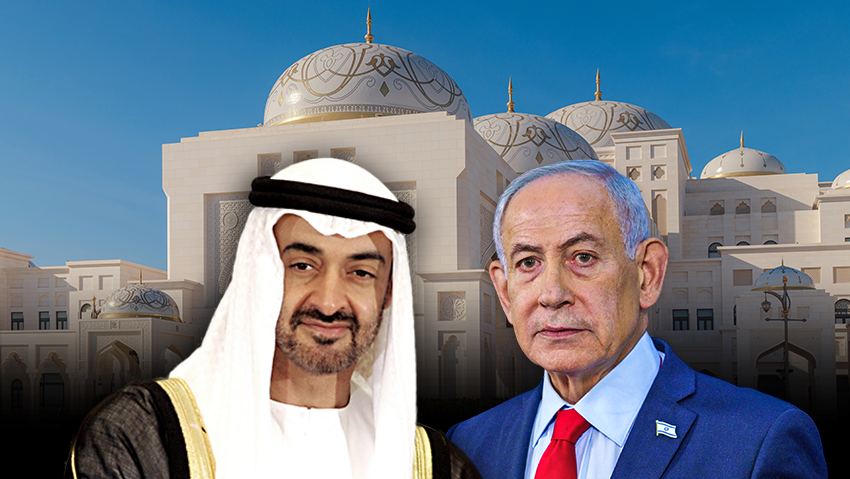
Prime Minister Benjamin Netanyahu and UAE President Sheikh Mohamed bin Zayed Al Nahyan
(Photo: Shutterstock, AP, Shalev Shalom)
Meanwhile, Prime Minister Benjamin Netanyahu reportedly presented UAE President Sheikh Mohamed bin Zayed Al Nahyan with what an Israeli source described to CNN as new intelligence indicating that Iran has resumed progress on its nuclear program. According to the report, the material included information about new construction at the so-called Pickaxe Mountain site, about 140 miles south of Tehran, which Israel views as a potentially important location in any effort to rebuild Iran’s nuclear infrastructure. The UAE publicly confirmed Netanyahu’s visit, though its official account said the meeting focused on bilateral ties and regional developments.
Separately, Iranian authorities reported Wednesday that Ali Hemmati and Majid Nikandish, two people detained over anti-government protests earlier this year, had been executed after being convicted in connection with the deaths of four security personnel in Mashhad. Human rights groups had previously listed Nikandish among protesters facing execution, though independent verification of the circumstances surrounding the case remains limited.