


Voter turnout in Israel's parliamentary election surged to a record 55.7% by 4 p.m. Tuesday, compared with 47.5% at the same hour in the previous election, the Central Elections Committee announced. The figure marks the highest turnout recorded at that stage of Election Day since comparable records began in 1973.
The increase of 8.2 percentage points represents a rise of approximately 17.2% relative to the previous election, with more than 4 million Israelis having cast their ballots. "It's the highest we've ever had," said attorney Din Livne, acting director-general of the Central Elections Committee.
Gallery
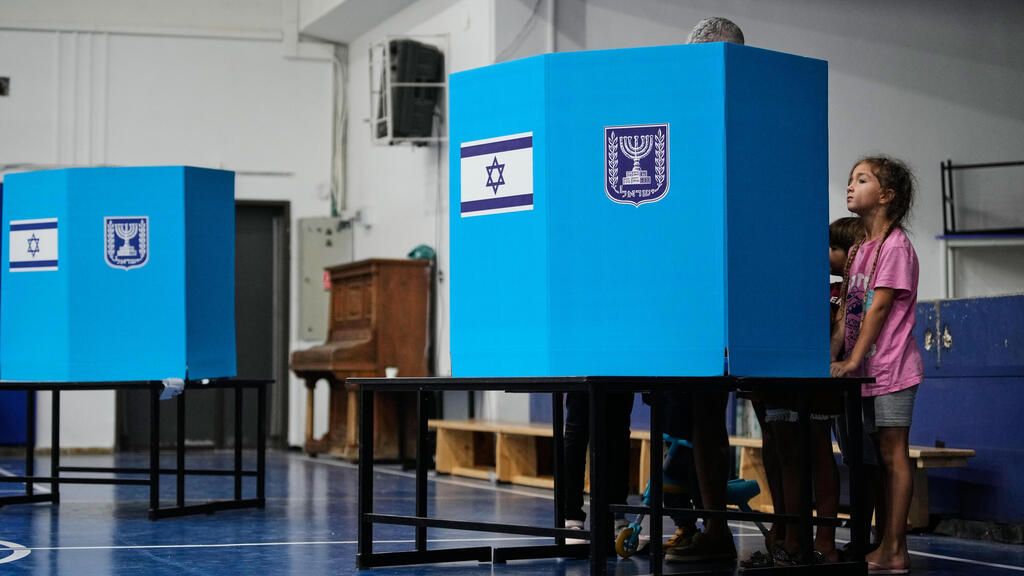
More than 4 million vote as Israel election turnout breaks records
(Photo: AP Photo/Ohad Zwigenberg)
The latest figures continued a trend of unusually high participation throughout the day. By 2 p.m., turnout had reached 44.9%, compared with 38.9% at the same hour in the previous election. At that point, 3,290,480 Israelis had already voted, prompting Livne to declare: "We've broken all records."
Participation was also higher among military personnel. According to the IDF, 48% of eligible service members had voted by 1 p.m., compared with 44.4% at the same hour during the previous election.
The surge brought long lines to polling stations in several cities, including Ra'anana and Ramat Gan. Some voters reported unusually lengthy waits, while election officials said the high turnout was contributing to delays as polling station workers verified voters' identities.
Central Elections Committee Chairman Justice Noam Sohlberg said waits at some polling stations had reached 15 to 20 minutes. Livne urged voters to remain patient, stressing that anyone who arrived before the 10 p.m. deadline would be allowed to cast a ballot, even if polling stations needed to remain open longer to accommodate those already waiting.Where is turnout highest?
A breakdown of turnout by locality revealed substantial differences across the country. In Timorim, a community near Kiryat Malakhi in southern Israel, turnout had reached an extraordinary 91.6% by 4 p.m., the highest figure reported in the committee's local data at that time.
Among major cities, turnout stood at 50.4% in Tel Aviv, 47.7% in Jerusalem, 46.2% in Haifa, 50.9% in Rishon LeZion and 52.8% in Petah Tikva. Ramat Gan recorded 52.9%, while Rehovot reached 54%, Bnei Brak 53.3% and Ashdod 50.4%.
In other cities, turnout reached 48.5% in Holon, 46.8% in Be'er Sheva, 41.5% in Netanya and 40% in Bat Yam. Among Arab-majority localities, Rahat recorded particularly high participation at 60.6%, compared with 48.3% in Shefa-'Amr, 46.7% in Nazareth and 41.7% in Umm al-Fahm.
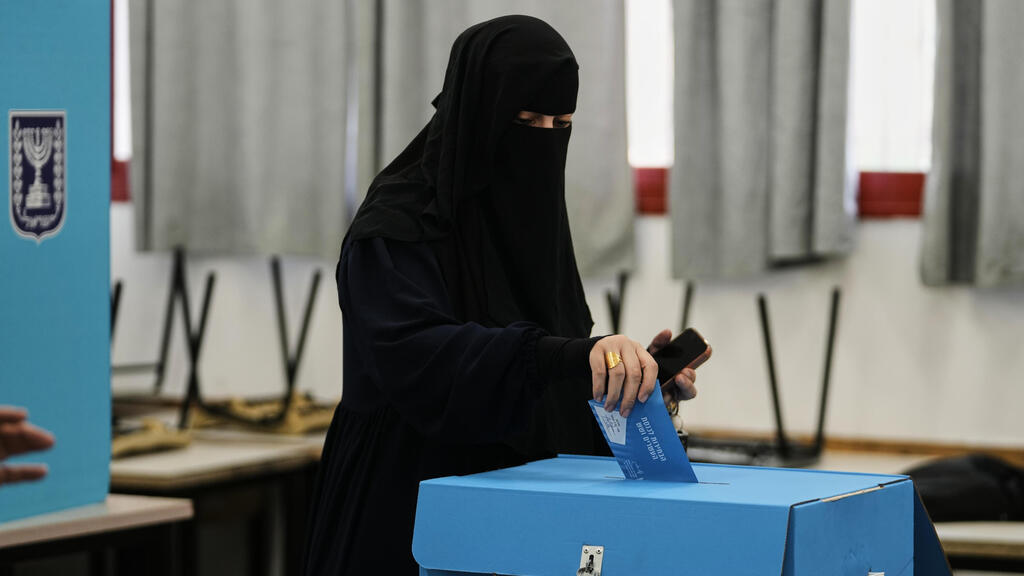
Umm al-Fahm
(Photo: AP Photo/Mahmoud Illean)
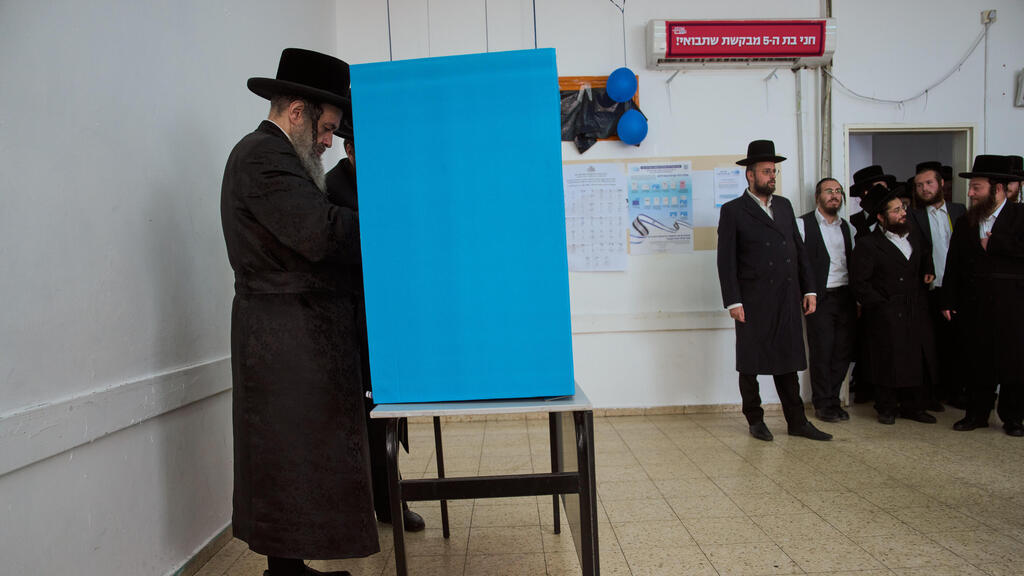
Bnei Brak
(Photo: AP Photo/Oded Balilty)
Where is turnout highest?
A breakdown of turnout by locality revealed substantial differences across the country. In Timorim, a community near Kiryat Malakhi in southern Israel, turnout had reached an extraordinary 91.6% by 4 p.m., the highest figure reported in the committee's local data at that time.
Among major cities, turnout stood at 50.4% in Tel Aviv, 47.7% in Jerusalem, 46.2% in Haifa, 50.9% in Rishon LeZion and 52.8% in Petah Tikva. Ramat Gan recorded 52.9%, while Rehovot reached 54%, Bnei Brak 53.3% and Ashdod 50.4%.
In other cities, turnout reached 48.5% in Holon, 46.8% in Be'er Sheva, 41.5% in Netanya and 40% in Bat Yam. Among Arab-majority localities, Rahat recorded particularly high participation at 60.6%, compared with 48.3% in Shefa-'Amr, 46.7% in Nazareth and 41.7% in Umm al-Fahm.
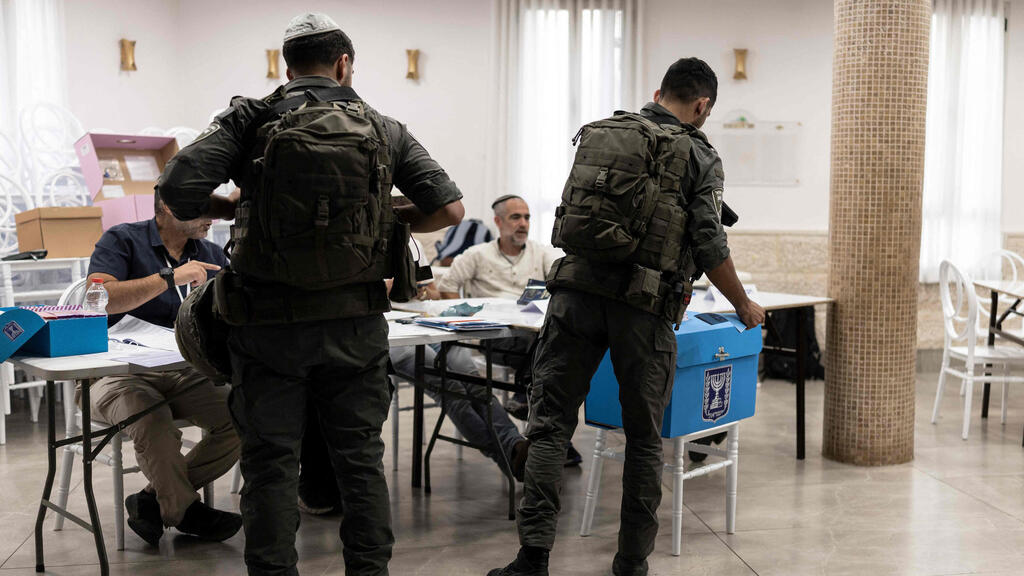
Hebron
(Photo: Ilia YEFIMOVICH / AFP)
Political parties clash over extending voting hours
The Central Elections Committee is scheduled to convene at 7:15 p.m. Tuesday to discuss, among other matters, a request by coalition parties to extend voting beyond the scheduled 10 p.m. closing time, as record turnout and long lines fuel a political dispute over whether polling stations should remain open longer
Prime Minister Benjamin Netanyahu's Likud party submitted a formal request to extend voting hours, leaving the decision to Central Elections Committee Chairman Justice Noam Sohlberg.
The request subsequently gained support from the far-right Otzma Yehudit party, led by National Security Minister Itamar Ben-Gvir, as well as the ultra-Orthodox Shas party, headed by Aryeh Deri.
Opposition parties, however, rejected the proposal. Gadi Eisenkot's Yashar! party, Naftali Bennett's Beyahad party and the Democrats, led by Yair Golan, all opposed extending voting beyond the scheduled closing time.
Yashar! said it "strongly opposes" Likud's request, arguing that there was no exceptional circumstance warranting such a decision.
"No exceptional incident has occurred that would justify approving the request, which is intended to lay the groundwork for claims against the integrity of the election, following the lies Netanyahu has been spreading since this morning," the party said in a statement.
Election officials stressed that the request to extend voting hours was separate from the existing rule allowing anyone who reaches a polling station before 10 p.m. to vote, even if they only manage to cast their ballot after the official closing time.
The decision on whether to formally extend voting hours rested with Sohlberg, as the parties awaited his ruling.
Election security and preparations for the final count
Security officials said voting was proceeding in an orderly manner despite reported attempts to disrupt the process. Shin Bet Director David Zini told the election committee's control center that voting was taking place under close supervision.
The committee also dismissed reports of widespread tampering with party ballot slips, saying it had found no evidence of systematic interference. Officials stressed that individual complaints were being investigated and urged voters to rely on official information.
A total of 7,331,981 Israelis are eligible to vote in the election for the 26th Knesset, with 36 parties competing for seats in the 120-member parliament. Some 12,018 regular polling stations are operating nationwide, with most scheduled to close at 10 p.m., when television networks are expected to release their exit polls.
However, the final results could remain uncertain until Thursday afternoon. Between 600,000 and 650,000 voters, primarily soldiers, reservists, diplomats, displaced residents and others voting away from their registered polling stations, are expected to cast special double-envelope ballots that require separate verification and counting.
Those votes could prove decisive in close parliamentary races, potentially changing the distribution of seats and the balance between rival political blocs. Election officials expect the full count to be completed by Thursday afternoon, meaning the final allocation of seats may remain unresolved well beyond election night.
First published: 17:11, 10.27.26