

After 738 long days in Hamas captivity, Nimrod Cohen is finally home. In her first interview since his return, his mother, Vicky Cohen, shares glimpses of what her son endured—brutal treatment by his captors, psychological warfare, the terror of the dark tunnels beneath Gaza, and the joy of their reunion.
“They told Nimrod and the hostages held with him that no one in Israel was doing anything to bring them back, that everyone had given up on them,” Vicky told Ynet. “When he came home and we showed him photos from the rallies, the marches, and the event marking his birthday at Hostages Square, he was in shock. He said, ‘Wow, I can’t believe it. They told us something completely different.’”
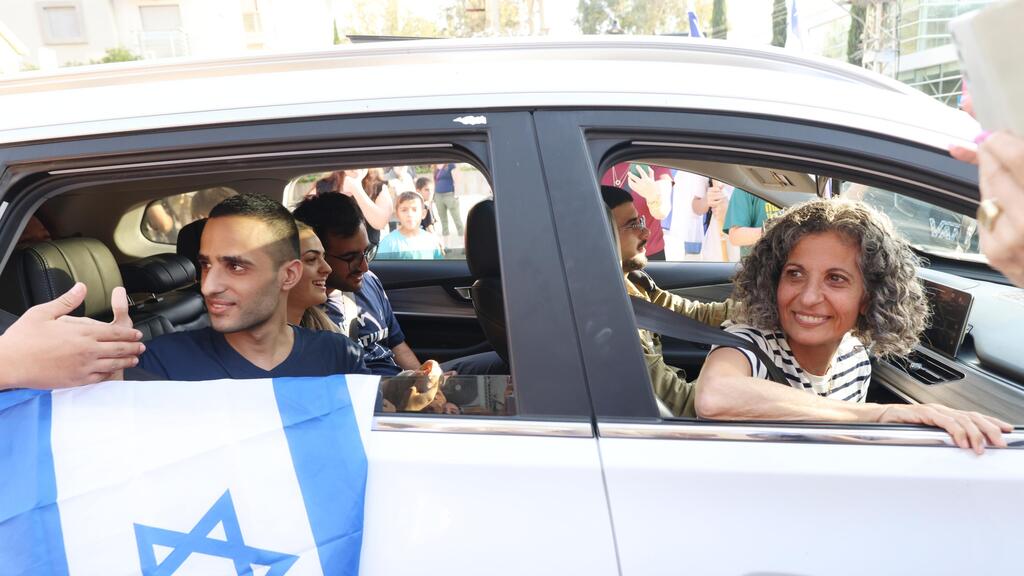
“There were interrogations and all kinds of torture, at least at the beginning, right after the brutal abduction,” she recounted. “There were many moments of fear, horror, anxiety and uncertainty. They were threatened constantly. Most of the time he was kept in a tunnel—it was not simple.”
Among the few stories Vicky agreed to share, one stands out as a symbol of Nimrod’s courage. “He had a beard and mustache, and the terrorists decided to shave off the mustache so he would look more like them, like a Muslim,” she said. “Nimrod strongly objected. He didn’t want to look like them. He insisted, saying, ‘If you shave my mustache, I want to shave everything.’ They refused. But when they told him to go shower and wash off the hair, he found a razor there by chance—and he shaved his entire beard. Nimrod is quiet and shy, but when he disagrees with something, he takes a stand.”
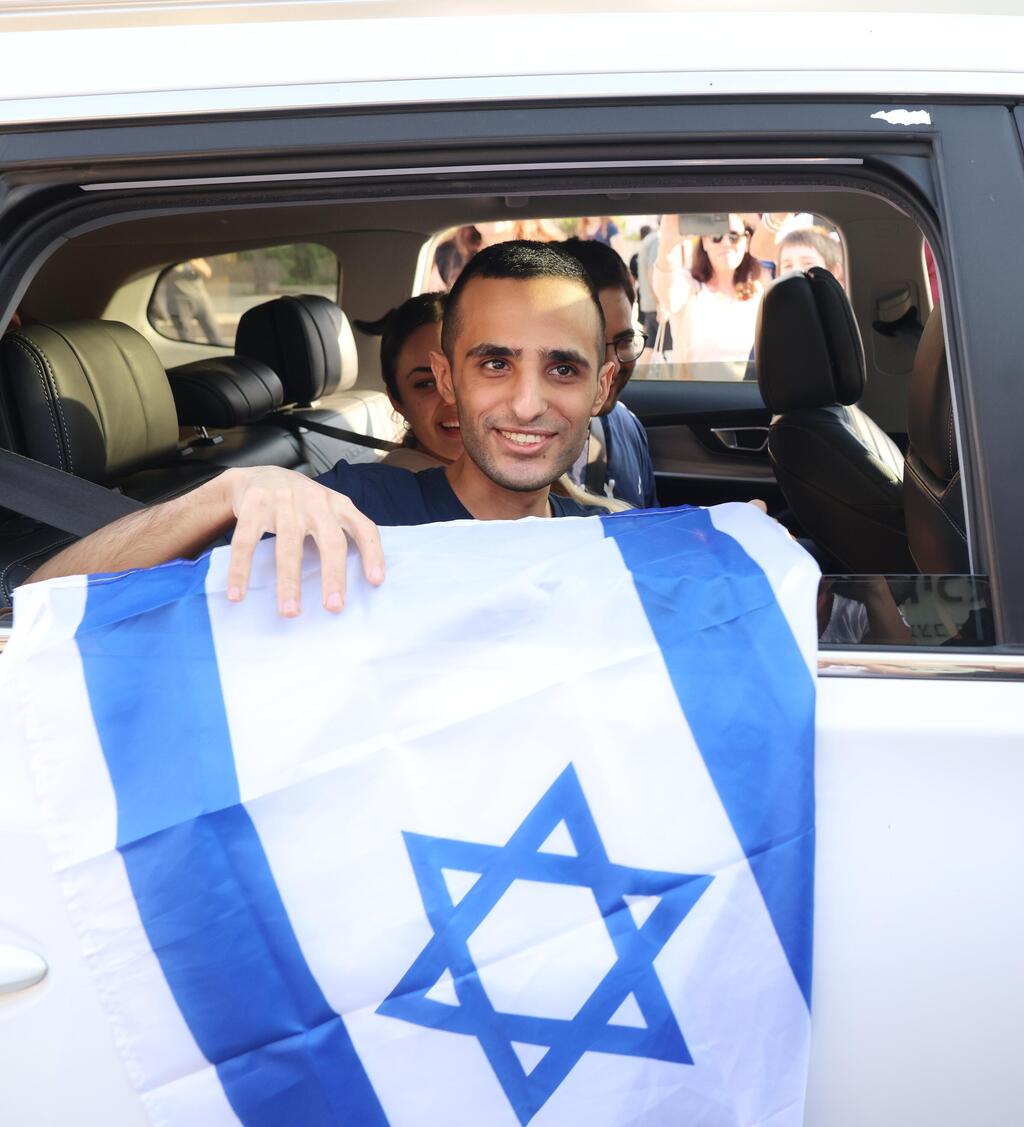
קבלת פנים לשורד השבי נמרוד כהן ששב לביתו ברחובות
(צילום: דנה קופל)
With glistening eyes, Vicky described the day of his release. “We drove to Re’im, our stomachs in knots. I’ll never forget those moments—the phone call with him while Hamas gunmen stood next to him, knowing we’d soon see him. It was larger than life. We screamed, tried to speak through the excitement. He said, ‘I love you.’ We just screamed from joy. And soon after, we hugged him. It was overwhelming.”
Once home, Nimrod went straight to his room. “He sat on his bed, looking around at his things. You could see the emotion washing over him,” she said. “Coming home early was important. He wanted it so much, and we knew it would help his recovery—to return to a safe place, to our dog, to everything familiar. It was the right thing to do.”
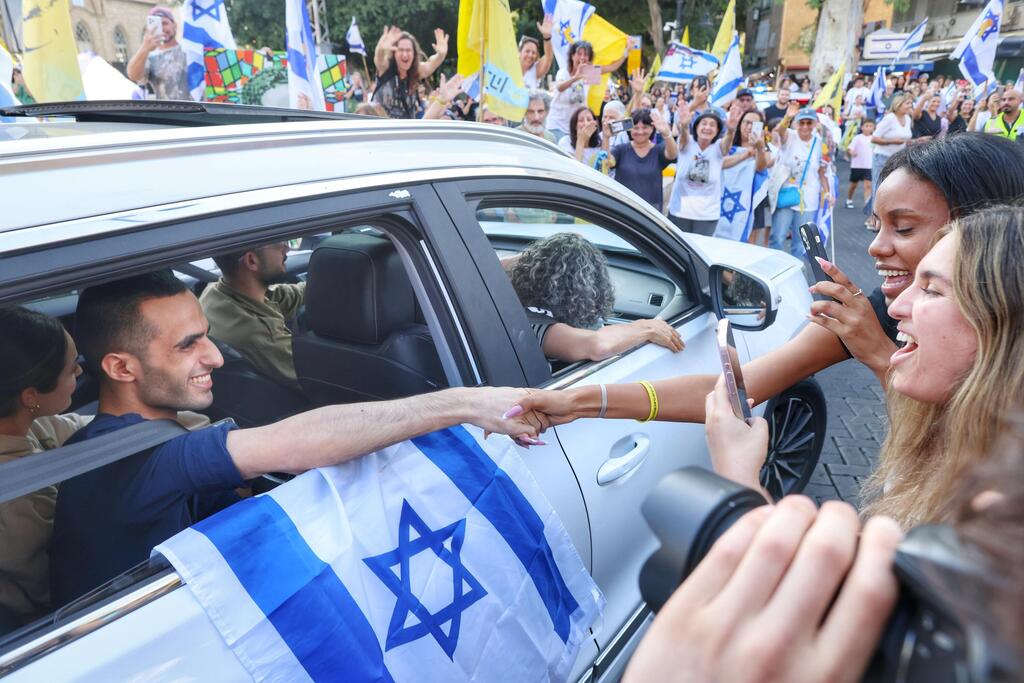
קבלת פנים לשורד השבי נמרוד כהן ששב לביתו ברחובות
(צילום: דנה קופל)
Still, the road ahead is long. “Our time and energy are now devoted to Nimrod and his rehabilitation,” Vicky said. “He’s in physical therapy and emotional treatment. He has tremendous inner strength and resilience that helped him survive the nightmare, and that’s what will help him heal. He’s very motivated—he wants to regain the weight and muscle he lost.”
She also reflected on the toll the family paid. “Yes, we paid a heavy price. We knew we would, whether it was the exhaustion, the emotional strain or the loss of privacy. We didn’t want exposure or publicity, but to fight this battle, we had to show who Nimrod is—that he’s not just a photo on a poster, but a person with a full life.”
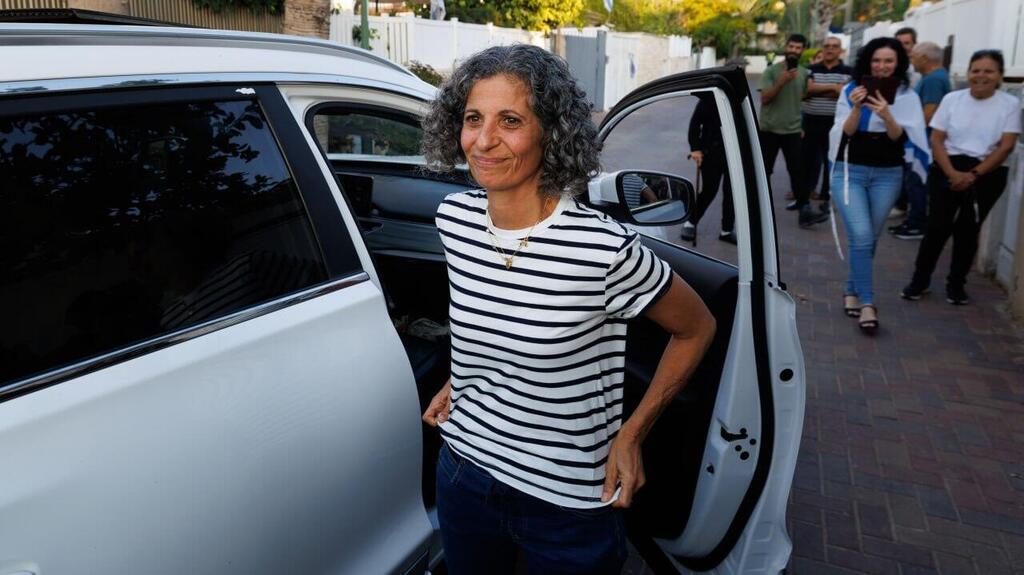
Nimrod's mother Vicky Cohen
(Photo: Ziv Koren)
“The past two years were an emotional earthquake,” she said. “There was so much uncertainty, tension, fear and anxiety. It was emotionally and physically draining.”
But the fight, Vicky stressed, is not over. “Our joy is immense, our gratitude endless. But not everyone has come back yet. Nimrod’s commander, Omer Naotrah, and his crew member, Oz Daniel, are still there. They must be brought home. Until that happens, the circle isn’t complete.”
“We’ll do whatever we can with the resources we have,” she vowed. “I call on the public to continue the fight until everyone is home. Now begins a different journey—one of healing, hope and rebuilding. We’re walking beside Nimrod, with love and unwavering support.”