

At the newly established U.S.-led command center in Kiryat Gat, multinational troops representing a wide array of countries — including the United States, France, Britain, Spain, Australia, Greece and Cyprus — gathered Friday, alongside senior officials from Jordan, the United Arab Emirates, Canada, Denmark and the U.S. ambassador to Yemen.
The facility, overseen by three‑star U.S. General Patrick Frank, is charged with monitoring the ongoing ceasefire in the Gaza Strip, facilitating humanitarian aid and laying groundwork for a future stabilization force, U.S. and Israeli officials say.
Gallery
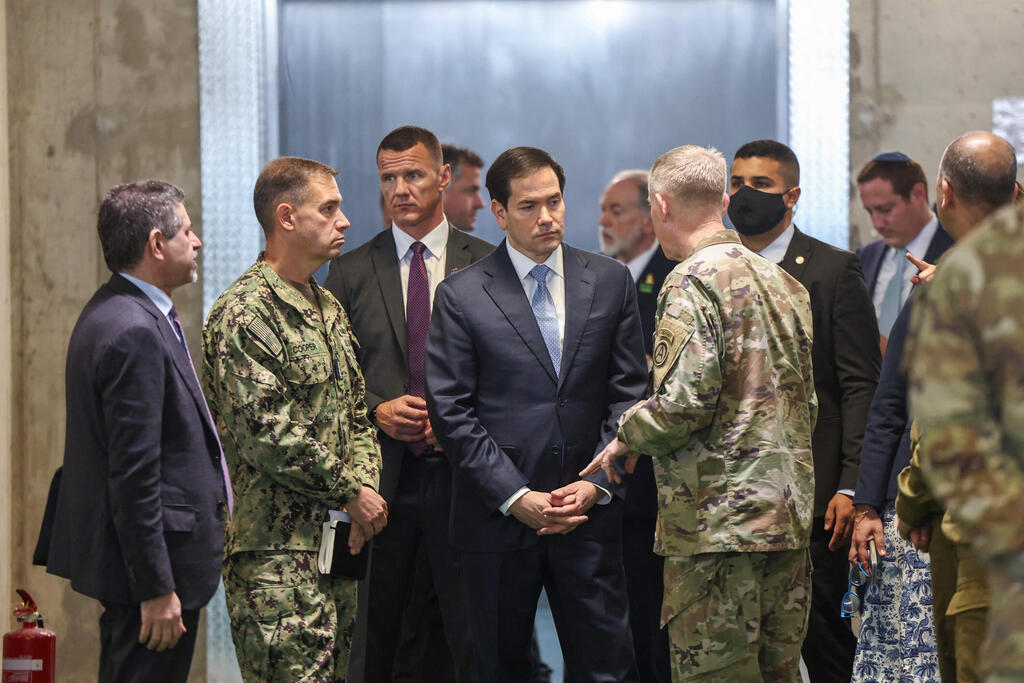
US Secretary of State Marco Rubio at the international command center in Kiryat Gat
(Photo: Fadel SENNA / POOL / AFP)
(Photo: Itamar Eichner)
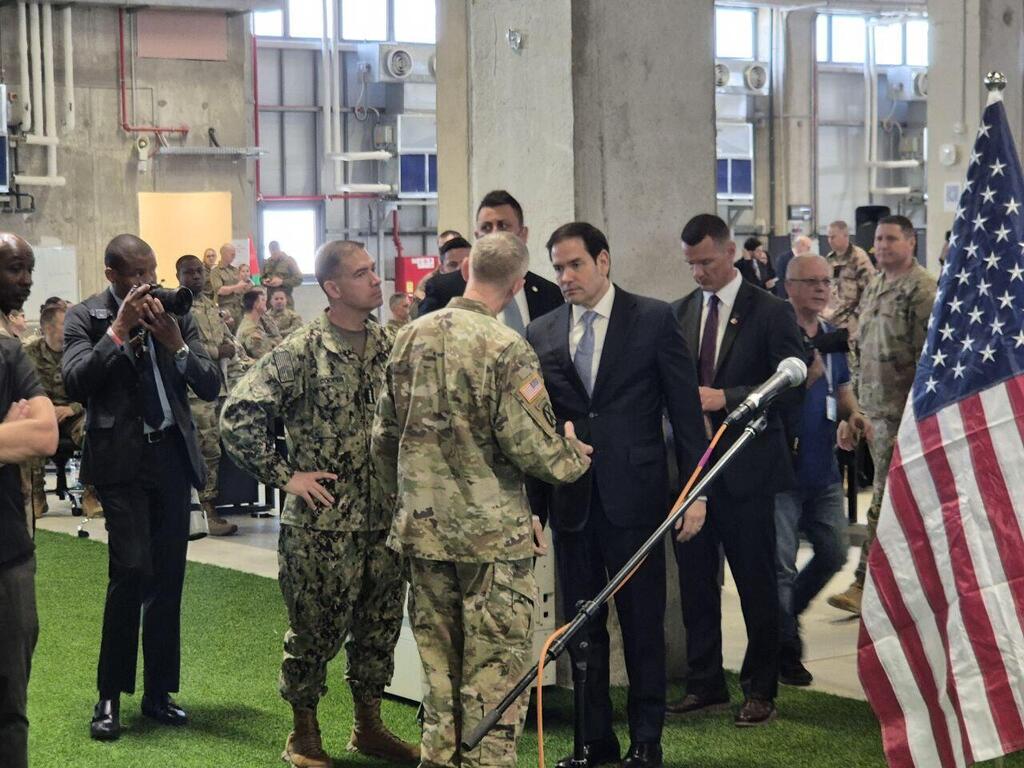
U.S. Secretary of State Marco Rubio visited the command center Friday, reviewing its operations and meeting participants. He said the work underway is unprecedented, stressing that it represents an historic mission to secure long‑term stability in Gaza. Rubio said his visit focused on assessing the command’s needs and advancing the coordination of humanitarian assistance and reconstruction efforts.
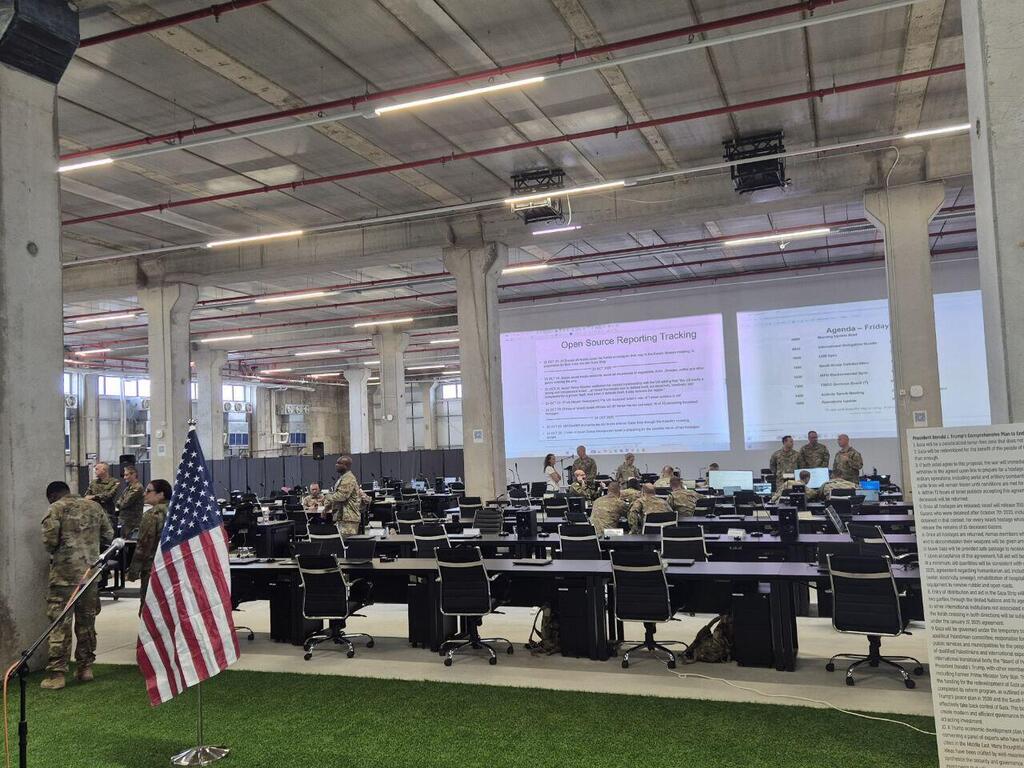
The command’s large operations hangar features screens showing live news feeds and aid convoys, and is equipped with synthetic turf to improve acoustics. One displayed report highlighted a United Arab Emirates convoy entering Gaza via the Rafah crossing, while another flagged shortages of vegetables, fruit and cheese in the enclave.
Rubio emphasized that aid must be delivered without theft, and that the stabilization force must be established before substantial reconstruction begins. He said multiple countries have expressed interest in participating in the force — though he did not specify which ones — and reiterated that no state will allow the involvement of Hamas in managing Gaza’s future security.

(Photo: Itamar Eichner)
(Photo: Itamar Eichner)
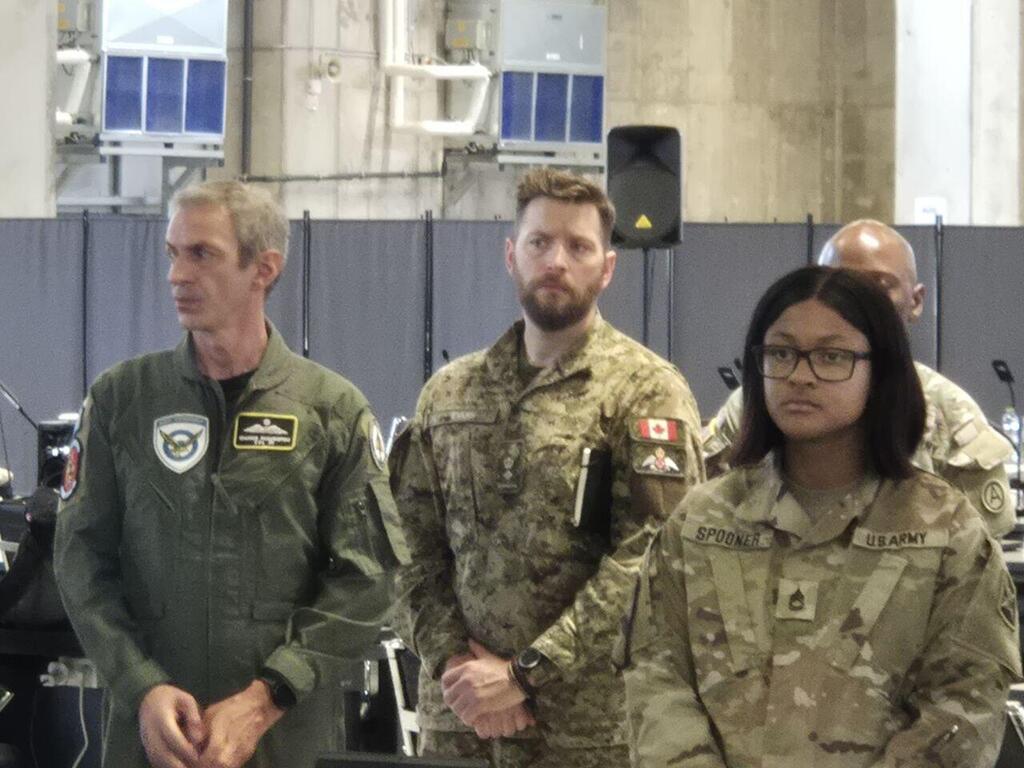
(Photo: Itamar Eichner)
He also noted that the United States is pushing for the full return of all Israeli hostages and their remains, saying the deal’s integrity depends on both parties honoring their commitments. Meanwhile, he framed the broader objective as creating conditions where the October 7 attacks cannot be repeated, and where Israel can move forward with long‑term security.
The multinational presence at the center underscores how the U.S. is intensifying its role in implementing the ceasefire and preparing for the next phase of the Gaza war, as part of the broader 20‑point plan previously outlined by the U.S. and its partners.