


As IDF Chief of Staff Lt. Gen. Eyal Zamir warns of a severe manpower shortage in the military, a letter sent to his office and revealed for the first time claims there is a pool of more than 3,500 young people who were born in or grew up in Israel and want to enlist in the Israel Defense Forces but remain barred from recruitment because of administrative policy rather than any legal restriction.
According to Israel's Population and Immigration Authority, more than 3,500 young people ages 15 to 25 currently living in Israel hold only temporary residency status. According to the letter, many were born in Israel or arrived at a young age, studied in the Israeli school system, speak Hebrew, regard Israel as their home and wish to serve in the military.

According to sources familiar with the matter, officials from the ultra-Orthodox Shas party are blocking the initiative. The sources said Shas fears that after completing three years of military service, it would be difficult to oppose granting Israeli citizenship to those recruits.
The letter, submitted by attorney Tomer Warsha, chairman of the Israel Bar Association's Immigration Committee, calls on Zamir to immediately establish a dedicated enlistment track and make use of this pool of recruits to help address the IDF's manpower shortage.
The letter was sent after repeated military warnings about personnel shortages and the urgent need to expand the number of service members. Its authors argue that at a time when the military is seeking every possible source of manpower, thousands of young people are eager to serve but remain excluded because of a policy that could be changed without new legislation.
The letter also argues that Israel's Defense Service Law already authorizes the military to enlist people who are neither Israeli citizens nor permanent residents, provided their permanent place of residence is in Israel. According to the petitioners, the Defense Ministry has previously acknowledged this authority, but it is not currently being exercised for policy reasons rather than legal constraints.
'The authority exists'
The letter asks the chief of staff to establish a professional team led by the IDF's Personnel Directorate to formulate a dedicated enlistment track within a short period. It proposes evaluating candidates individually based on their ties to Israel and their security and medical eligibility before launching an initial pilot program involving dozens to hundreds of recruits.
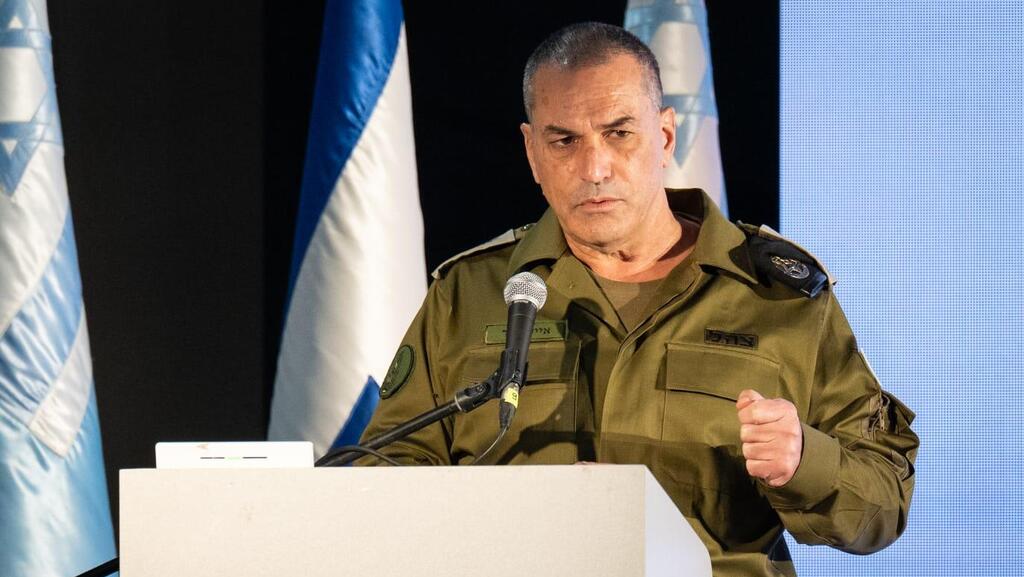
Will he respond to the appeal? IDF Chief of Staff Zamir
(Photo: IDF Spokesperson's Unit)
It also proposes assigning them to combat, technology, logistics, medical and combat support roles according to their qualifications and the military's operational needs.
"If the IDF is crying out over a manpower shortage, we cannot leave outside the recruitment offices young people who grew up here, speak Hebrew, see Israel as their home and want to wear the uniform," Warsha said. "This is a high-quality human resource that is already here. It is in Israel's national security interest."
Attorney Assaf Weitzen, the firm's managing partner, added: "The question is not whether the legal authority exists. The authority exists. The question is whether there is a willingness to use it. Especially during a national emergency, when the military is searching for every possible solution to increase the number of service members, the time has come to remove administrative barriers and allow these young people to enlist."
The letter concludes by emphasizing that enlisting these young people would not require granting them Israeli citizenship or changing their legal status. Rather, it argues, the government need only exercise an existing legal authority to provide an immediate response to Israel's security needs. According to the letter's authors, at a time when the IDF faces manpower shortages and is looking for rapid solutions, there is no justification for leaving thousands of willing volunteers outside the system.