


During his stay in Russia, the tourist purchased the item without realizing it could land him in trouble with law enforcement. Under European Union sanctions imposed on Russia, samovars are classified as restricted goods and are banned from entry into EU territory.
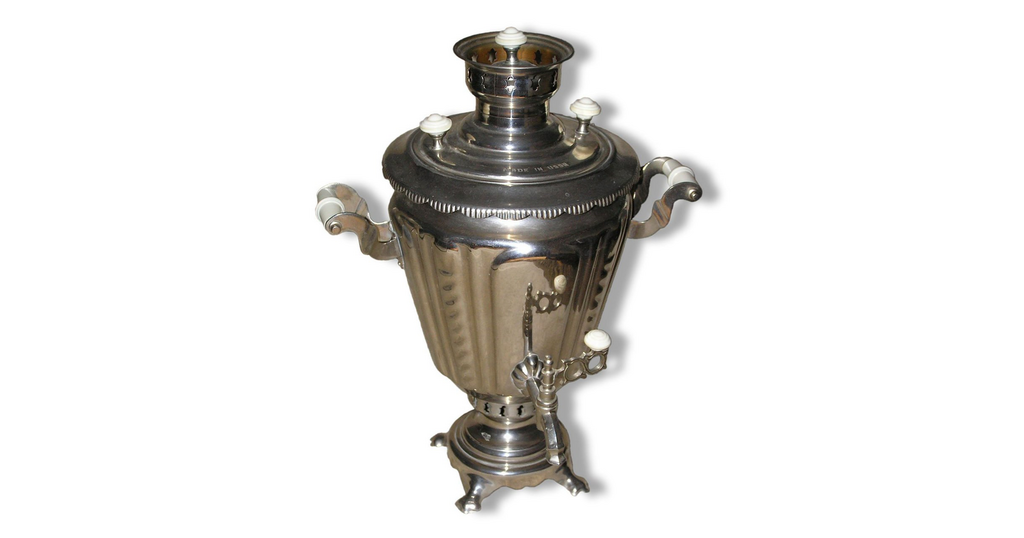
Estonian news site ERR, citing a report by the Estonian Tax and Customs Board, said the incident occurred on January 6 at the Narva border crossing, a city in northeastern Estonia. After passing through the “green channel,” customs officers inspected the traveler’s belongings and discovered the samovar.
“A sanctioned samovar was found in the passenger’s luggage,” customs officials said in an official statement.
Following Russia’s invasion of Ukraine, the European Union imposed sweeping sanctions aimed at weakening Moscow’s military, industrial and technological capabilities. These include bans on the import of weapons and military equipment, advanced electronics, chips and semiconductors, aviation and space equipment, aircraft spare parts, navigation and communications systems, as well as equipment used in oil and gas production.
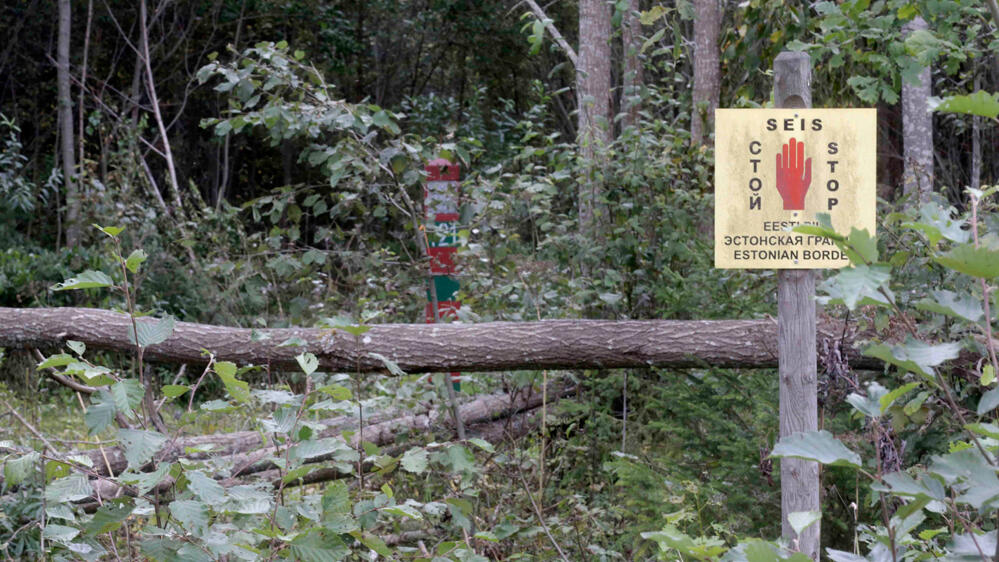
The Estonia-Russia border
(Photo: Reuters)
The EU has also prohibited imports of certain metals, chemicals and strategic raw materials as part of its effort to undermine Russia’s ability to finance the war.
Although the use of samovars has declined significantly since the advent of electricity, many households in Eastern Europe still own the tea urns, which are closely associated with Russian tea culture. Still, it appears that for the European Union, or at least for Estonian customs officials, a samovar is considered sanctioned Russian equipment subject to strict restrictions.