

U.S. Vice President JD Vance has been in contact with one of the most influential figures in Iran's hardline leadership, Mohsen Rezaei, secretary of the country's Supreme National Security Council and a close associate of Supreme Leader Mojtaba Khamenei, The Wall Street Journal reported Wednesday. According to U.S. officials, Vance sent Rezaei a letter aimed at restarting negotiations between Washington and Tehran, even as President Donald Trump continues to threaten renewed military action against Iran, potentially after next week's U.S. midterm elections.
One U.S. official said the letter was sent at Trump's direction and that the president was aware of the initiative. Vance is seeking to determine whether the United States and Iran can find sufficient common ground to persuade Trump not to order a resumption of the military campaign that began in late February.
Gallery
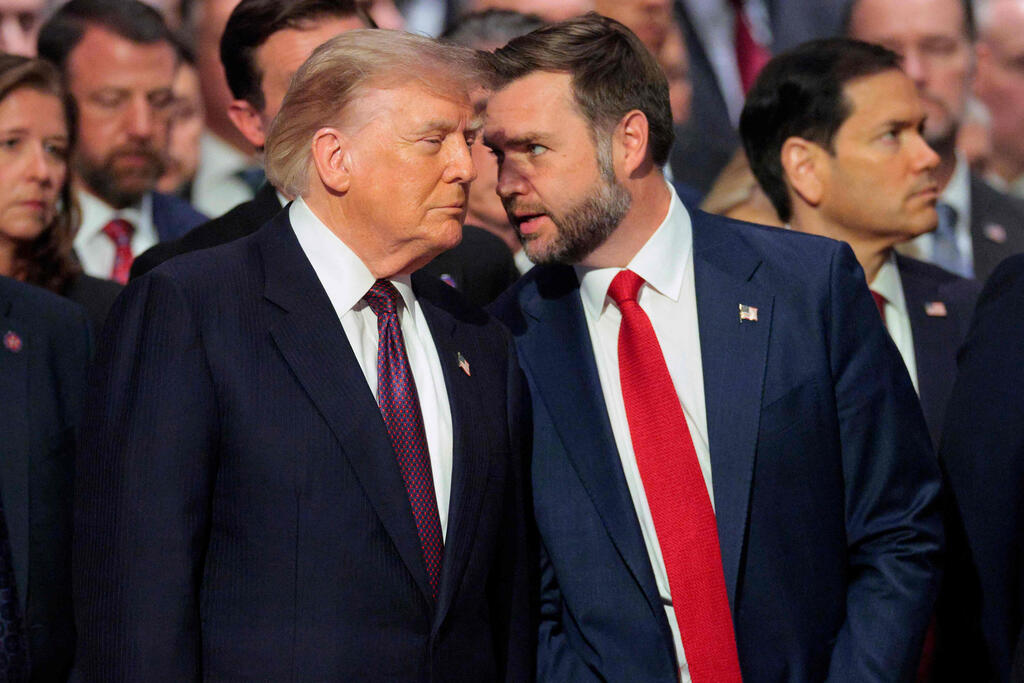
President Donald Trump and Vice President JD Vance
(Photo: CHIP SOMODEVILLA / GETTY IMAGES NORTH AMERICA / AFP)
Officials in the administration believe that engaging directly with Iran's hardline faction, of which Rezaei is a senior figure, could produce better diplomatic results. The report comes just a day after The Wall Street Journal revealed that Washington had urged several Gulf Arab states to prepare for a possible short but intense military campaign against Iran following the November 3 midterm elections.
Days earlier, Trump had declared that his administration was not negotiating with Tehran and hinted that further strikes could be imminent. "We're not negotiating with them. One way or another, something is going to happen, and it's going to happen soon," he said. According to the Journal, the warnings delivered to regional governments through diplomatic and military channels add to growing indications that the United States and Israel are preparing for another round of extensive military operations against Iran.
The report emerged around the same time that Prime Minister Benjamin Netanyahu addressed Likud supporters following Israel's election, opening his remarks with the Iranian issue.
A person familiar with the discussions told the Journal that Vance's letter and the subsequent exchanges between American and Iranian officials did not include specific terms for a new ceasefire proposal. Instead, the contacts focused on establishing a possible framework for resuming negotiations. Rezaei, however, declared last week that Iran would not negotiate with Washington until certain core demands had been met.
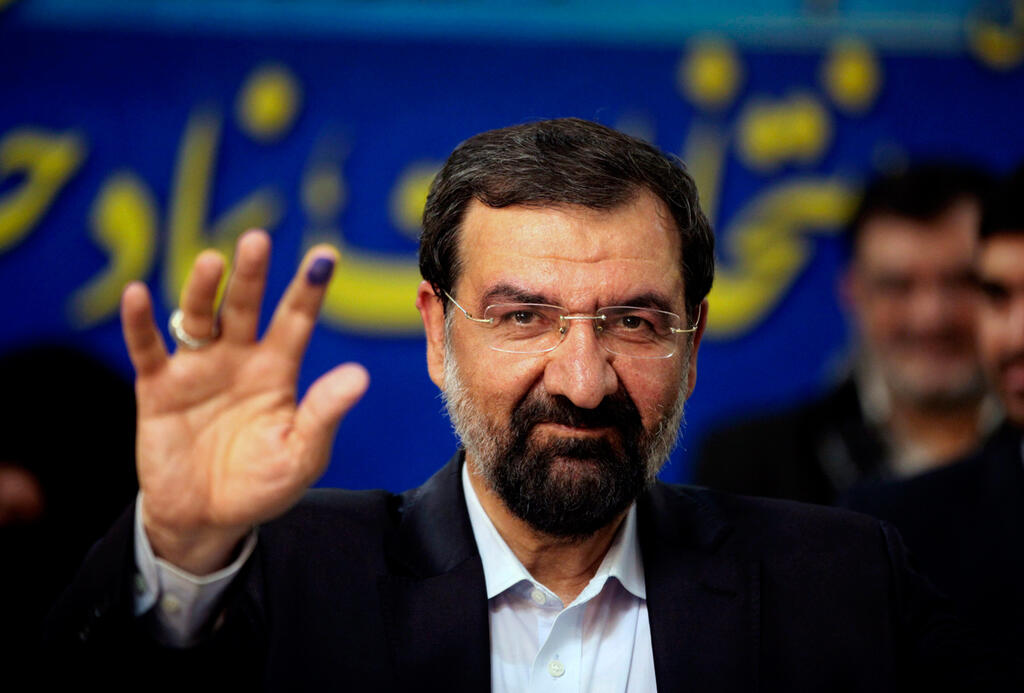
Mohsen Rezaei
(Photo: AP)
Although Vance has publicly supported the war against Iran, he has privately expressed reservations about prolonging the conflict. Even before Trump launched the military campaign alongside Israel eight months ago, Vance had advocated more intensive diplomatic efforts. Trump subsequently appointed him to lead the U.S. negotiating team, and the vice president traveled twice to meet Iranian officials in an effort to reach a final agreement that would ease tensions.
According to the Journal, Washington's decision to elevate Rezaei as a central interlocutor could sideline other senior Iranian officials, including Foreign Minister Abbas Araghchi and parliament speaker Mohammad Bagher Ghalibaf.
The reported outreach follows an unusual diplomatic meeting earlier this week in Tehran, where senior officials from Saudi Arabia, Turkey and Pakistan met Iranian representatives, including Rezaei, in an attempt to reduce regional tensions. The talks took place as Yemen's Houthi movement launched renewed attacks against Saudi Arabia and Egypt approved defensive assistance to Riyadh.
Reuters noted that the meeting marked the first high-level talks between Iran and the three countries. Iran has previously been mentioned as a possible future participant in the Mecca Pact, a mutual defense arrangement involving Saudi Arabia, Pakistan and Turkey under which an attack on one member is considered an attack on all three. The agreement's effectiveness has come under scrutiny following Houthi attacks on Riyadh.