

An Iranian official on Sunday warned that Tehran could move to restrict additional strategic waterways beyond the Strait of Hormuz if tensions persist, signaling a potential escalation in its economic pressure campaign.
Ali Akbar Velayati, an adviser to the Supreme Leader, said Iran and its “strategic partners” ensure security not only in Hormuz and the Strait of Malacca, but also in the Bab el-Mandeb, which he said is controlled by “our brothers” in Yemen’s Houthi movement.
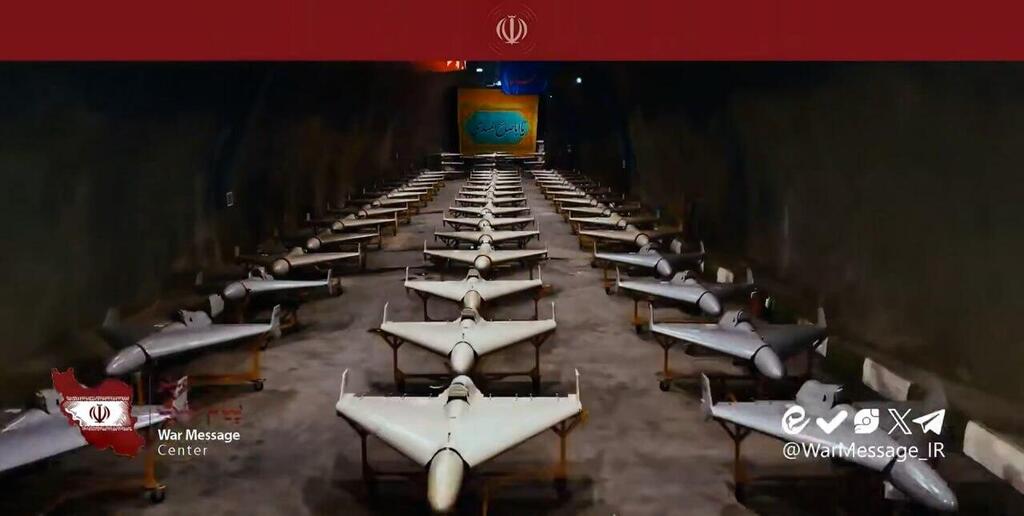
Footage of missile and drone stockpiles unveiled in Iran amid the ceasefire


“Any provocative step will be met with a graduated response,” Velayati said.
The Strait of Malacca, which connects the Indian Ocean to the South China Sea, is one of the world’s most critical shipping lanes, carrying a significant share of global trade.
Danny Citrinowicz, a former head of the Iran branch in Israeli military intelligence and now a researcher at the Institute for National Security Studies, said Iran is increasingly focused on economic warfare.
“They have fallen in love with the idea of an economic campaign,” he said. “The goal is to demonstrate to the international system that they can cause far more damage than they have so far.”
He noted that references to Malacca are likely intended as signaling rather than an immediate operational plan. “The idea is not that they are going to close the Strait of Malacca, but to frame it this way so people understand the price of continuing the campaign will be higher than it is now.”
Iran’s Tasnim news agency reported that Iranian forces on Sunday blocked two additional oil tankers from passing through the Strait of Hormuz, forcing them to turn back.
At the same time, Majid Mousavi, commander of the Islamic Revolutionary Guard Corps’ aerospace force, claimed Iran had used the ceasefire period to rebuild its missile and drone capabilities faster than its adversaries.
“Unlike Iran, the enemy has not been able to restore its ammunition,” he said, adding that Iran has accelerated the upgrading of its missile and drone launch platforms.
Iranian President Masoud Pezeshkian said Tehran does not seek to expand the conflict, emphasizing that Iran is acting in self-defense.
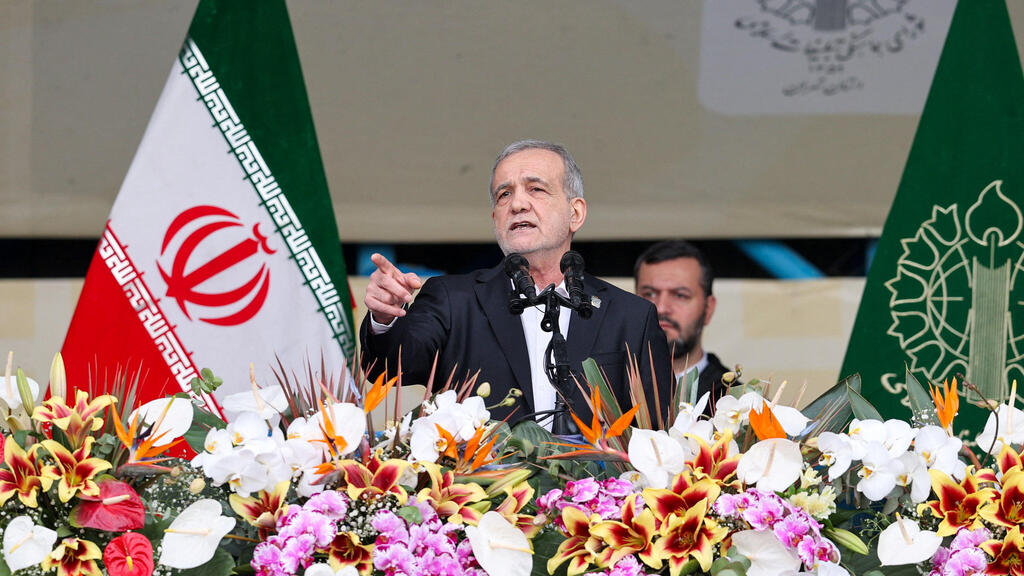
Iranian President Masoud Pezeshkian
(Photo: Majid Asgaripour/WANA (West Asia News Agency) via Reuters)
“We do not intend to attack any country,” he said. “Escalation can be addressed through dialogue and rationality while avoiding further destruction.”
An aide to the president warned separately that if Iran’s adversaries make further “mistakes,” new control measures could be imposed on additional maritime routes beyond Hormuz.
Parliament Speaker Mohammad Bagher Ghalibaf said Iran remains fully prepared to respond militarily if necessary, adding that while progress has been made in negotiations, significant gaps remain.