

Slovenia’s new Prime Minister Janez Janša met Monday with Samaria Regional Council head Yossi Dagan in Ljubljana, days after his government reversed a series of measures against Israel, including restrictions on imports from West Bank settlements and arms trade with Israel.
In a joint statement after the meeting, Janša said, “God bless the residents of Judea and Samaria.” Dagan replied, “We stand together, and we will win together.”
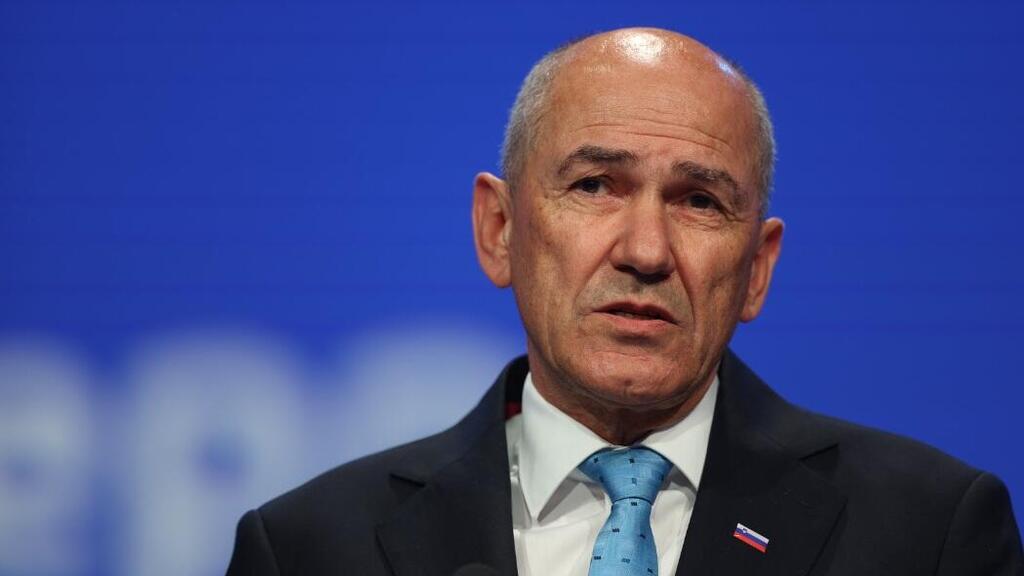
The meeting was described by Israeli officials as unprecedented, marking the first time a sitting prime minister from an EU member state held an official meeting with a representative of the West Bank settlements. It came shortly after Janša’s new government moved to reverse policies adopted by the previous Slovenian government, which had been among the most critical of Israel in Europe.
Until recently, Slovenia was considered one of Israel’s most hostile countries in the EU, alongside Spain and Ireland. In May last year, the previous Slovenian government formally recognized a Palestinian state. Later that summer, it imposed restrictions on imports from Jewish settlements in the West Bank and on arms trade with Israel, becoming the first European country to adopt such formal boycott measures.
Janša’s return to office now appears to signal a sharp change in Slovenia’s foreign policy toward Israel and the settlements. In a video released after the meeting, Janša used the terms “Judea and Samaria” rather than “West Bank,” language that Israeli settlement leaders hailed as a significant political statement.
Dagan thanked Janša during the meeting, saying, “Thank you very much for this important meeting. You should know that the entire people of Israel appreciates you, and especially the pioneers building Judea and Samaria. We stand together, we feel your heart and we share the same values. We have the same mission, and we are together to fulfill it. Blessings from all the people of Judea and Samaria, from all the people of Israel. We hope for your success, and we will do this together.”
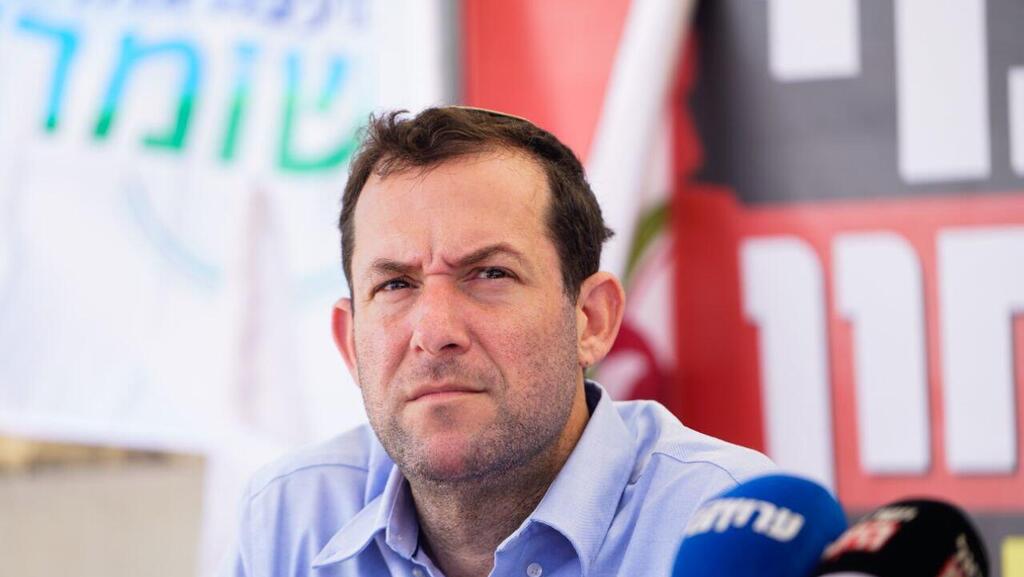
Samaria Regional Council head Yossi Dagan
(צילום: שלו שלום)
Dagan has led efforts over the past two years to counter EU sanctions against Israel and Israeli officials. As part of that campaign, he previously met several times with Hungarian officials, including during the tenure of former Hungarian Prime Minister Viktor Orbán, an ally of Israel. He met twice with Hungarian Foreign Minister Péter Szijjártó and more than four times with Hungary’s EU affairs minister, János Bóka, as well as other senior officials in the Hungarian government.
Political officials said Dagan has extensive ties with senior figures in European parliaments and governments. After focusing efforts on Hungary, he has sought to build support in other European countries, including through tours in Samaria and meetings abroad. Officials said his goal is to oppose sanctions, promote European and American recognition of Jerusalem and the settlements, and prevent broader recognition of a Palestinian state.
Meanwhile, Reuters reported that the European Union will not impose sanctions at this stage on National Security Minister Itamar Ben-Gvir, after EU foreign ministers failed to reach consensus on the move.
EU foreign policy chief Kaja Kallas said many countries supported sanctions against Ben-Gvir, but unanimity was not achieved.
The proposed move came after a video posted by Ben-Gvir from a detention facility holding participants in last month’s Gaza flotilla, where he was accused of mocking and humiliating detainees. French and Italian authorities announced last week that they had opened an investigation against Ben-Gvir over the flotilla incident, with allegations under review including torture and war crimes.