

Several European countries, including Spain and Ireland, pushed Tuesday to suspend an agreement governing EU ties with Israel, but failed to secure enough support from other member states.
Speaking ahead of a meeting of EU foreign ministers in Luxembourg, Spain’s Foreign Minister José Manuel Albares said “Europe’s credibility is at stake” and called for discussions on suspending the EU-Israel Association Agreement, which has been in force since 2000.
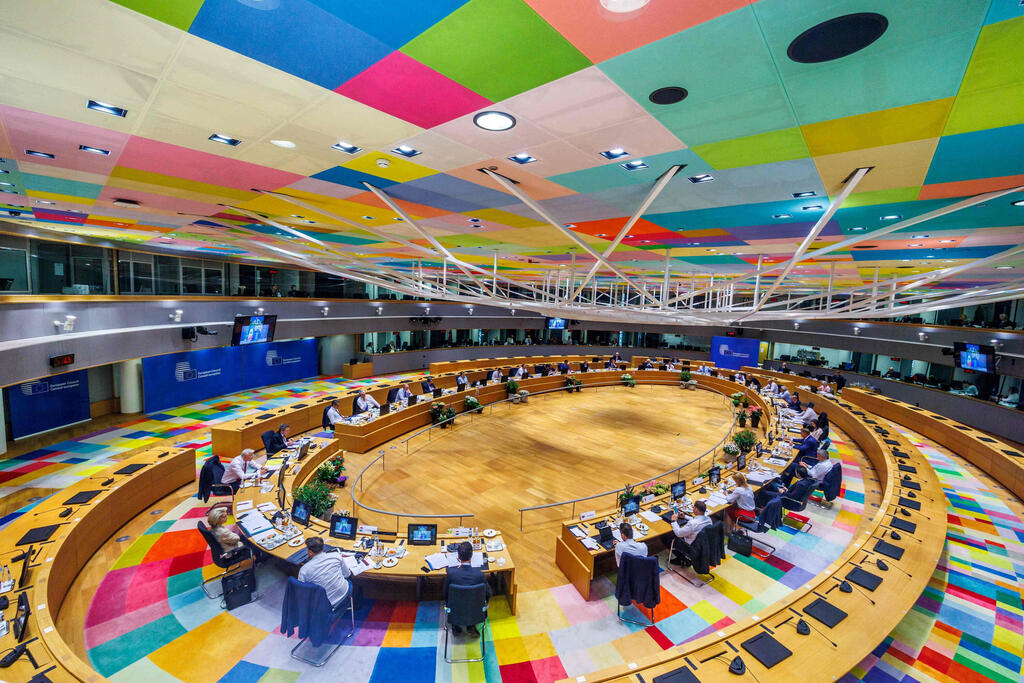
(Photo: AFP)
The push comes amid concerns raised by some countries over settlement activity in the West Bank, the humanitarian situation in Gaza and proposed legislation related to the death penalty.
However, EU foreign policy chief Kaja Kallas said there was insufficient backing among member states to suspend the agreement.
“I didn’t see a shift in positions in the room regarding suspension,” she told reporters after the meeting, adding that discussions on EU-Israel relations would continue.
Suspending parts of the agreement would require a qualified majority of 15 out of 27 member states representing at least 65% of the EU population, while a full suspension would require unanimous approval.
Germany and Italy signaled opposition to such moves. German Foreign Minister Johann Wadephul said Berlin supports efforts toward a two-state solution but emphasized the need for “critical, constructive dialogue” with Israel.
Ministers from countries including Ireland and Belgium called for changes in EU policy, though Belgium acknowledged that a full suspension was unlikely given divisions within the bloc.
The European Commission previously proposed suspending certain trade-related provisions of the agreement, affecting about 5.8 billion euros ($6.2 billion) in Israeli exports. Israel rejected the proposal at the time, calling it “morally and politically distorted.”
The European Union is Israel’s largest trading partner, with goods trade totaling 42.6 billion euros ($45.6 billion) in 2024.
The EU is also considering sanctions targeting violent settlers and Israeli officials it views as extremist, though such measures would require unanimous approval. Diplomats say action on sanctions against settlers could advance after a new Hungarian government takes office in May.
Separately, Sweden and France circulated a proposal ahead of the meeting calling for stronger steps to limit commercial activity linked to settlements.